A commercial car charging stations business is more than just installing a few boxes in a parking lot. It is a long-term infrastructure investment. You need to plan carefully to make money. This guide walks you through the key steps: choosing a business model, selecting hardware, understanding costs, and managing operations.
The demand for commercial car charging stations is growing fast. More electric vehicles on the road mean more need for public charging. Businesses like hotels, retail centers, and office buildings are adding chargers. They want to attract customers and generate new income. But profitability does not happen by accident. It requires the right location, the right equipment, and smart cost control.
Step 1: Choose Your Business Model
Before buying any equipment, decide how your commercial car charging stations business will make money. There are three common models:
- Owner-Operator Model – You own the chargers and lease the parking space. You keep 100% of the charging revenue. You pay for electricity, maintenance, and software fees.
- Site Host Model – You own the property. You partner with a charging network operator. They install and manage the chargers. You get a share of the revenue and benefit from increased customer traffic.
- Charging-as-a-Service (CaaS) – You pay a monthly fee to a provider. They handle installation, maintenance, and upgrades. This reduces your upfront costs. It is popular for fleet operators.
Each model has different risks and rewards. The owner-operator model gives you full control but requires more capital. The site host model is lower risk but shares revenue.
Step 2: Select the Right Charging Hardware: AC&DC Fast Chargers
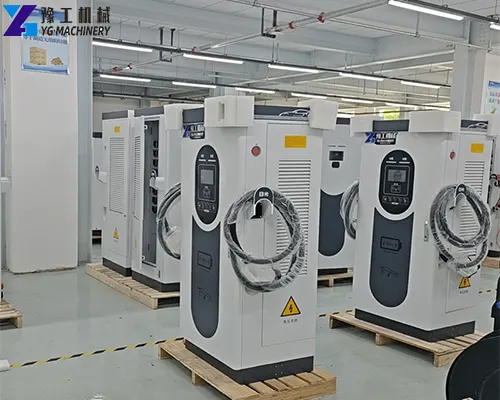
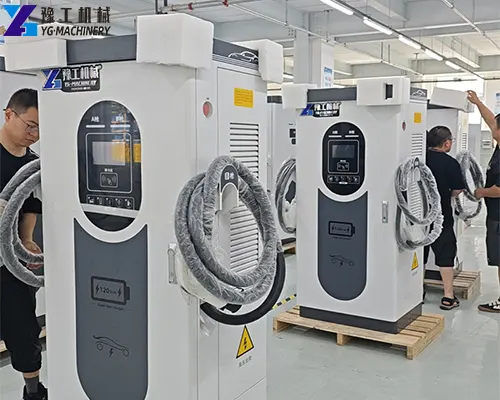
Choosing the right hardware is critical for your commercial car charging stations business. The two main types are AC Level 2 and DC Fast Chargers.
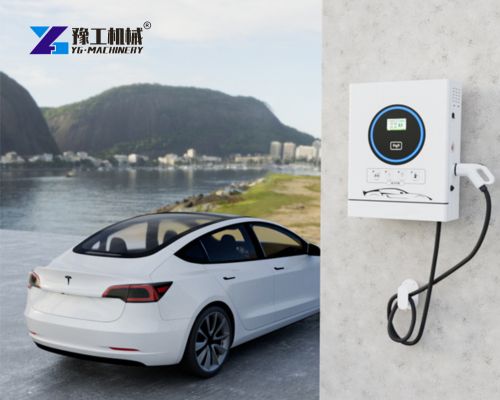
YG AC Level 2 Chargers
| Input Voltage | AC220V/380V (Single/3-Phase) | AC380V±15% (3-Phase) | AC380V±15% (3-Phase) |
| Output Power | 7kW – 22kW | 20kW – 350kW | 480kW / 720kW |
| Gun Quantity | Single/Double Guns | 1 / 2 / 3 Guns | 8 / 12 Guns |
| Output Voltage | AC (Dependent on Input) | DC 200V – 1000V | DC 200V – 750V/1000V |
| Payment Mode | RFID / QR Code | RFID / APP / Swipe Card | Wechat / Alipay / Cloud Payment |
| Certification | CE Certified | Quality & Safety Certified | Latest National Standards |
- Power: 7kW to 22kW
- Charging speed: 10-40 miles of range per hour
- Best for: Workplaces, hotels, apartments (vehicles parked 4-8 hours)
- Hardware cost: $1,000 – $4,000 per unit
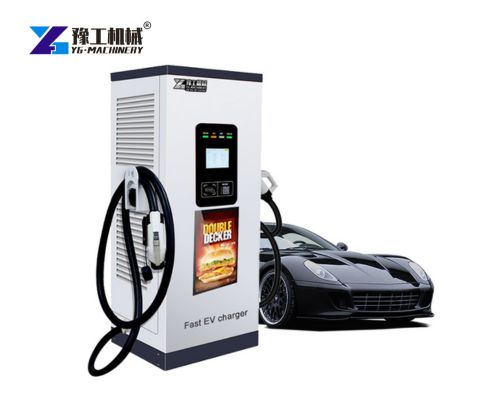
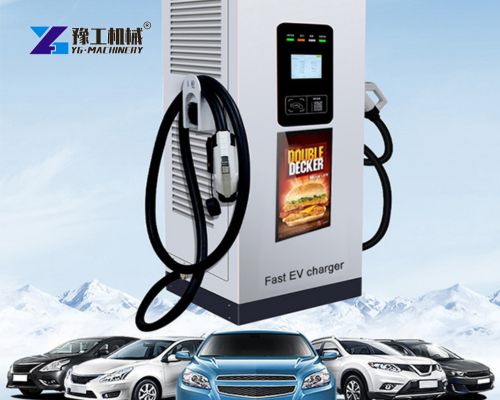
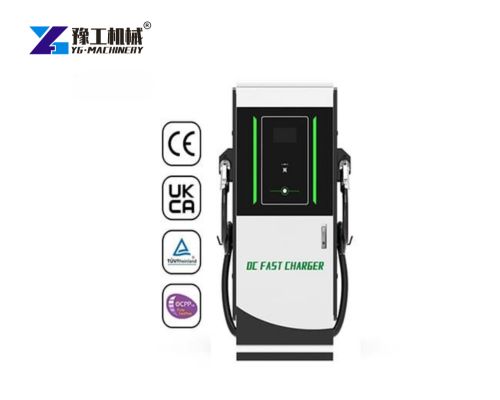
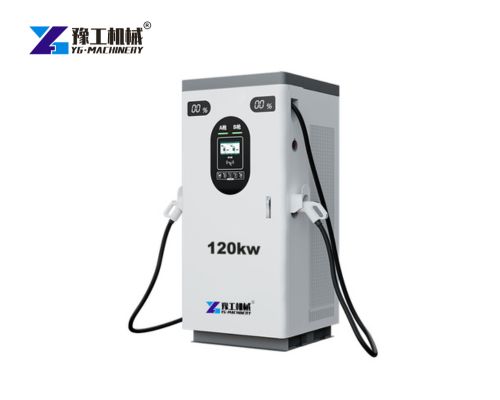
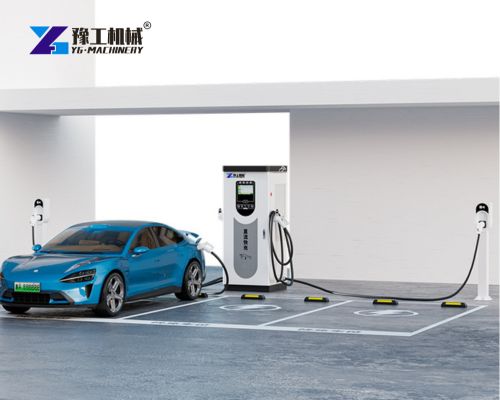
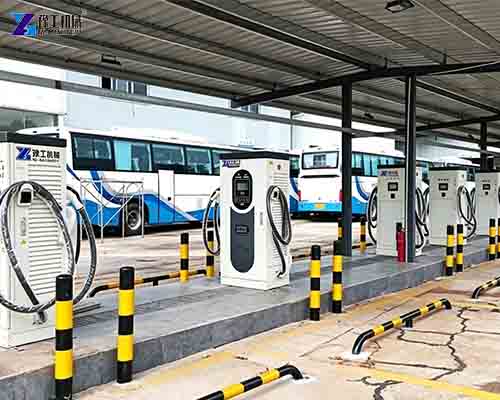
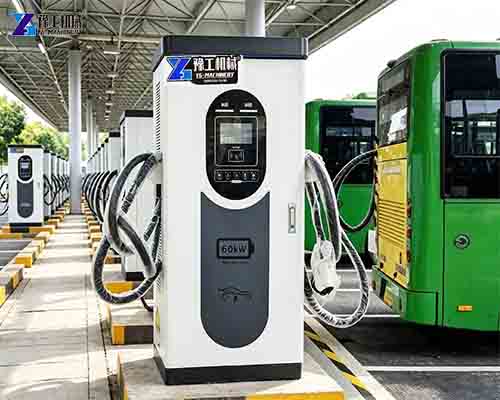
YG DC Fast Chargers (DCFC)
| Rated Power | 60kw | 80kw | 120kw | 160kw |
| Maximum Output Current | 160A | 180A | 240A | 240A |
| Constant Power Voltage Range | DC300~1000V | DC300~1000V | DC300~1000V | DC300~1000V |
| Host Computer Communication | Ethernet/4G | Ethernet/4G | Ethernet/4G | Ethernet/4G |
| Input Voltage | AC380V±15% | AC380V±15% | AC380V±15% | AC380V±15% |
| Input Frequency | 50Hz±10% | 50Hz±10% | 50Hz±10% | 50Hz±10% |
| Output Voltage Range | DC200-1000V | DC200-1000V | DC200-1000V | DC200-1000V |
| Protection Class | IP54 | IP54 | IP54 | IP54 |
| Installation Method | Floor-standing | Floor-standing | Floor-standing | Floor-standing |
- Power: 60kW to 350kW
- Charging speed: 100-300+ miles in 20 minutes
- Best for: Retail, highways, fleets (vehicles parked 15-45 minutes)
- Hardware cost: $20,000 – $100,000+ per unit
The key is matching the charger type to driver dwell time. Installing expensive fast chargers where people park for hours is a waste of capital. Installing slow chargers on a highway will frustrate customers and reduce revenue.
Hardware reliability is also important. A broken charger generates no revenue and hurts your reputation. Choose equipment with good build quality and remote diagnostics.
Step 3: Understand the Total Cost
The commercial charging station cost includes more than just the hardware. Here is a breakdown:
Capital Expenditure (CapEx)
- Hardware: The chargers themselves
- Installation: Labor, trenching, concrete pads, wiring
- Permits and fees: Local municipality charges
- Grid upgrades: New transformers or panels if needed
A 150kW DC fast charger costs about $84,300 for hardware and $69,900 for installation . A full commercial station can range from $30,000 to over $150,000 per unit .
Operational Expenditure (OpEx)
- Electricity: The largest and most variable cost
- Software and networking fees: $200 – $500 per year per charger
- Maintenance: Typically 8% of hardware cost per year
- Credit card transaction fees: About 2.5% of sales
The biggest hidden cost is the utility demand charge. This is a penalty based on your highest peak power use in a billing period. A 15-minute spike from multiple cars charging at once can wipe out your monthly profit.
Step 4: Site Selection and Grid Capacity
Location is everything for a commercial car charging stations business. Two factors matter most: visibility and power.
Visibility and Accessibility
Place chargers near main roads and amenities. Drivers need to see them. Hidden chargers get low usage. Visibility is free marketing. Proximity to restrooms, coffee shops, or retail stores increases customer spending while they charge .
Electrical Capacity
This is often the biggest technical hurdle. Check with your local utility early. Determine if your site has enough power. If not, grid upgrades can cost $100,000 or more.
ADA Compliance
In the US, you must follow ADA rules. This means accessible parking spaces, flat ground, and proper charger height. Non-compliance can lead to legal trouble .
Future-Proofing
Install extra conduit for future expansion. It is cheaper to dig once than to dig again later.
Step 5: Make Your Station Profitable
Profitability depends on utilization rate. This is the percentage of time a charger is actively in use. Most stations need 15-30% utilization to break even . Low utilization makes your payback period much longer. High utilization shortens it .
Ways to Boost Profitability
- Smart Pricing – Charge per kWh or per minute. Use dynamic pricing to encourage off-peak charging. This helps avoid demand charges.
- Idle Fees – Charge a fee if a car stays plugged in after charging finishes. This frees up the charger for the next customer.
- Retail Partnerships – Locate chargers near stores or restaurants. Drivers spend money while charging. This indirect revenue can be larger than the electricity profit.
- Advertising – Some chargers have digital screens. You can sell ad space to local businesses.
Typical Payback Periods
These are estimates. Actual returns depend on local electricity costs, utilization, and incentives.
Step 6: Apply for Incentives
Government programs can reduce your commercial charging station cost by 30-80%. In the US, the NEVI program provides federal funding. Many states offer rebates. Utilities also have programs to support charging infrastructure.
Research available incentives before you start. Application processes can be complex. But the savings are worth the effort.
Step 7: Manage Operations and Software
A good software platform is essential. It handles payments, user access, and remote monitoring. Key features include:
- Dynamic Load Balancing – Automatically distributes power across chargers. Prevents grid overloads and reduces demand charges .
- Payment Gateways – Accept credit cards, RFID cards, and mobile app payments .
- Remote Diagnostics – Identify and fix problems without a site visit. Reduces maintenance costs .
Open Charge Point Protocol (OCPP) compliance is important. It allows your chargers to work with different software providers. This prevents vendor lock-in.
Frequently Asked Questions
1. How much does it cost to start a commercial car charging stations business?
Total commercial charging station cost ranges from $30,000 to over $150,000 per unit. This includes hardware, installation, and permits. DC fast chargers are much more expensive than Level 2 chargers. Grid upgrades can add significant costs if your site lacks sufficient power .
2. How profitable is an EV charging station?
Profitability depends on utilization. Most stations need 15-30% usage to break even. With good location and pricing, Level 2 chargers pay back in 2-4 years. DC fast chargers take 4-7 years . A station with low usage can lose money due to fixed costs.
3. What is the biggest cost in running a charging station?
Electricity is the biggest ongoing cost. The utility demand charge is the biggest hidden cost. This penalty is based on your highest peak power use. A sudden spike from several cars charging at once can cause thousands of dollars in fees .
4. Do I need special permits to install a commercial charging station?
Yes. You typically need electrical and building permits from your local municipality. All work must be done by licensed contractors. In the US, you must also comply with ADA accessibility rules .
5. How long does it take to install a commercial charging station?
Installation can take a few weeks to several months. The permitting process is often the longest part. Site work like trenching and electrical upgrades also takes time. A competent turnkey partner can manage the process and reduce delays.