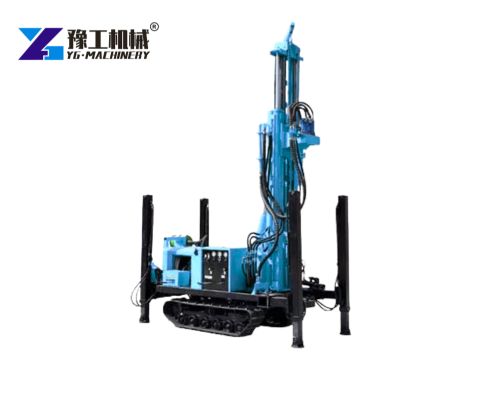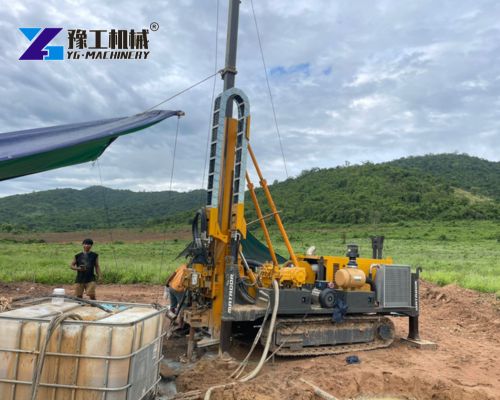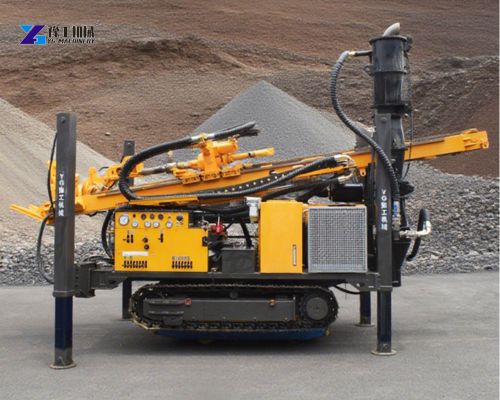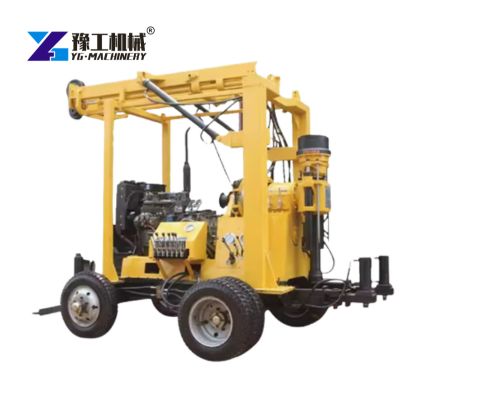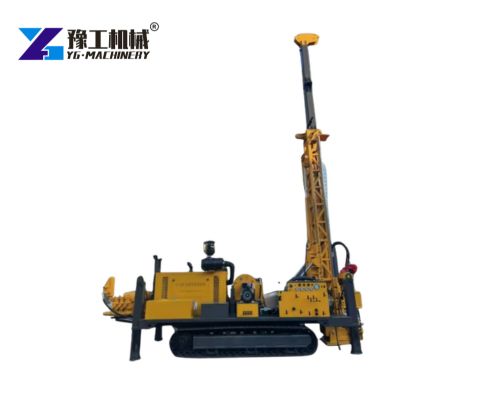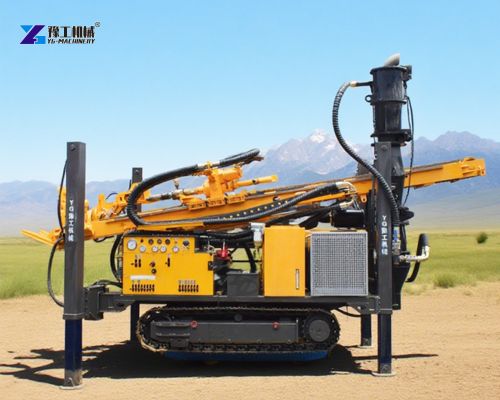
An NQ core drilling rig is a professional hydraulic drilling machine made for geological exploration, mineral detection and engineering rock sampling. This equipment uses diamond drill bits and wireline coring technology, and it is widely used for medium-deep hole drilling projects all over the world. As one reliable type of hydraulic core drilling machine, it focuses on collecting complete rock core samples from underground strata.
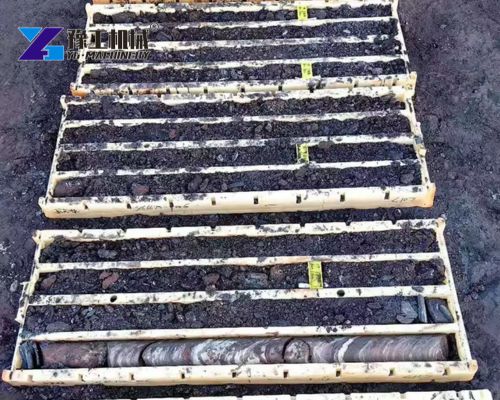
The international standard defines NQ core clearly. The core diameter collected by this rig is 47.6 mm, while the matching drill pipe diameter is 71 mm and the drill hole diameter reaches 75.5 mm. YG models typical working depth ranges from 400 meters to 1000 meters, which makes it perfect for medium and deep exploration tasks. Different from small drilling machines, this rig keeps core samples intact and clean, so workers can get accurate data for geological analysis and mineral evaluation.
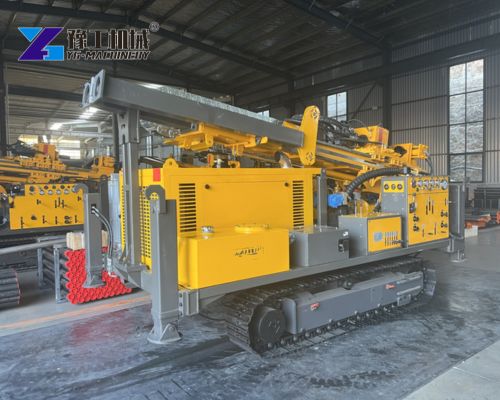
Full Hydraulic Core Drilling Rig Parameter
| Model | YGX-400 | YGX-600 | YGX-800 | YGX-1000 |
| Drilling Depth(M) | 180-400-500 | 200-600-650 | 400-800-1000 | 500-1000-1100 |
| Rated pressure(MPA) | 21 | 21 | 25 | 28 |
| Rated Flow(L/min) | 168 | 192 | 260 | 300 |
| Heat Dissipation Mode | Air cooling+water cooling | |||
| Engine Brand | Yuchai | Yuchai | Yuchai | Cummins |
| Rated power/speed | 78kW/ 2400r/min | 92kW/ 2400r/min | 92kW/ 2400r/min | 154kW/2400r/min |
| Drilling Angle(°) | 0-90 | 45-90 | 45-90 | 45-90 |
| Lifting Force(T) | 12 | 16 | 24 | 30 |
| Feed Force(T) | 6 | 8 | 12 | 15 |
| Hydraulic Mud pump flow | 30-90(L/min) | 30-90(L/min) | 90-180(L/min) | 90-180(L/min) |
| Hydraulic Mud pump power | 4-7(MPA) | 4-7(MPA) | 4-7(MPA) | 4-7(MPA) |
| Dimension | 4000*1900*1800mm | 4000*2000*1800mm | 5500*2100*2000mm | 6000*2200*2400mm |
| Weight | 4.3T | 4.5/5.5T | 6.5T | 7.5T |
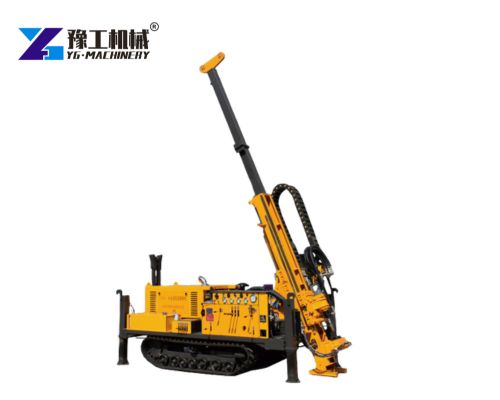
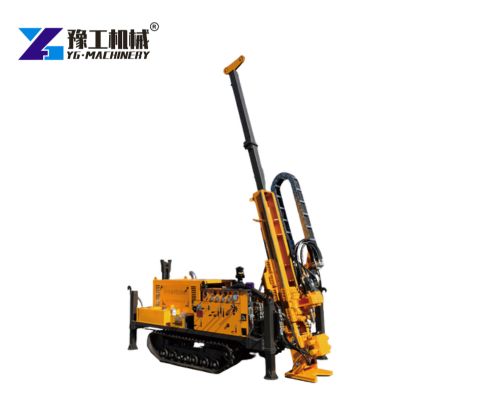
Working Principle Of NQ Diamond Core Drill Rig
The NQ Core Drilling Rig runs with two main working principles: rotary cutting and wireline coring. The whole working process is simple to learn, and operators can master it after short training. We divide the working steps into two main parts for clear understanding:
Rotary Cutting Process
The diesel engine provides power. The power drives the rotary head to spin fast. The rotary head connects with drill pipes and diamond drill bits, so the whole set rotates together to cut underground rock. The diamond on the drill bit is super hard, so it can break hard rock efficiently. At the same time, the hydraulic mud pump sends mud to the drill bit. The mud has three uses: cool the hot drill bit, take away small rock pieces, and keep the borehole wall firm to avoid collapse. The mixed mud and rock cuttings flow back to the ground through the gap between drill pipe and borehole wall. This cycle runs non-stop during normal drilling.
Wireline Coring Process
When the core barrel is full of rock samples, workers do not need to pull out all drill pipes. This is the biggest advantage of wireline coring. The operator uses a winch to put down a steel cable with a grabbing device into the drill pipe. The grabbing device locks the core barrel tightly when it reaches the bottom. Then the winch pulls the cable and the full core barrel back to the ground. Workers take out the rock core samples, and send the empty core barrel back down through the cable. The drilling work restarts right away.
This non-stop working style saves lots of time. It greatly improves work efficiency, especially for deep hole drilling projects.
NQ Diamond Core Drill Rig Applications
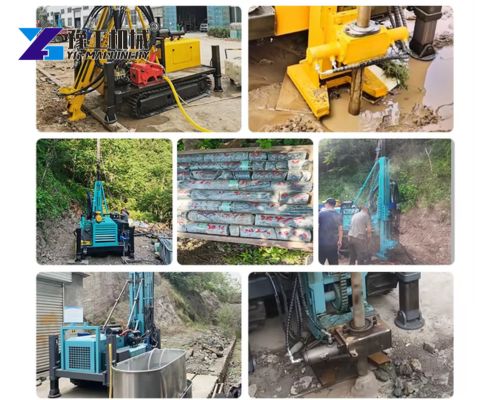
The NQ Core Drilling Rig has wide use in many industries. Its stable performance and flexible design make it fit different outdoor working conditions. The main application fields are as follows:
- Mineral Resource Exploration: It collects rock core samples from underground mines. Workers analyze the samples to judge mineral types and reserves. This is the most common use of NQ core drilling rig.
- Geological Survey: National or regional geological teams use this rig to study underground strata. The data helps draw geological maps and carry out land planning.
- Engineering Construction: Before building roads, bridges, dams and buildings, workers drill holes to check underground rock condition. It ensures the safety of large construction projects.
- Water Resource Detection: In mountain areas or dry lands, the rig drills deep holes to find underground water layers, supporting water supply projects.
No matter flat land, mountain area or remote field, this rig can work normally. Its modular structure makes transport easy in rough roads, and dual cooling system adapts to high-temperature outdoor environments. For small teams and large engineering companies, it is always a practical drilling solution.
Differences Between NQ, PQ, HQ And BQ Core Drilling Specifications
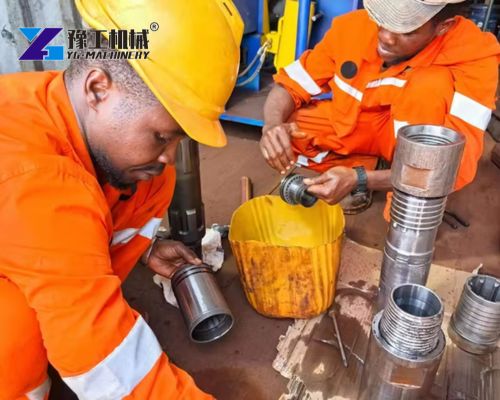
Many new workers in this industry mix up NQ, PQ, HQ and BQ. These four names are complete international standards for wireline coring tools, not just different pipe thickness. We list clear data to show their differences, so you can choose the right rig according to your project needs.
| PQ | 122.6mm | 114.3mm | 85mm | 300-500m |
| HQ | 96mm | 89mm | 63.5mm | 500-800m |
| NQ | 75.5mm | 71mm | 47.6mm | 700-1000m |
| BQ | 60mm | 55.6mm | 36.5mm | 800-1200m |
From the table, we can see clear rules. PQ collects the largest core and works for shallow to medium depth. BQ has the smallest core and fits the deepest drilling. YG NQ core drilling rig sits in the middle, perfect for most medium-deep exploration projects. If your project needs standard-sized core samples within 1000 meters, NQ is the most cost-effective choice.
Another common question is whether NQ and HQ rigs can share one main unit. The answer is yes. Our full hydraulic core drilling rig has a large through-hole on the power head. It can match both NQ and HQ drill bits. Workers only need to change chuck, gripper and drill rod. With our quick-change system, the whole switch work only takes 30 minutes. This function greatly cuts equipment investment for users.