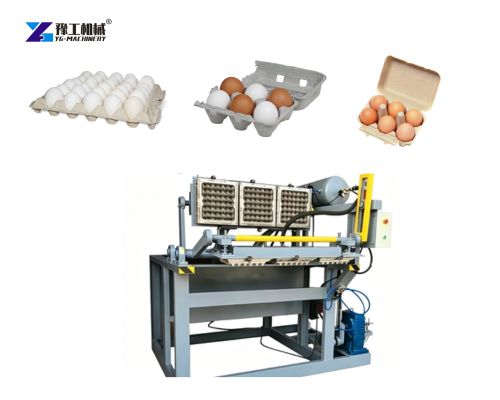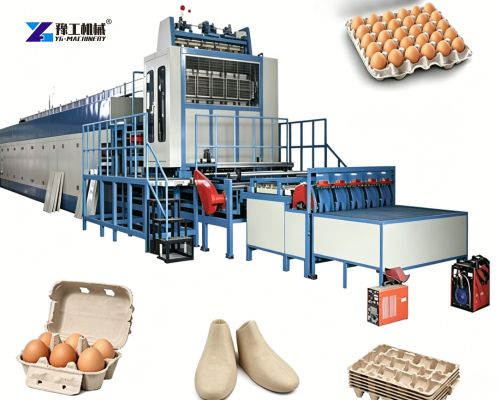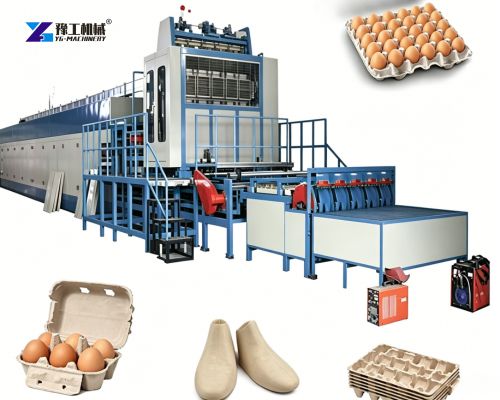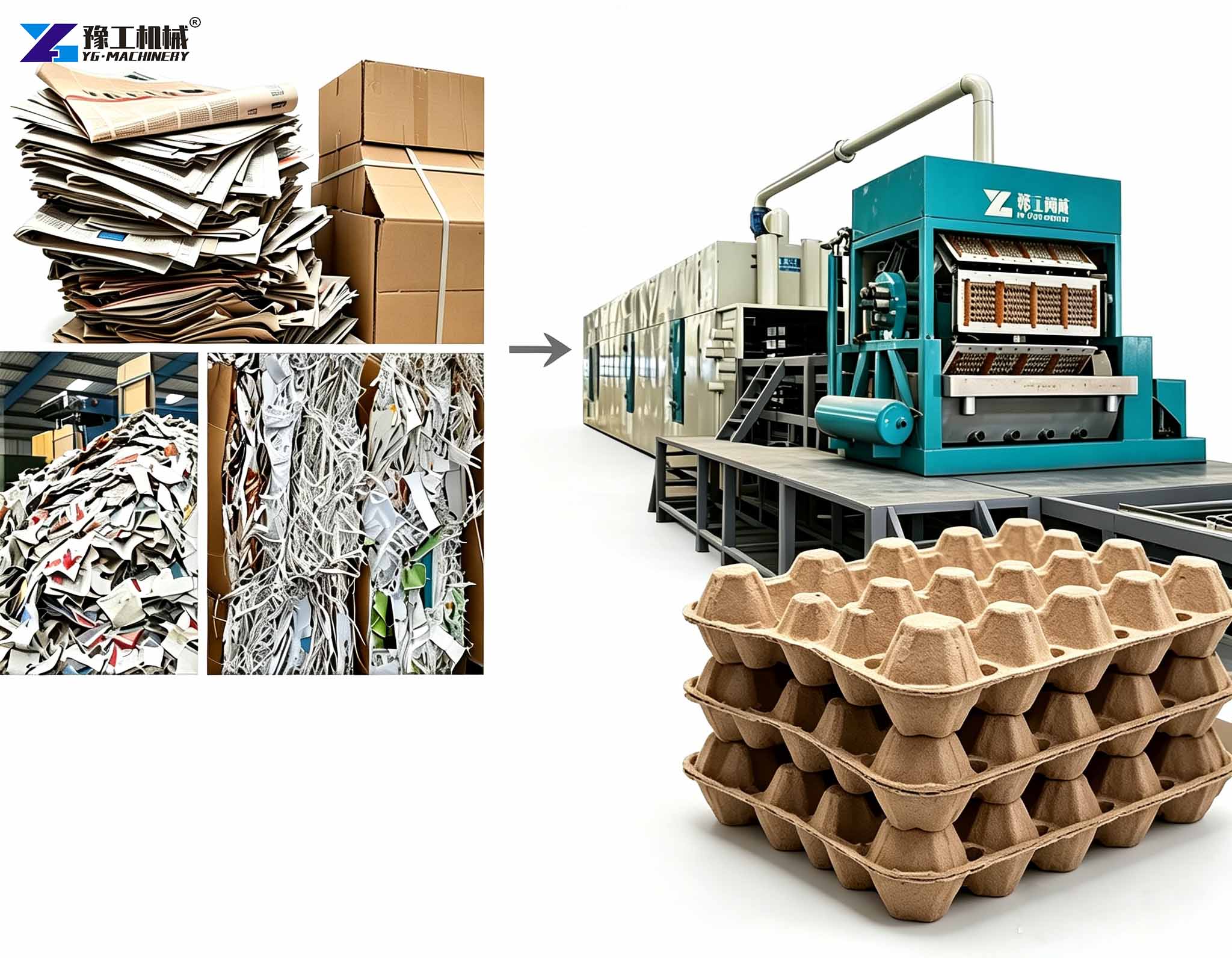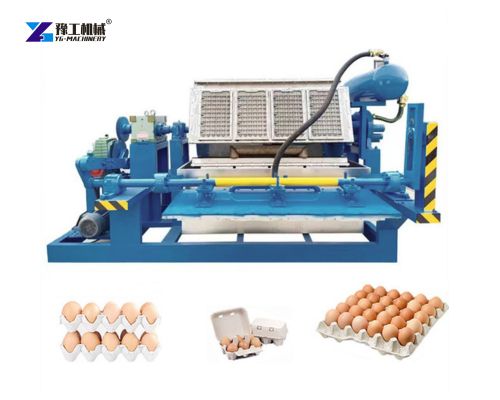
An egg tray molding machine is equipment that turns waste paper into molded pulp trays. It mixes waste paper with water to make pulp. Then it uses molds and vacuum to shape the pulp into trays. This machine is commonly used for making egg trays, egg cartons, fruit trays, and industrial packaging. It helps recycle waste paper and create useful products. If you are looking for a reliable paper egg tray machine, contact YG for more product information.
Get Egg Tray Molding Machine Price
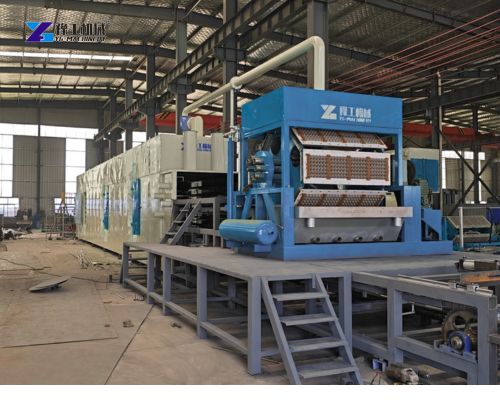
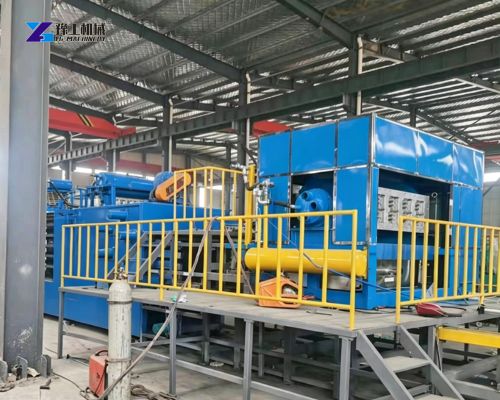
YG Egg Tray Making Machine Model
Our YG series offers 7 models. The egg tray making machine price varies based on capacity. Here is the complete price range for each model:
| Model | YG-1000-3X1 | YG-1500-4X1 | YG-2500-3X4 | YG-3000-4X4 | YG-4000-4X8 | YG-5000-5X8 | YG-7000-6X8 |
| Capacity/hour | 1000pcs/h | 1500pcs/h | 2500pcs/h | 3000pcs/h | 4000pcs/h | 5000pcs/h | 7000pcs/h |
| Power/hour | 38kw | 38kw | 55kw | 60kw | 95kw | 95kw | 120kw |
| Voltage | 380V50Hz | 380V50Hz | 380V50Hz | 380V50Hz | 380V50Hz | 380V50Hz | 380V50Hz |
| Weight | 2500kg | 3000kg | 4000kg | 4800kg | 7000kg | 8000kg | 10000kg |
| Dimensions (main machine) | 2600*2200*1900mm | 2800*2200*1900mm | 2900*1800*1800mm | 3250*1800*1800mm | 3250*2300*2500mm | 3700*2300*2500mm | 3200*2300*2500mm |
| Paper consumption/hour | 80kg | 120kg | 200kg | 240kg | 320kg | 400kg | 480kg |
| Water consumption/hour | 160kg | 240kg | 400kg | 480kg | 640kg | 800kg | 960kg |
| Drying | Dry naturally | Dry naturally | Multi-layer drying | Multi-layer drying |
Get Egg Tray Molding Machine Price
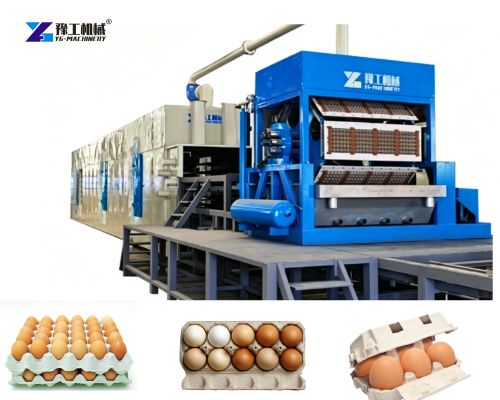
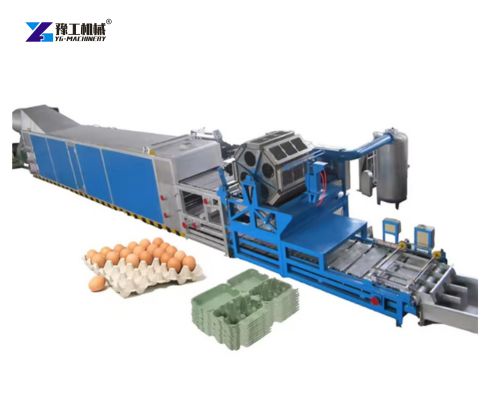
How the Machine Works
The working principle of an egg tray molding machine has four main stages. Each stage is important for making quality trays.
Pulping System
First, you put waste paper into the pulper. Add water and stir for a long time. The paper breaks down into pulp. Then the pulp goes through a refiner to make it smooth and even. You can add waterproof agents to improve product quality. The pulp is stored in a tank for the next stage.
Forming System
The pulp is pumped into the forming machine. The mold is dipped into the pulp. Vacuum suction pulls the pulp onto the mold surface. Water is drawn away through the vacuum system. The wet tray takes shape on the mold. A transfer mold then moves the wet tray to the drying line .
Drying System
The wet trays need to dry. There are several drying options:
- Natural sun drying: good for small production and sunny areas
- Brick dryer: uses coal, gas, or diesel for heat
- Metal dryer: single or multi-layer for automatic production
Multi-layer dryers save floor space and dry trays faster. Most automatic paper egg tray machines use metal dryers with conveyor belts.
Packing System
After drying, the trays are counted automatically. A presser compresses them to a certain height. This makes them easy to stack and transport.
Common Products You Can Make
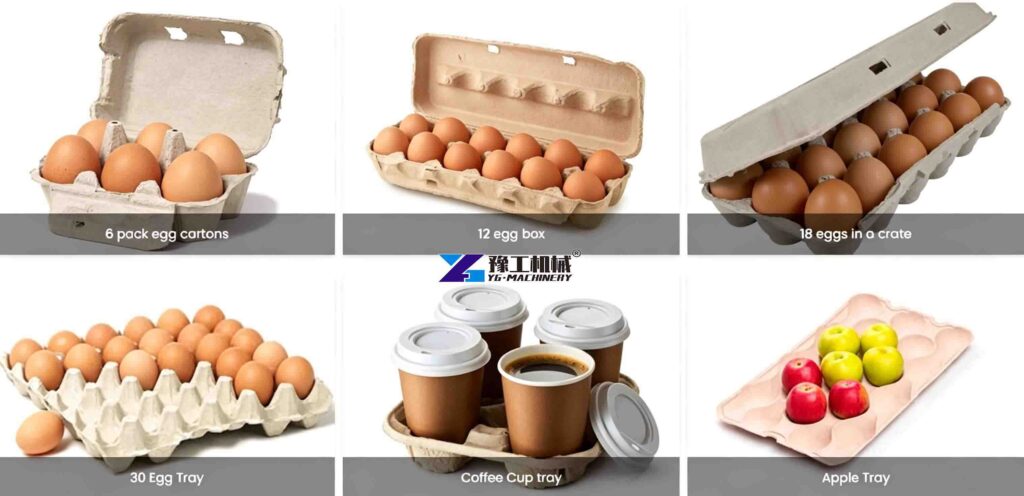
An egg tray molding machine is versatile. By changing the molds, you can produce different products:
Egg Trays
The most common product. Holds eggs safely during transport. Available in 10, 12, 15, 18, 30, and 36-cell sizes. Standard models use 30-cell egg trays as the base design .
Egg Cartons
Closed containers for eggs. More protection than open trays. Needs extra equipment like hot press machines for finishing .
Fruit Trays
Used for apples, pears, and other fruits. Prevents bruising during transport.
Industrial Packaging
Trays for electronic parts, bottle trays, and shoe trays. Custom molds can make many shapes.
Agricultural Trays
Seedling cups and plant pots. Biodegradable and good for the environment.
The same machine can produce multiple products with different molds . This flexibility makes the tray making machine a smart investment.
Choosing the Right Machine for Your Business
When looking for a tray making machine, consider these important factors:
Production Capacity
How many trays do you need per day? Small farms may need only 1000-1500 pieces per hour. Large factories need 5000-8000 pieces per hour. Choose a model that matches your sales volume.
Drying Method
Natural drying costs less but needs space and good weather. Brick dryers cost more but work in any weather. Metal dryers are fully automatic and save labor. Consider your local climate and budget.
Raw Material Availability
The machine uses waste paper like cardboard, old newspapers, and paper mill waste . Check if you have reliable sources nearby. Material cost affects your profit margin.
Workshop Space
The production line needs space for pulping, forming, drying, and storage. A 4000-piece/hour line needs about 100-140 square meters . Plan your workshop size before ordering.
Budget and ROI
Smaller machines cost less but produce less. Larger machines have higher upfront cost but lower cost per tray. Calculate how many trays you need to sell to recover the investment.

Operating Cost Breakdown
Understanding costs helps you plan your business. Here is a typical cost breakdown for a paper egg tray machine:
Raw Material Cost
Waste paper costs vary by location. On average, 150kg of paper makes about 1000 trays. Calculate your local paper price to estimate material cost.
Energy Costs
Electricity consumption depends on machine size. A 40KW machine costs about 40-45 KWH per hour. Fuel for drying: coal costs about 50-60kg/hour; gas costs 18-22 m³/hour; diesel costs 16-20kg/hour . Choose fuel based on local availability.
Water Cost
Water is recycled in the system. You only need to add water when replacing losses. A water treatment system can reduce water costs in dry areas .
Labor Cost
Small machines need 3-4 workers. Large machines need 5-7 workers. Higher automation means fewer workers needed.
Cost Per Tray
Total cost ranges from $0.05-$0.12 per egg tray, depending on your local costs. Selling price varies by market. Many customers recover their investment within one to two years.
Common Problems and Solutions
| Problem | Possible Cause | Solution |
| Poor pulp quality | Paper not broken down enough | Increase stirring time or add more water |
| Trays break during transfer | Pulp too thin or too wet | Adjust pulp concentration |
| Trays not fully dry | Dryer temperature too low | Increase dryer temperature or reduce speed |
| Mold clogging | Pulp debris buildup | Clean molds regularly with high-pressure water |
| High water consumption | Recycling system not working | Check pump and filter; install water treatment |
Regular maintenance prevents most issues. Clean the system after each shift. Check molds for wear. Train operators properly to reduce mistakes.
Frequently Asked Questions about Egg Tray Molding Machine
Q1: What raw materials can I use?
You can use waste paper like cardboard, old newspapers, and office paper. Pulp board from straw, bagasse, or wood also works . Avoid plastic-coated paper.
Q2: Do I need a drying system?
Yes, for most models. Some small machines use sun drying. Medium and large machines need brick or metal dryers. Drying removes water from the wet trays.
Q3: How much space do I need?
A 2000-piece/hour line needs about 80 square meters of workshop space plus drying area. Larger lines need 100-250 square meters. Check with YG for your specific model.
Q4: Can I change products with the same machine?
Yes. By changing molds, you can make egg trays, fruit trays, bottle trays, and seedling cups. Molds are custom-made based on your product size and shape.
Q5: What is the warranty on YG machines?
YG offers a 1-year warranty on core components. We also provide installation, debugging, and training service. Contact us for specific warranty details.