Maintaining roads and driveways is very important. Cracks in the asphalt can let water in, which destroys the foundation. A professional crack-filling machine is the best tool to fix these problems before they get worse. Whether you are working on a highway, a parking lot, or a city street, using the right equipment ensures the repair lasts for a long time.
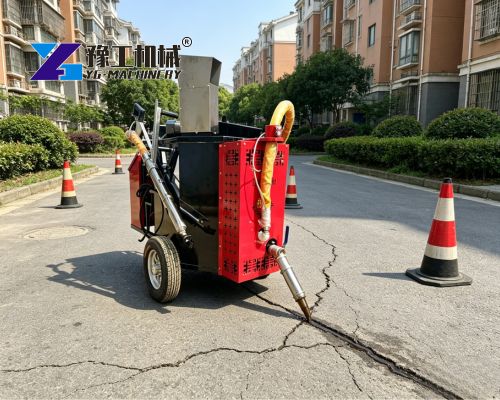
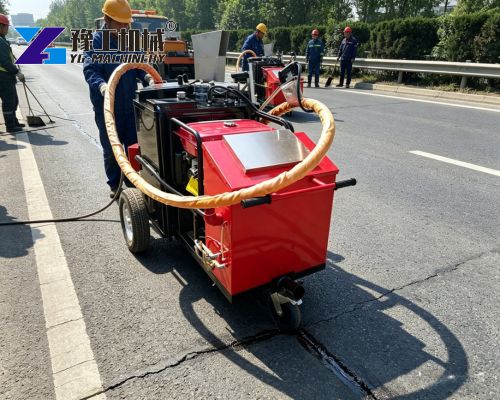
YG Asphalt Crack Sealing Equipment Parameters
| Model | Capacity | Heating Method | Weight | Features |
| YG-50L | 50 Liters | LPG | 120kg | Solar power for electronics |
| YG-60L | 60 Liters | LPG + Heat Oil | 120kg | Yamaha gasoline generator |
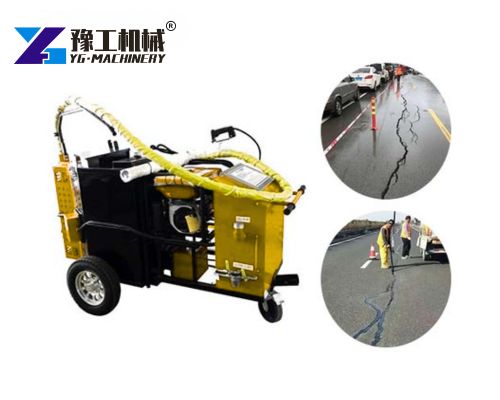
| YG-100L | 100 Liters | Diesel Burner | 400kg | Electric stirring & 5m heated hose |
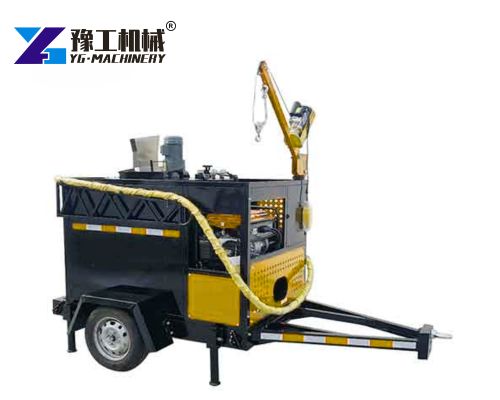
| YG-350L | 350 Liters | Diesel Burner | 1000kg | Trailer-mounted for large jobs |
How Does a Crack Filling Machine Work?
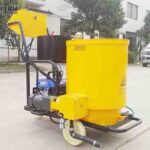
A crack filling machine is designed to melt asphalt sealant or “crack glue” and apply it deep into road cracks. The process starts with a heating system. Most small machines use liquefied petroleum gas (LPG) to heat a jacket of heat-transfer oil. This oil then transfers heat to the sealant, melting it quickly and evenly without burning it.
For larger projects, an asphalt crack sealer machine may use a diesel burner and a generator to power the pump and mixer. Once the material is liquid, a pressure pump pushes it through a heated hose to the application nozzle. This ensures the sealant stays hot and flows smoothly, even in cold weather.
Essential Asphalt Crack Sealing Equipment Setup
Before you start, you must have the right setup. Road repair is usually a team effort involving four to five people. To get the best results, you often need more than just the hot crack sealing machine.
- Grooving Machine: Used to cut a clean U-shaped or V-shaped channel in the crack.
- Road Blower: Cleans out dust and debris so the sealant sticks well.
- Safety Gear: Workers must wear heat-resistant gloves and protective clothing because the sealant is very hot.
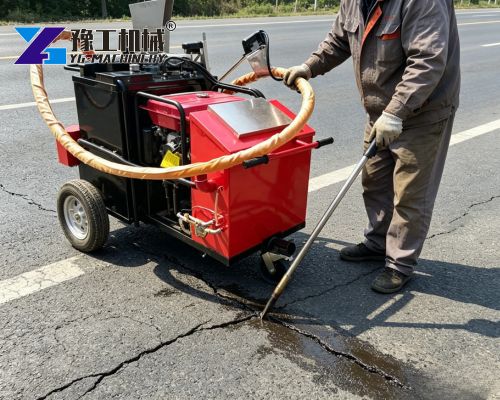
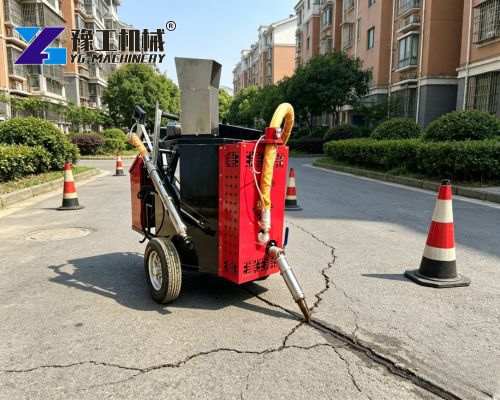
Step-by-Step Guide to Using Your Asphalt Crack Sealer Machine
Using a crack filling machine correctly takes some practice, but these steps make it easy to follow:
- Preparation: Seal off the work area for safety. Use a grooving machine to open the cracks and a blower to remove all dirt.
- Heating the Material: Put the sealant into the kettle. Turn on the heating system. It usually takes 30 to 50 minutes to melt the material completely, depending on the machine size.
- Mixing: Use the manual or electric stirrer to keep the sealant uniform. This prevents the material from burning or settling at the bottom.
- Application: Once the sealant reaches the right temperature (usually between 180°C and 200°C), use the discharge gun to fill the cracks. Move at a steady speed to ensure a beautiful and smooth finish.
- Cooling: Let the sealant cool and harden before opening the road to traffic.
Why Choose a Hot Crack Sealing Machine?
A hot crack sealing machine is much better than cold-pour methods. The heat makes the sealant bond tightly with the walls of the crack. This creates a waterproof seal that expands and contracts with the road.
Advanced machines, like the YG-100L, feature smart temperature controls to prevent the material from aging or burning. They also have anti-clogging designs for the pump and nozzle, which are the most common places for blockages. Using high-quality asphalt crack sealing equipment saves you time and reduces maintenance costs over the long term.
Choose a Reliable Crack Filling Machine from YG Machinery
Mastering proper operation boosts your crack repair efficiency greatly. As a professional factory supplier of high-quality crack filling machines, we offer diverse and reliable models at favorable factory prices, suitable for all kinds of road maintenance projects. We provide full technical guidance and considerate after-sales support. Feel free to contact us for detailed specs, latest quotes and tailored solutions to get ideal construction equipment.