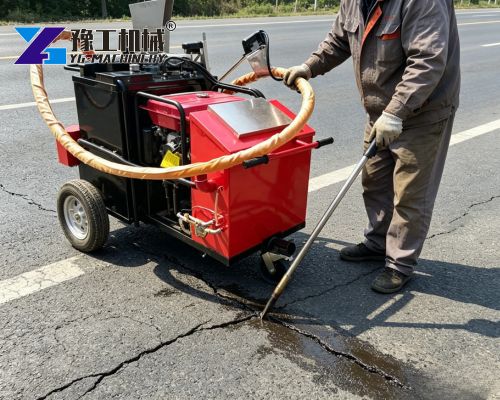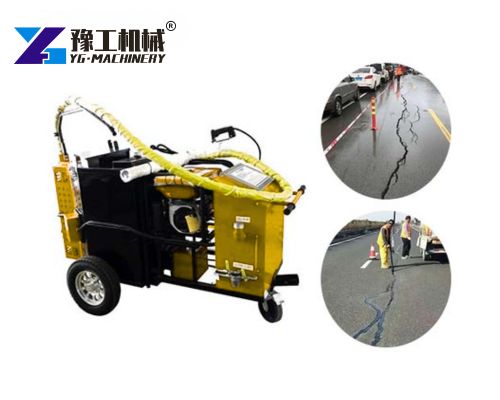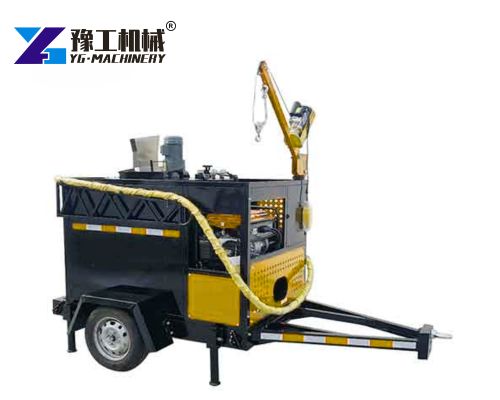
An asphalt crack repair machine is a piece of equipment used to fill and seal cracks in asphalt pavement. It melts sealant material and applies it into cracks to prevent water damage. This machine is commonly used for roads, parking lots, driveways, and airport runways. It helps extend the life of pavement by keeping water out. If you need durable and efficient road maintenance equipment, contact YG for more product details.
Get Asphalt Crack Repair Machine Free Quote
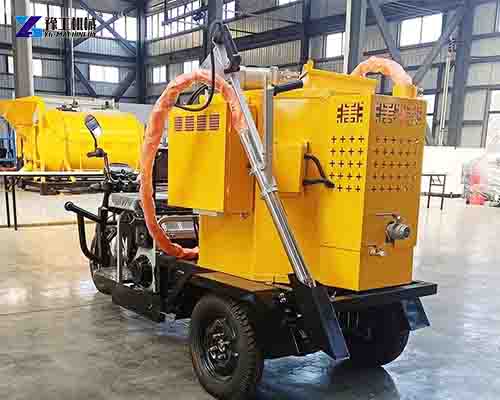
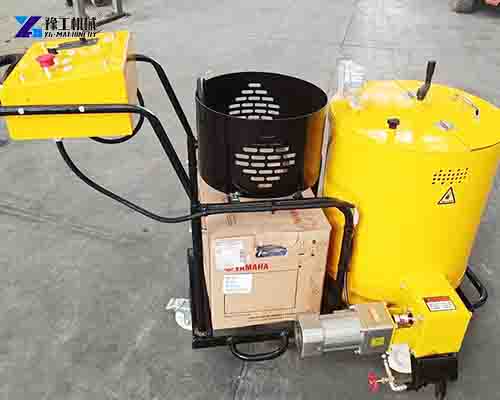
Asphalt Crack Repair Machine Parameters-OEM Support
Understanding the specifications helps you choose the right asphalt crack filling equipment for your projects. Here are typical parameters you should check:
| Model | YG-50L | YG-80L | YG-100L |
| Hopper volume | 50L | 80L | 100L |
| Discharge method | Self flow | Asphalt pump feed | Asphalt pump feed + hand-held tube |
| Heating method | Liquefied gas | Liquefied gas + heat transfer oil | Italian diesel burner, heat transfer oil cycle heating |
| Temperature control | Temperature sensor 180 ° (temperature control call) | Temperature sensor 180 ° (temperature control call) | Automatic temperature control system |
| Filling speed | 10m/min | 15m/min | 20m/min |
| Length of sealing pipe | —— | —— | 5m |
| Walking mode | Push-type + brake device | Push-type + brake device | Push-type + trailer |
| Mixing method | Manual mixing | Manual mixing | Electric stirring |
| Power Configuration | Solar panels + batteries | Solar panels + batteries | Import 2KW generator |
| Dimensions | 1200*700*1200mm | 1200*700*1200mm | 1750*786*1200mm |
| Weight | 120kg | 150kg | 220kg |
These numbers affect how fast and how well the machine works. A larger tank means fewer refills. Higher temperature allows working in cold weather. Make sure the machine fits your job size and site conditions.
Get Asphalt Crack Repair Machine Free Quote
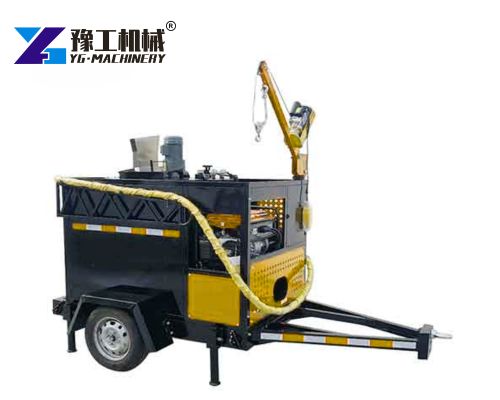

The Working Cycle of Crack Sealing
A full working cycle with an Asphalt Crack Repair Machine includes several steps from preparation to finishing. Understanding this cycle helps you plan your work better and avoid downtime.
Step 1: Site Preparation
Before starting, clean the cracks thoroughly. Remove dirt, debris, and loose asphalt. Use compressed air or a wire brush. Clean cracks allow the sealant to bond strongly.
Step 2: Heating the Sealant
Place the solid sealant blocks into the tank. The diesel burner heats the material to 180-220℃. The machine uses a temperature controller to maintain consistent heat. The process takes about 30 to 40 minutes. While the sealant is heating, you can mark out the cracks that need repair.
Step 3: Application
Once the sealant is fully melted, start the pump. The liquid material flows through the heated hose to the wand. The operator applies the sealant into the cracks. Overfill slightly to allow for cooling and contraction.
Step 4: Curing Time
Allow the sealant to cool and harden. This usually takes 10 to 20 minutes depending on the weather. Do not open the road to traffic until the sealant is fully set. Hot weather speeds curing, while cold weather slows it down.
Step 5: Cleanup
After finishing, clean the hose and wand with a flush material. This prevents clogging for the next use. Turn off the burner and let the machine cool safely.
A well-planned cycle reduces waste and improves job quality. If you handle frequent road repairs, an Asphalt Crack Repair Machine from YG can streamline your entire process.
5 Applications of Asphalt Crack Filling Equipment
Asphalt crack filling equipment is used in many settings. Each application has specific needs.
Highway Maintenance
Highways need fast and durable repairs. Traffic cannot be stopped for long. A machine with a large tank and fast heating helps crews work quickly.
Parking Lots
Parking lots have many cracks from vehicle weight and weather. Regular sealing keeps them safe and looks professional. Smaller, hand-push machines work well here.
Airport Runways
Runways require precise and reliable repairs. Any failure could affect safety. High-quality machines with consistent output are essential.
Residential Driveways
Homeowners and contractors use smaller units for driveways. These projects need neat and clean sealing. Portable machines are easy to transport.
Bridge Expansion Joints
Bridges move with temperature changes. Special sealant and careful application are needed. Crack sealing machines can fill these joints effectively.
Sealant Types and Compatibility
Different projects require different sealants. Your Asphalt Crack Repair Machine must be compatible with the material you plan to use. Here is a breakdown of common sealant types and their uses.
Hot-Pour Rubberized Asphalt
This is the most common sealant for road repairs. It contains rubber particles that give it flexibility. It expands and contracts with temperature changes. This makes it ideal for highways and parking lots. Most asphalt crack filling equipment is designed to handle this type.
Cold-Pour Sealants
These come in liquid form and do not need heating. They are easy to apply but do not last as long. They are best for temporary repairs or small jobs. If you use cold-pour materials, you may not need a heated machine.
Polymer-Modified Sealants
These offer better adhesion and durability. They resist cracking in extreme weather. They are more expensive but provide longer service life. Machines with higher temperature ranges can handle these materials.
Asphalt Emulsion
This is a water-based sealant. It is easy to use but less durable. It is suitable for low-traffic areas like sidewalks or private driveways. Emulsions do not require high temperatures.
Make sure to check the machine’s temperature range and pump type before choosing a sealant. Using the wrong material can damage the machine or cause poor results.
Get Asphalt Crack Repair Machine Free Quote
Asphalt Crack Repair Machine Operating Cost Analysis
One of the biggest questions buyers ask is: How much does it cost to operate an Asphalt Crack Repair Machine? Here is a breakdown of typical costs.
Fuel Costs
Most machines run on diesel. A 130L tank machine uses about 2-3 liters of diesel per hour. At current prices, this equals roughly $3-5 per hour. Diesel consumption depends on the ambient temperature and working hours.
Sealant Costs
Hot-pour sealant costs about $1.5-2.5 per kilogram. On average, you use 0.2-0.4 kg per meter of crack. For a 500-meter job, material costs are around $150-500. Buying sealant in bulk can reduce the unit cost.
Labor Costs
One operator can handle the machine. Depending on your region, labor cost may be $15-30 per hour. For a full day of work, labor is a significant but controllable expense.
Maintenance Costs
Routine maintenance includes oil changes, filter replacements, and burner cleaning. Plan about $200-400 per year for regular servicing. Proper care reduces unexpected repair costs.
Cost Per Meter
The total cost per meter of sealed crack ranges from $1.5 to $4.0, including fuel, material, labor, and maintenance. This is much cheaper than repaving, which can cost $30-50 per square meter.
Understanding these numbers helps you calculate your return on investment. A crack seal machine for sale from YG can pay for itself in less than one season of heavy use.
YG Road Filling Equipment Real-World Project Case
Seeing how other users apply asphalt crack filling equipment can help you understand its value. Here are three common scenarios.
Scenario 1: Municipal Road Repair
A city maintenance department uses a trailer-type Asphalt Crack Repair Machine for local roads. The team seals cracks every spring. They cover about 2,000 meters in two days. The cost per meter is around $2.8. The repaired roads last 5 to 7 years before needing new sealing. The city saves $50,000 each year compared to partial repaving.
Scenario 2: Parking Lot Contractor
A contractor handles shopping mall parking lots. He uses a hand-push crack seal machine for sale. Each lot has about 800 meters of cracks. The job takes one day and costs about $2,200. The client pays $4,500 for the service. The contractor makes a profit of over 50% per job.
Scenario 3: Farm Driveway Repair
A farm owner buys a small Asphalt Crack Repair Machine. He seals cracks in his access roads and equipment yard. He uses cold-pour sealant because it is simpler. The machine saves him from hiring outside contractors. Over two years, he recovers the machine cost through reduced maintenance fees.
These examples show that different users find value in different ways. Choose your machine based on your own needs.
Asphalt Crack Repair Machine for your Project
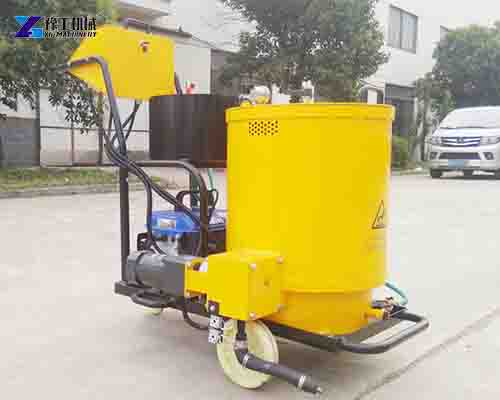
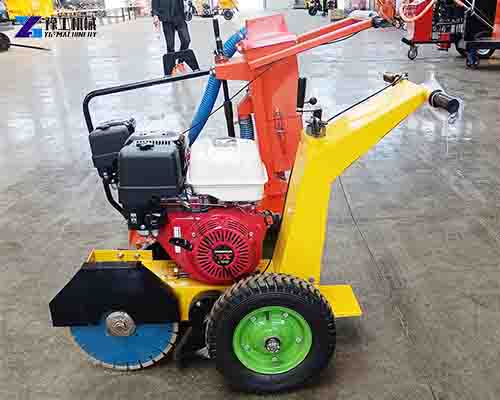
Common Problems and Solutions
Even reliable asphalt crack filling equipment can experience issues. Knowing common problems and their fixes saves time and money.
| Problem | Possible Cause | Solution |
| Sealant not melting | Burner not igniting or low fuel | Check fuel level and ignition system |
| Pump not flowing | Hose clogged or pump airlocked | Flush hose with hot oil; prime the pump |
| Uneven sealant flow | Temperature too low or pump worn | Increase temperature; check pump seals |
| Sealant bubbling | Moisture in tank or sealant | Drain tank; use dry sealant material |
| Smoke from burner | Dirty burner or poor air mix | Clean burner nozzle and adjust air intake |
Regular inspection prevents most of these problems. Keep spare parts like nozzles, filters, and hoses on hand. If a problem persists, contact YG for technical support.
Seasonal Operation Tips
Weather affects how your Asphalt Crack Repair Machine performs. Here is how to handle different seasons.
Summer Operation
High temperatures help the sealant flow smoothly. Heating time is shorter. However, sealant can become too thin if overheated. Keep the temperature at the lower end of the range. Work in the early morning or late afternoon to avoid the hottest hours.
Winter Operation
Cold weather increases heating time. You may need to preheat the machine longer. The sealant cools faster on the road. Work in smaller sections to ensure proper bonding. Keep the hose well insulated to prevent freezing.
Rainy Season
Do not seal cracks when the pavement is wet. Moisture prevents bonding. Wait for at least 24 hours of dry weather before sealing. Cover the machine when not in use to keep rain out of the tank.
Spring and Fall
These are ideal seasons for crack sealing. Temperatures are mild, and the pavement is dry. Plan your main projects during these times. This ensures the best results and longest lifespan.
Frequently Asked Questions
Q1: How long does it take to heat the sealant?
Heating usually takes 30 to 40 minutes, depending on the model and ambient temperature. The machine is ready to use once the sealant reaches the working temperature of around 180℃ to 220℃.
Q2: What type of sealant can I use?
Most machines work with hot-pour rubberized asphalt sealant and other crack-filling materials. Check your machine’s specifications for recommended materials.
Q3: How many meters of cracks can I seal per day?
One operator can typically seal 300 to 500 meters per day, depending on crack size and machine capacity. Larger machines with fast heating allow higher output.
Q4: Is the machine easy to transport?
Many models are hand-push or trailer-type for easy movement. Hand-push units are compact and can fit in a pickup truck. Trailer models are towed behind a vehicle.
Q5: What warranty do you offer?
YG provides a 1-year warranty on core components. We also offer ongoing technical support and spare parts availability. Contact us for specific warranty terms.