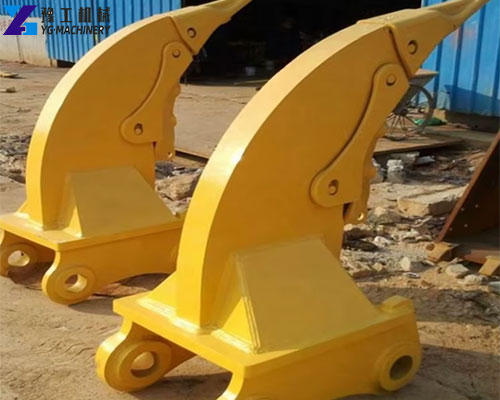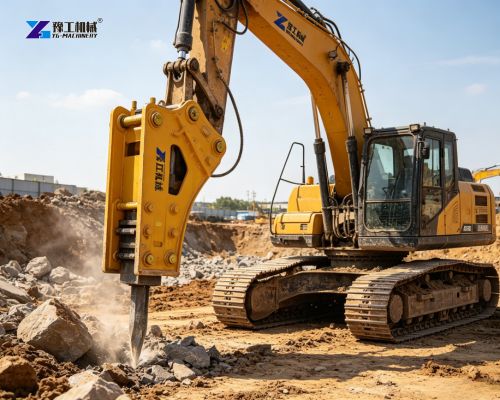
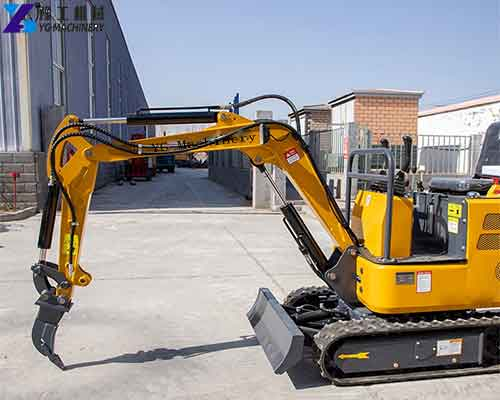
A hydraulic ripper for excavator is a powerful attachment designed to break through hard ground, rock, concrete, and frozen soil. It uses the excavator’s hydraulic system to deliver concentrated force through a single, sharp tooth, making excavation in tough conditions faster and easier. If you need to handle difficult digging jobs, a hydraulic ripper can help you get more work done with less effort.
Get a Quick Quote for Your Excavator Size

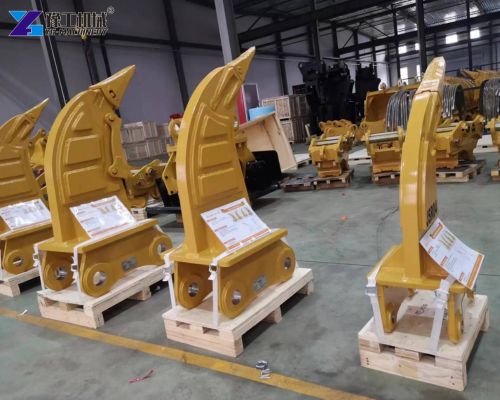
YG Hydraulic Ripper for Excavator Specification-OEM Support
| Item/Model | Unit | YG02 | YG04 | YG06 | YG08 | YG10 | YG14 | YG17 | YG20 | YG24 |
| Overall Width | mm | 375 | 420 | 570 | 665 | 740 | 820 | 820 | Customized | Customized |
| Overall Height | mm | 390 | 950 | 1180 | 1260 | 1380 | 1470 | 1520 | 1660 | 1800 |
| Shaft Diameter | mm | 40-50 | 50-55 | 60-70 | 70-80 | 80-90 | 80-90 | 90-110 | Customized | Customized |
| Opening | mm | 150-180 | 180-200 | 200-315 | 300-350 | 360-420 | 360-420 | 400-500 | Customized | Customized |
| Main Plate Thickness | mm | 50 | 50 | 60 | 80 | 80 | 90 | 90 | 100 | 100 |
| Ripper Tooth Model | type | FR50 | DH150 | DH220 | D85C | 4T5502-2 | 4T5502 | 4T5502 | D11 | D11 |
| Weight | kg | 65 | 125 | 260 | 420 | 600 | 730 | 850 | 1320 | 1810 |
| Suitable Excavator | ton | 4-6 | 5-9 | 9-16 | 16-23 | 23-30 | 30-39 | 40-49 | 50-64 | 65-90 |
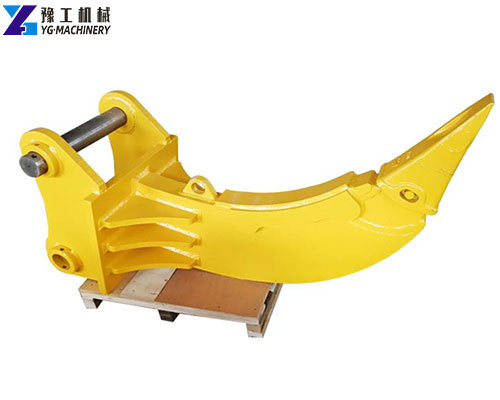
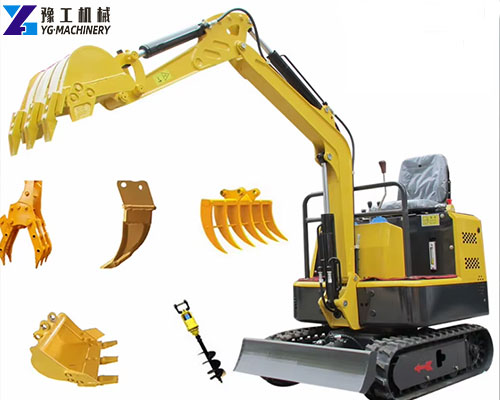
How Does a Hydraulic Ripper Work?
The working principle is simple but effective. The hydraulic ripper uses the excavator’s hydraulic cylinder to push the tooth into the ground. The force is concentrated on the small tip of the tooth, creating immense pressure that cracks the material.
Key parts of the hydraulic ripper system include:
- The shank: The main body of the ripper, made from high-strength steel.
- The ripper tooth: The replaceable tip that does the actual breaking. It is often made from wear-resistant materials.
- The hydraulic cylinder: Powers the ripper’s up-and-down movement.
The ripper works by first making contact with the target material. The operator lowers the excavator arm and uses the hydraulic cylinder to apply downward pressure. The tooth penetrates the surface, creating cracks. As the tooth moves forward, it pries the material apart, breaking it into manageable pieces.
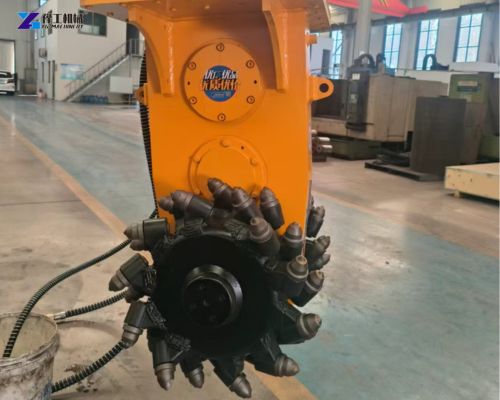
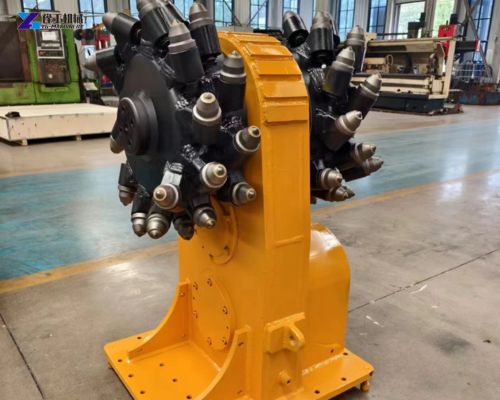
Some advanced rippers use vibration technology. These vibratory rippers add high-frequency vibration to the tooth, which helps break up material more efficiently. This can improve productivity by up to 80% compared to standard hammers in certain conditions.
Ask Our Engineers for Ripping Solutions
5 Benefits of Using a Hydraulic Ripper for Excavator
Switching to a hydraulic ripper offers several clear advantages over traditional digging methods.
1. High Efficiency in Tough Ground
The ripper can break materials that standard buckets cannot handle. It reduces the need for multiple passes, saving fuel and time. In many cases, a ripper can work three to five times faster than a hydraulic breaker in the same material.
2. Lower Maintenance Costs
Rippers have fewer moving parts than breakers. There is no complex internal mechanism to wear out. The main wear item is the replaceable tooth. This means less downtime and lower repair bills.
3. Precision and Control
Because the ripper uses leverage rather than impact, the operator has better control. This is important in tight spaces, near utilities, or when selective demolition is required.
4. Quieter Operation
Ripping generates less noise than hammering. This is a major benefit for urban jobsites or projects with strict noise limits. Less noise also means less disturbance to nearby communities.
5. Versatility
The hydraulic ripper can handle many different materials and jobs, from mining and quarrying to road repair and land clearing. It is a useful tool for any contractor who works in challenging ground conditions.
4 Applications of Hydraulic Ripper
The hydraulic ripper for excavator is used across many industries. Its ability to break hard material without blasting makes it a key tool on many job sites.
- Mining and Quarrying
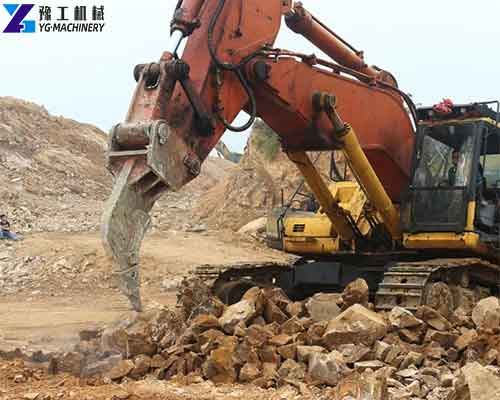
In mines and quarries, the ripper breaks up rock layers so they can be loaded and hauled away. It is an economical alternative to blasting in many situations. - Demolition
For demolishing concrete foundations, slabs, and walls, the ripper is an effective tool. It can open cracks in reinforced concrete, exposing rebar for cutting. It is especially useful for selective demolition where precision is needed. - Construction
On construction sites, the ripper is used for excavating trenches, preparing building pads, and breaking up old pavement. It can handle everything from hard clay to frozen ground. - Agriculture and Land Clearing
Farmers and land developers use rippers to break up hardpan, remove stumps, and clear brush. It makes land more workable and prepares it for planting or construction.
Tell Us Your Job Site Conditions

How to Choose the Right Hydraulic Ripper
Choosing the right hydraulic ripper for your excavator is important for safety and productivity. Here are the main factors to consider.
1. Excavator Size and Weight
The ripper must be matched to your machine. Using a ripper that is too large can damage the excavator. A ripper that is too small will not work effectively. Check the manufacturer’s recommendations for compatible excavator weight classes. Common sizes range from small 5-ton mini excavators up to 75-ton mining machines.
2. Hydraulic Flow and Pressure
Your excavator’s hydraulic system must provide enough flow and pressure to operate the ripper. If the ripper requires higher flow than the excavator can provide, performance will be poor. Always check the specifications.
3. Material Type and Hardness
Consider what materials you will be breaking. For soft rock or frozen ground, a standard ripper may be enough. For harder rock or heavily reinforced concrete, you may need a heavy-duty or vibratory ripper.
4. Tooth Design and Wear Protection
The shape and size of the ripper tooth affect penetration. Pointed teeth are good for initial penetration. Chisel-shaped teeth are better for spreading cracks. Look for teeth with wear-resistant tips or hardfacing to extend service life.
5. Compatibility and Installation
Make sure the ripper fits your excavator’s quick coupler or pin system. Some rippers are designed for specific brands . Check the pin diameter, dipper width, and pin-to-pin distance.
Get Expert Sizing Advice – Free
Matching Your Excavator with the Right Ripper
Using a ripper that matches your excavator is key to getting good results. The table below shows the general match between excavator size and YG ripper specifications.
Excavator Ripper Sizing Guide
| Excavator Size (Tons) | Pin Diameter | Plate Thickness | Typical Applications |
| 4-6T | 40-50mm | 50mm | Small site prep, landscaping |
| 9-16T | 60-70mm | 65mm | General construction, utilities |
| 16-23T | 70-80mm | 80mm | Medium-scale demolition, road work |
| 23-30T | 80-90mm | 90mm | Heavy construction, mining support |
| 30-39T | 80-90mm | 90mm | Large-scale mining, quarrying |
When selecting a digger ripper tooth, pay attention to the tooth model and tip design. Some teeth are designed for maximum penetration, while others offer better crack propagation.
Specifications to Look for in a Hydraulic Ripper
When reviewing a product, here are the technical details that matter most.
Shank and Body Material
The ripper body should be made from high-strength steel, such as Q345 or Q355 manganese plate. This steel provides the strength to withstand high impact forces and the toughness to resist cracking.
Pin Material and Design
The pins that connect the ripper to the excavator should be made from alloy steel like 42CrMo. This material has high strength and good wear resistance. Look for built-in oil passages that make lubrication easy and reduce wear.
Tooth Model and Wear Resistance
The tooth is the part that does the work. It should be made from wear-resistant steel and be easy to replace. Different tooth models are available for different excavator sizes.
Weight and Dimensions
The overall weight and dimensions of the ripper affect the excavator’s balance and reach. A heavier ripper provides more penetrating force but may require more hydraulic power. Check the overall width, height, and pin-to-pin distance to ensure a good fit.
Request Full Technical Data Sheet

Where to Find Excavator Ripper Tooth for Sale
When you are ready to buy, look for a reliable manufacturer or supplier. A good supplier will offer a range of sizes and options. They should also provide clear specifications, installation guides, and after-sales support.
YG is a professional factory that specializes in manufacturing excavator attachments. We offer a full range of hydraulic rippers designed for excavators from 4 tons to 90 tons. Our rippers are made from high-quality materials and are built to last in demanding conditions. Every product is tested for quality to ensure reliable performance.
When searching for an excavator ripper tooth for sale, look for a product with a good warranty and a proven track record. The lowest price is not always the best value if the quality is poor.
Get Your Hydraulic Ripper from YG
YG is a professional factory with over 12 years of experience in manufacturing excavator attachments. We produce high-quality hydraulic rippers that are built to handle the toughest jobs. Our products are used by contractors around the world.
We offer:
- A wide range of ripper sizes for excavators from 4T to 90T.
- High-strength steel construction for long service life.
- Replaceable wear parts to reduce maintenance costs.
- Quick delivery and competitive factory prices.
- Customization options to fit your specific excavator model.
Need help finding the right hydraulic ripper for your excavator? Contact YG today for a quote. Our team is ready to answer your questions and help you select the right attachment for your machine. We ship worldwide and provide full support.