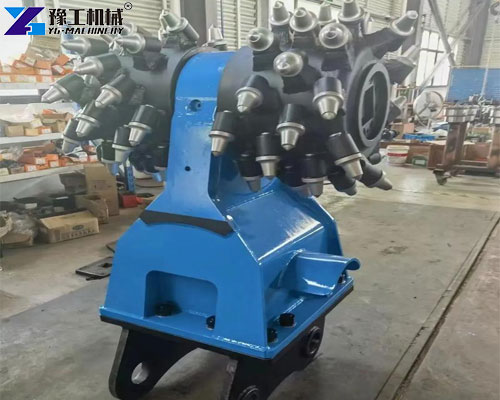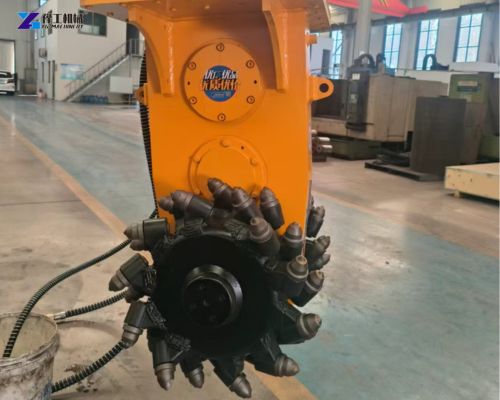
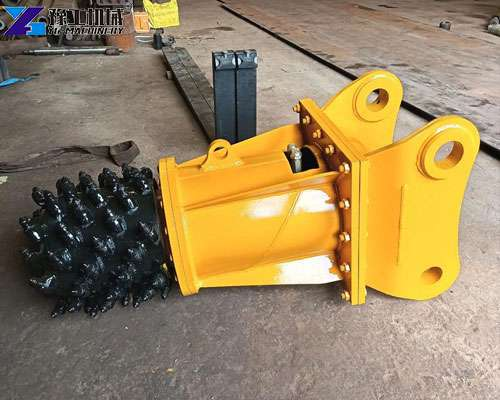
A milling head for excavator is a hydraulic attachment that replaces the bucket. It uses a rotating drum with carbide-tipped picks to grind and remove materials like concrete, rock, and asphalt. Unlike a hydraulic breaker that pounds and fractures material, the milling head cuts layer by layer. This gives you a smoother surface and better control. It also produces less vibration, so you can work closer to buildings and other sensitive areas without causing damage.
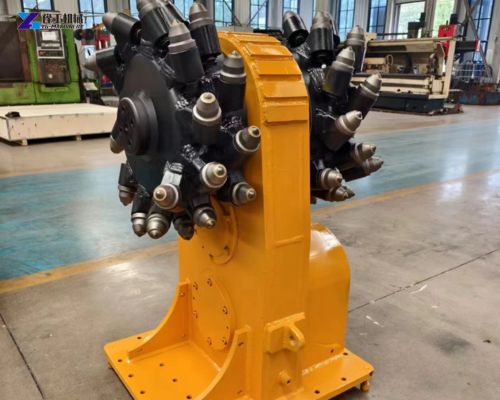
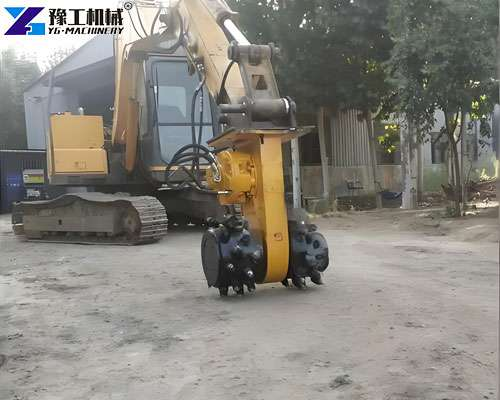
YG Milling Head for Excavator Specifications-Customized Support
Choosing the right milling head for excavator starts with matching the attachment to your machine. The most important factors are excavator weight and hydraulic flow. Here is a typical specification table for reference:
| Model | YG140 | YG160 | YG180 | YG240 |
| H | 650mm | 820mm | 830mm | 1395mm |
| W | 410mm | 650mm | 780mm | 960mm |
| D | 390mm | 460mm | 480mm | 620mm |
| Excavator weight | 5~10T | 10~15T | 15~21T | 20~24T |
| Max power | 22Kw | 45Kw | 55Kw | 65Kw |
| Speed | 0~120r/min | 0~100r/min | 0~80r/min | 0~90r/min |
| Flow | 40L/min | 100~110L/min | 130~180r/min | 200~250r/min |
| Max Torque | 3200N.m | 5400N.m | 5600N.m | 12800N.m |
If your excavator’s flow rate is too low, the milling head won’t have enough power to cut effectively. If the flow rate is too high, you risk damaging the motor. Always check your machine’s hydraulic specifications before ordering.
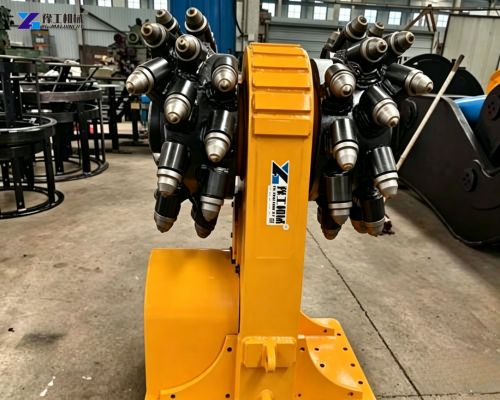
The milling head for excavator also comes in two configurations: transverse and longitudinal. The transverse type is the most common. It works well for surfaces, walls, and trenching. The longitudinal type is better for tight spaces and deep shafts where side access is limited.
6 Applications of Hydraulic Drum Cutter
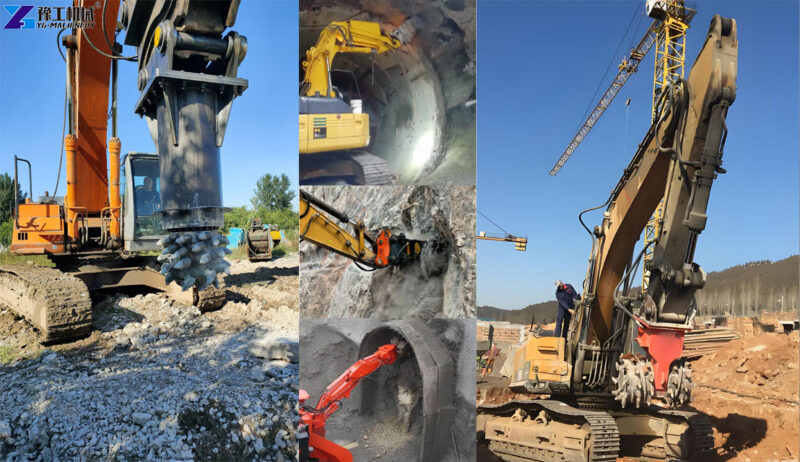
A hydraulic drum cutter is one of the most versatile attachments you can add to your fleet. Here are the primary jobs where it outperforms other tools:
- Road Milling and Repair – Remove damaged asphalt or concrete layers before resurfacing. The controlled cutting depth prevents damage to the underlying base.
- Trenching for Utilities – Cut narrow, precise trenches for pipes, cables, and drainage systems. This is faster and cleaner than using a breaker.
- Tunnel Excavation and Profiling – Shape tunnel walls and ceilings with minimal vibration. This is critical for safety in underground work.
- Demolition and Selective Dismantling – Cut openings in concrete walls or remove specific sections without affecting the rest of the structure. The low vibration means less micro-cracking in the remaining structure.
- Rock and Frozen Soil Excavation – Break up soft to medium-hard rock and frozen ground. This is common in mining and winter construction projects.
- Underwater Work – With proper sealing, some hydraulic drum cutter models can operate submerged.
Excavator Milling Head Components
A good excavator milling head is built around a few key components:
- Hydraulic Motor – This converts hydraulic power into rotational force. A high-torque motor ensures consistent cutting even under heavy load.
- Gearbox – Transfers power from the motor to the drum. Look for high-strength spur gears that can handle shock loads.
- Cutting Drum – The drum holds the cutting picks. It should be made from wear-resistant steel to extend service life.
- Carbide Cutting Picks – These are the tools that actually cut the material. High-quality tungsten carbide tips last longer and cut faster.
- Wear Protection – Side plates and scrapers protect the drum housing from abrasion, especially when working close to the ground.
Some models also include water spray systems to control dust. This is important for urban jobs and indoor work.
How to Choose the Right Excavator Milling Head
When you are selecting a milling head for excavator, focus on these four factors:
- Excavator Size and Hydraulic Capacity
Your machine’s operating weight and hydraulic flow determine which model you can use. Never exceed the recommended flow rate. - Material Hardness
For asphalt and soft rock, standard carbide picks work fine. For reinforced concrete and hard rock, you may need heavier-duty picks. - Job Site Constraints
If you work in urban areas, choose a model with low noise and vibration. If you work in tight tunnels, consider a longitudinal cutter for better maneuverability. - Cutting Width and Depth
Wider drums cover more area but require more power. Match the drum width to your typical job size. - Maintenance Access
Choose a design where the cutting picks are easy to replace. Quick-change systems reduce downtime significantly.
We offer customization to fit different excavator brands including Caterpillar, Komatsu, Hitachi, Volvo, and Hyundai.

Frequently Asked Questions
1. What materials can a milling head for excavator handle?
The milling head handles asphalt, concrete, soft to medium-hard rock, frozen soil, and mixed masonry. For hard rock like granite, you need a more powerful model with heavy-duty picks.
2. Can I install it on any excavator?
Most milling heads fit any excavator with the right hydraulic flow and mounting bracket. We offer custom adapters for different brands. Contact us with your excavator model and we will confirm compatibility.
3. How long do the cutting picks last?
Pick life depends on material hardness and operating hours. For asphalt work, picks can last 100-200 hours. For hard rock, they wear faster. The good news is picks are replaceable and available as spare parts.
4. What is the difference between transverse and longitudinal cutters?
Transverse cutters have the drum perpendicular to the excavator arm. They are better for wide surfaces and area work. Longitudinal cutters have the drum parallel to the arm and work better in narrow spaces and deep trenches.
5. What is the delivery time?
Standard delivery is 3-7 days. Customized orders may take longer. We ship worldwide and provide tracking information.