Robotic Tank Cleaning Solutions for the Industrial Sector Sludge
Cleaning large water storage tanks is a tough job for factory owners, municipal facilities, and facility managers. Traditional manual cleaning takes too much time, costs a lot of money, and puts human workers in serious danger. When workers have to enter dark, confined, and wet spaces, they face extreme risks like toxic gases, slippery floors, low oxygen levels, and drowning hazards.
Managers often deal with these major problems during routine maintenance:
High Labor Costs: Hiring certified cleaning crews for confined space entry requires expensive safety gear, continuous air monitoring, medical insurance, and long production downtime.
Hidden Dirt and Biofilm: Manual scrubbing with brushes often misses corners, thick sludge layers, stubborn algae, and harmful bacteria hiding on tank walls.
Long Operational Downtime: Draining a massive storage tank and cleaning it by hand can halt factory production or municipal water supply for days or even weeks.
Are Cleaning Robots Really Effective For Inside And Outside Tanks?
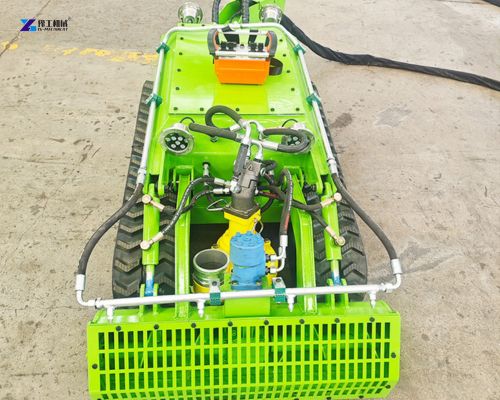
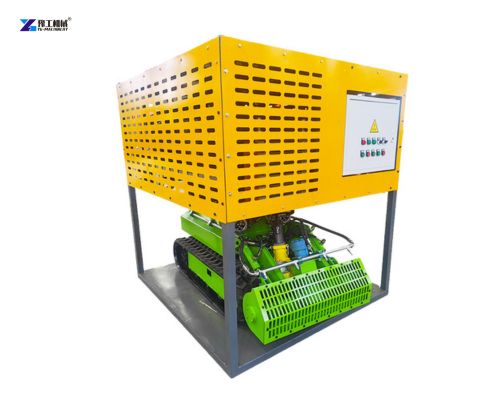
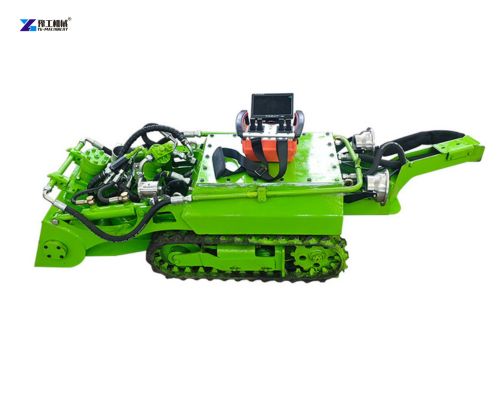
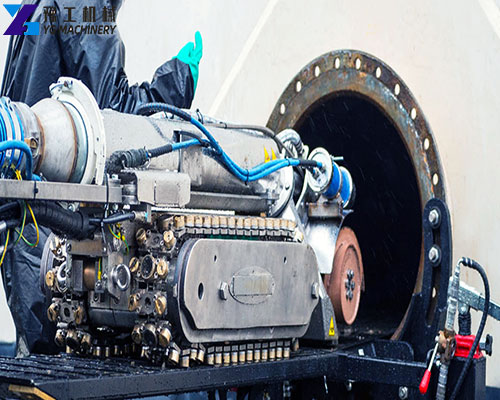
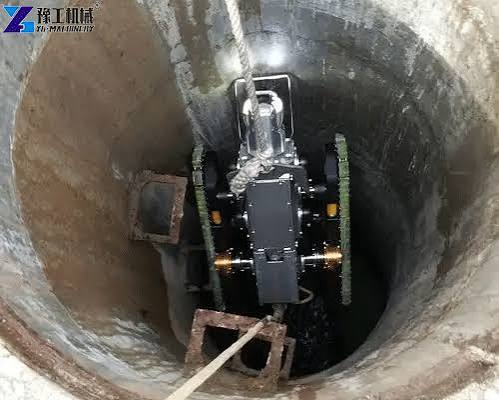
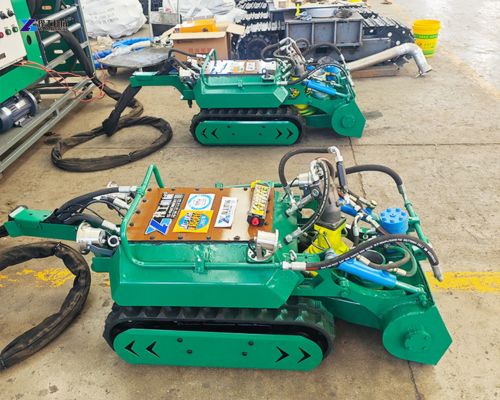
Modern technology brings a smart solution to these headaches. A water tank cleaning robot is designed to handle tough dirt inside various storage vessels without putting human lives at risk. These smart machines use powerful tracks or magnetic wheels to move smoothly along vertical walls and flat floors, scrubbing surfaces clean automatically.
When looking at how these machines perform, consider these key operational benefits:
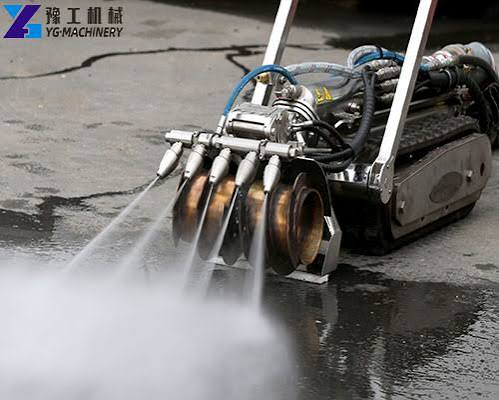
Inside Cleaning Power: The unit uses high-pressure water jets and strong vacuum suction to peel off rust, algae, and heavy sediment from the bottom and sides of the tank.
Outside Maintenance Support: While interior models focus on sludge and bacteria, an industrial tank cleaning robot can also assist with exterior surface washing, removing dust, grime, and bird droppings from large metal or concrete shells.
Real-Time Video Monitoring: Built-in high-definition cameras allow operators to check cleaning progress live on a control screen, ensuring zero missed spots and complete peace of mind.
After a long cleaning cycle, your water tank cleaning robot will collect a lot of mud, waste, and dirty water in its onboard filtration system or external collection bag. Proper maintenance is necessary to keep the machine working well for your next cleaning project and to extend its overall lifespan.
To maintain your cleaning equipment properly, follow these simple maintenance steps:
Flush the Recovery Tank: Empty all collected sludge immediately after use and rinse the waste chamber with clean water to prevent foul odors, mold growth, and pipe blockages.
Clean the Filter Mesh: Remove debris filters, wash away trapped particles, and check for tears or wear before storing the device.
Dry Electrical Connectors: Wipe down all power plugs, tether cables, and charging ports to prevent rust, water damage, and short circuits during future operations.
Key Technical Specifications To Evaluate
Choosing the right equipment requires looking closely at technical data to match your specific application requirements. Industrial buyers must review core parameters before finalizing a purchase order.
Important technical indicators include:
Cleaning Efficiency: Check the square meters cleaned per hour and the rated water pump pressure (measured in bar or PSI).
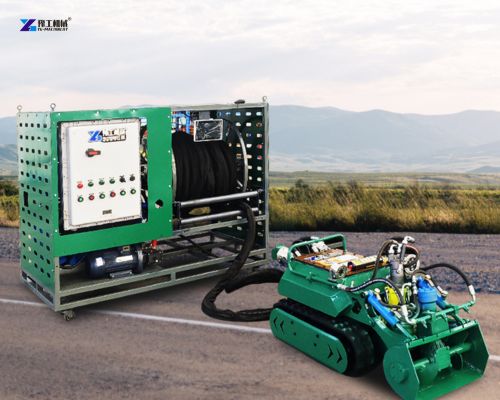
Maximum Diving Depth and Cable Length: Ensure the waterproof tether cable is long enough to reach the bottom and far corners of your deepest tanks.
Weight and Portability: Look at the total machine weight to ensure it can be easily lifted and placed into the tank hatch by two workers.
How Much Does A Water Tank Cleaning Robot Cost?
Price is always a top concern for overseas buyers and factory procurement teams. The total investment for a water tank cleaning robot varies based on build quality, cleaning speed, pump power, and smart navigation features.
Buyers usually evaluate these cost factors before making a purchase decision:
Entry-Level Models(YG-500 / YG-600): Basic units designed for small commercial water towers generally range from $12,380 to $16,000.
Heavy-Duty Industrial Units ( YG-900 / YG-1200): Advanced systems built for massive oil refineries, chemical plants, and municipal water reservoirs can cost between $18,280 and $19,680+.
Customization and Accessories: Extra-long waterproof cables, specialized chemical dosing pumps, and explosion-proof certifications will increase the final quotation.
To help global buyers make smart purchasing choices, here are the core factors you should confirm with your manufacturer before placing an order:
Power Source and Voltage: Check if the machine supports your local power grid specifications, such as 220V single-phase or 380V three-phase power.
Tank Material Compatibility: Ensure the tracks or wheels will not scratch or damage special inner coatings like epoxy linings or glass-fused-to-steel panels.
Lead Time and Packaging: Confirm standard production lead times, export wooden box packaging standards, and shipping port details.