
Every paper factory wants to improve production speed and reduce waste. A high-quality paper slitting machine is the key tool to achieve this goal. This professional equipment cuts large paper jumbo rolls into smaller rolls with precise widths. However, choosing the right machine is not easy because there are many types and technical data to consider. You must understand your factory needs, raw materials, and production goals before making a decision.
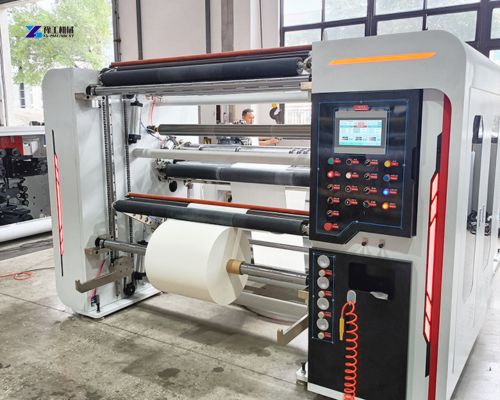
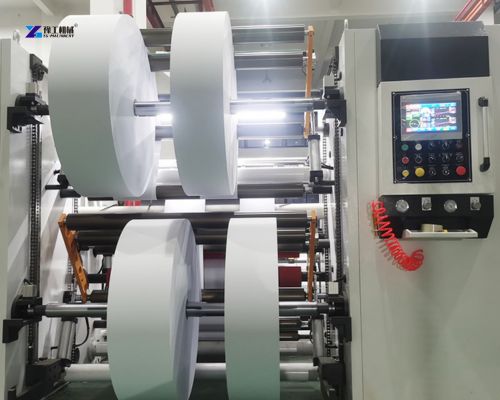
Understand Your Raw Material Specifications First
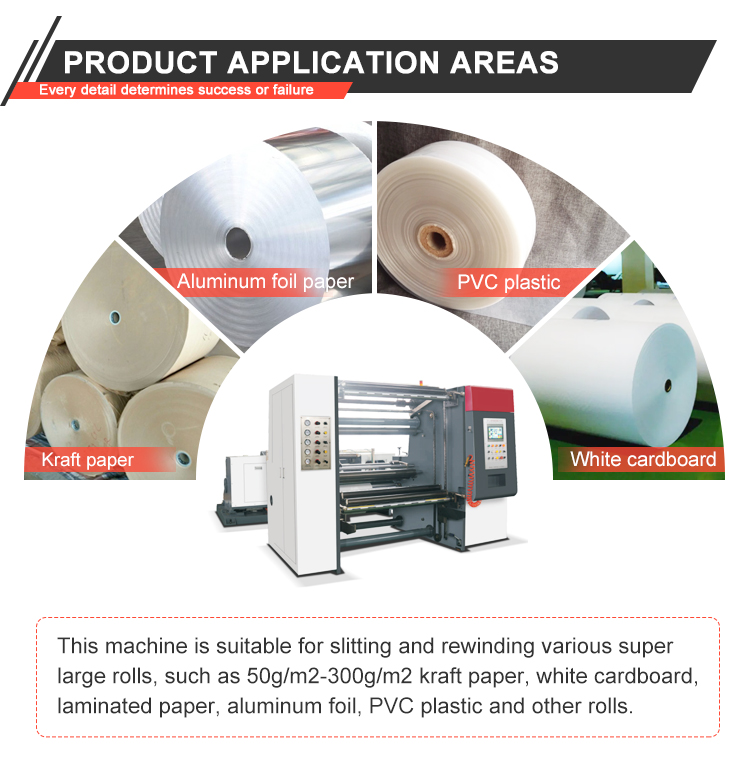
Before you look at any catalog, you must analyze the giant paper rolls you have now. Different machines handle different paper weights, diameters, and widths. If the machine does not match your paper material, the paper will tear easily during the cutting process. This will cause serious material waste and stop your factory work line frequently.
You need to check three main points regarding your raw paper rolls:
- Paper Thickness and Weight: Standard paper, kraft paper, cardboard, or tissue paper need different cutting forces and knife types.
- Maximum Unwind Width: This is the total width of your big jumbo roll. The machine entry part must be wider than this size.
- Maximum Unwind Diameter: Large diameters mean heavy rolls. Heavy rolls require a strong mechanical lifting structure to load them safely.
Get Free Technical Support From YG Engineers
Key Factors to Consider for a Paper Roll Slitting Machine
When you select a paper roll slitting machine, technical features decide your long-term daily performance. A good machine should run fast without shaking. Shaking will cause uneven roll edges, which makes the final product look bad. You need to focus on cutting precision and mechanical stability.
Here are the important machine parts you should inspect before purchasing:
- The Slitting System: Circular knives are excellent for thick paper and cardboard. Razor blades work better for thin film or light tissue paper. Ensure the knife position is easy to adjust.
- The Tension Control System: Paper stretches and pulls as it moves. Automatic tension control ensures the paper remains flat and tight. If tension is wrong, the small rolls will be too loose or warped.
- The Waste Edge System: Cutting paper creates thin side waste strips. The machine needs a powerful air blower or mechanical trim winder to clear waste immediately.
Evaluating the Paper Slitting Equipment Automation Level
Modern paper factories prefer automatic machinery over old manual systems. Higher automation saves labor costs and prevents human errors. When choosing paper slitting equipment, consider how many steps the operator needs to do by hand. A user-friendly control screen makes the whole training process short and simple for your team.
Advanced equipment usually includes these automated functions to keep your workshop running smoothly:
- PLC Touch Screen Control: Operators can type in the target cutting width and speed. The system monitors the roll status in real time.
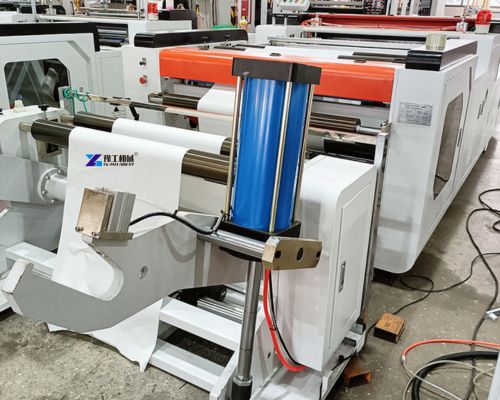
- Automatic Hydraulic Loading: Heavy jumbo rolls lift up automatically from the floor to the machine shaft. Workers do not need heavy manual tools.
- Line Guide Sensors: Photoelectric eyes check the edge of the paper. If the jumbo roll shifts slightly, the machine corrects the position instantly.
Request Automated Machine Demonstration Video
Choosing a High Performance Paper Slitter Rewinder Machine
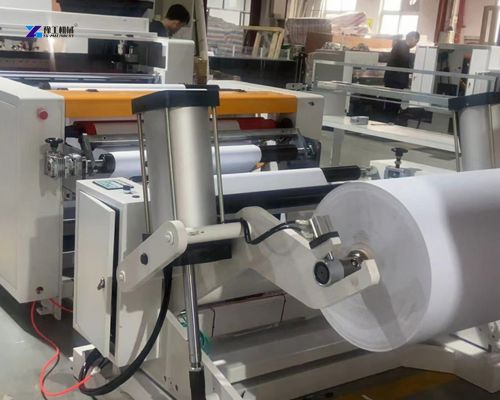
The winding quality is the final test for a paper slitter rewinder machine. Slitting and rewinding happen together in one continuous motion. The machine must roll up the slit paper strips neatly around the small inner cardboard tubes. If the rewinding tension is uneven, the rolls will deform during storage or transport.
To ensure high performance, look for these advanced rewinding designs:
- Dual Shaft Rewinding: Alternating the rolls on two separate shafts prevents adjacent paper strips from interlocking or tangling together.
- Pneumatic Friction Shafts: These maintain perfect, constant friction pressure across multiple small rolls on the same line, even if paper thickness varies slightly.
- Automatic Finished Roll Discharger: A mechanical arm pushes heavy finished rolls out onto a receiving cart, protecting the worker’s back.
Compare YG Factory Machine Technical Parameters
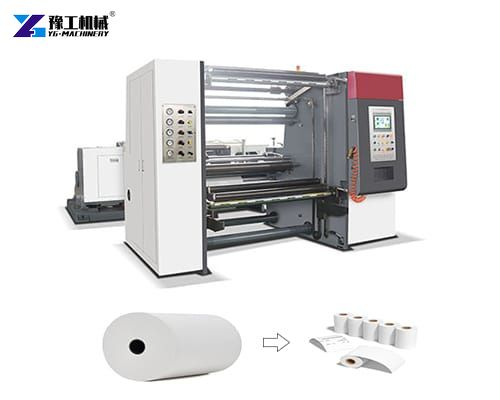
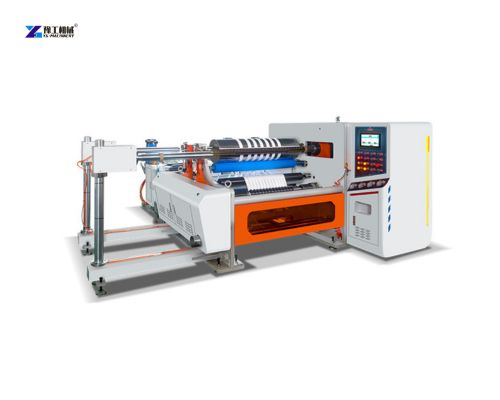
As a leading heavy industrial machinery brand, YG Machinery provides three premium models of professional slitting equipment. Each model features heavy-duty steel body construction, precise slitting knife systems, and stable electrical parts. Look at the technical table below to find the specific model that fits your factory plant dimensions and output requirement.
| Max Width of Jumbo Roll | 1300 mm | 1600 mm | 1800 mm |
| Max Diameter for Unwinding | ¢1400 mm | ¢1400 mm | ¢1400 mm |
| Min Width of Slitting Strip | 30 mm | 30 mm | 30 mm |
| Max Diameter of Rewinding | ¢1000 mm | ¢1000 mm | ¢1000 mm |
| Working Operational Speed | ≤350 m/min | ≤350 m/min | ≤350 m/min |
| Total Combined Power | 24 kw | 26 kw | 30 kw |
| Power Supply Standard | 380V / 50Hz | 380V / 50Hz | 380V / 50Hz |
| Total Machine Weight | 4000 kg | 4500 kg | 5500 kg |
| Overall Dimension (LxWxH) | 3300x3150x1930 mm | 3300x3450x1930 mm | 3300x3650x1930 mm |
Get Custom Catalog and Parameters Details]
How to Pick the Best Model Based on the Technical Data
When you read the YG technical chart, focus on matching the machine dimensions with your daily workflow. If your primary jumbo raw rolls are around 1500mm wide, the YG-1300 is too small. You must select the YG-1600 model to handle your material size properly. Buying a slightly wider model gives your factory room to expand your product catalog in the future.
Consider these physical limits in your workshop before confirming your final machine order:
- Floor Space and Height: Ensure your workshop has enough space. The YG-1800 model requires a clear length of 3300mm and a width of 3650mm. You also need extra space around the machine for workers to load and unload rolls safely.
- Power Grid and Capacity: All models require a three-phase 380V 50Hz electricity supply. Ensure your factory power transformer can support 24kw to 30kw of continuous power without blowing fuses.
- Floor Loading Weight: These heavy machines weigh between 4000kg and 5500kg. The workshop concrete floor must be thick enough to support this heavy weight without cracking over time.
Installation Requirements and Daily Maintenance Tips
A high-quality paper slitting machine requires a flat concrete foundation. If the floor is uneven, the machine will vibrate during high-speed rotation. This vibration will quickly dull the cutting blades and ruin the high-precision bearings. Clean the paper dust off the machine guide rails after every shift to prevent oil blockages.
Follow this checklist to keep your mechanical equipment in peak working condition:
- Blade Inspection: Check the cutting blades every week. Dull knives create fuzzy paper edges and generate excessive paper dust. Clean or sharpen them regularly.
- Bearing Lubrication: Apply high-temperature grease to all main drive rollers and winding shaft bearings every month to ensure smooth rotation.
- Air Filter Cleaning: Clean the air regulator and pneumatic valves to ensure the automatic tension system gets stable, dry air pressure.