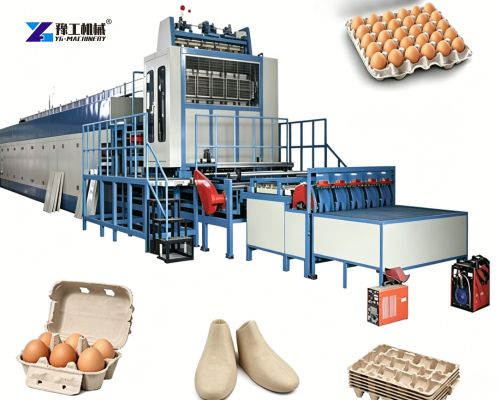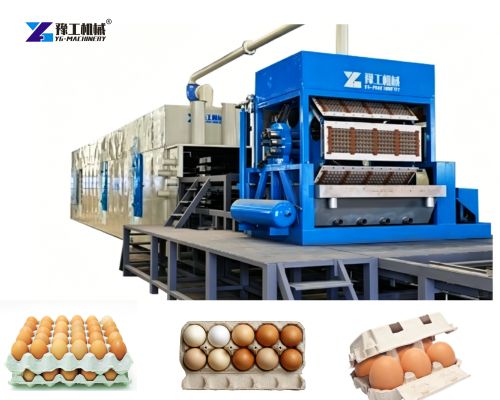
nvesting in an egg tray manufacturing machine is more than just buying equipment. It is the start of a manufacturing project. To make this project successful, you need a clear plan. This guide will walk you through the key steps. We will cover project planning, site selection, and daily operations. Our goal is to help you build a strong foundation for your business.
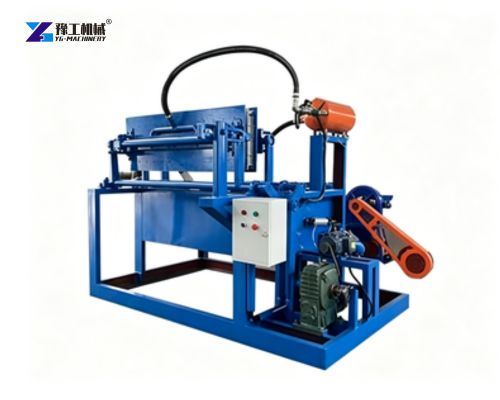
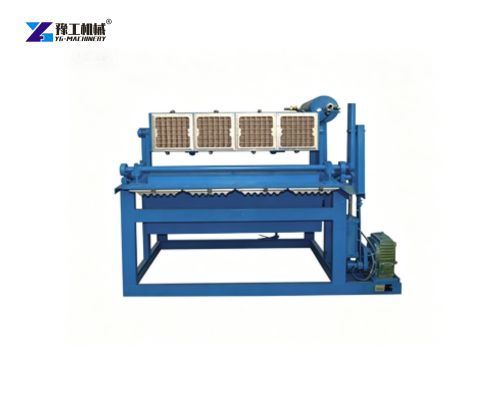
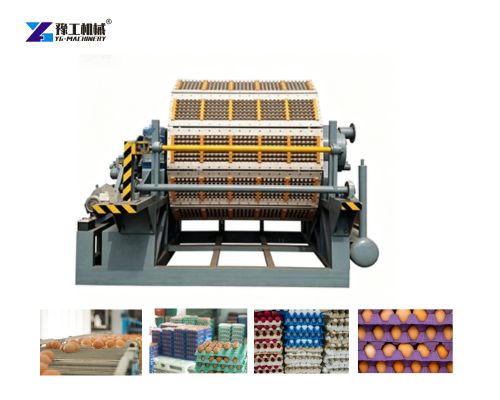
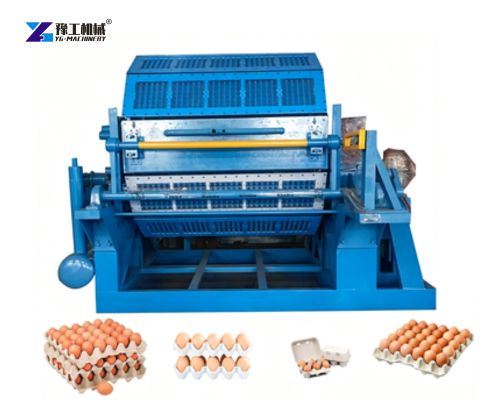
YG Egg Tray Making Machine Specification
| Model | YG-1000-3X1 | YG-1500-4X1 | YG-2500-3X4 | YG-3000-4X4 | YG-4000-4X8 | YG-5000-5X8 | YG-7000-6X8 |
| Capacity/hour | 1000pcs/h | 1500pcs/h | 2500pcs/h | 3000pcs/h | 4000pcs/h | 5000pcs/h | 7000pcs/h |
| Power/hour | 38kw | 38kw | 55kw | 60kw | 95kw | 95kw | 120kw |
| Voltage | 380V50Hz | 380V50Hz | 380V50Hz | 380V50Hz | 380V50Hz | 380V50Hz | 380V50Hz |
| Weight | 2500kg | 3000kg | 4000kg | 4800kg | 7000kg | 8000kg | 10000kg |
| Dimensions (main machine) | 2600*2200*1900mm | 2800*2200*1900mm | 2900*1800*1800mm | 3250*1800*1800mm | 3250*2300*2500mm | 3700*2300*2500mm | 3200*2300*2500mm |
| Paper consumption/hour | 80kg | 120kg | 200kg | 240kg | 320kg | 400kg | 480kg |
| Water consumption/hour | 160kg | 240kg | 400kg | 480kg | 640kg | 800kg | 960kg |
| Drying | Dry naturally | Dry naturally | Multi-layer drying | Multi-layer drying | Multi-layer drying | Multi-layer drying | Multi-layer drying |
Planning Your Project With An Egg Tray Production Machine
Before you order any egg tray production machine, you must have a solid plan. This is the most important step. Good planning prevents many future problems. First, you need to define your production goal. Ask yourself: how many trays do I need to make each day or each hour? This number will guide every other decision you make.
Your production scale directly affects your choice of egg tray manufacturing machine. Here is a simple way to think about it:
- Small Scale (Start-up): If you are new to this business, start small. A 1-side or 4-side machine with a capacity of 1000-2000 pieces per hour is a good starting point. This keeps your initial investment lower and helps you learn the process.
- Medium Scale (Growth): If you already have some experience or a guaranteed market, consider a larger machine. An 8-side machine producing 3000-5000 pieces per hour can boost your efficiency significantly.
- Large Scale (Industrial): For large operations, a high-capacity machine is essential. These systems are often fully automated, which reduces labor costs in the long run.
Think about your long-term goals too. Buying a machine that is slightly larger than your current need can give you room to grow. It is often better to have extra capacity than to be constantly limited.
Tell Us Your Production Goals – Get a Customized Suggestion
Assessing Your Raw Material Supply
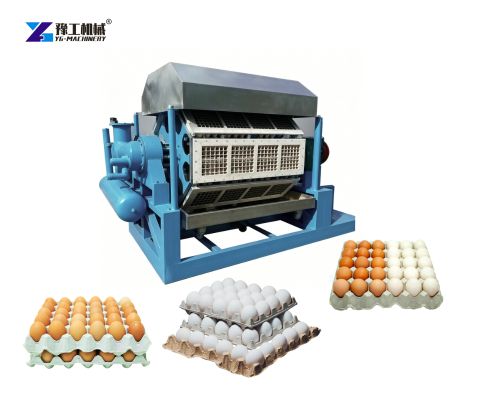
Your egg tray manufacturing machine needs a steady supply of raw materials. Waste paper is the primary input. You need to secure a reliable and affordable source before you start production. Common sources include:
- Local recycling centers
- Printing houses and paper mills (they have high-quality paper waste)
- Supermarkets (for cardboard boxes)
- Schools and offices (for waste paper and documents)
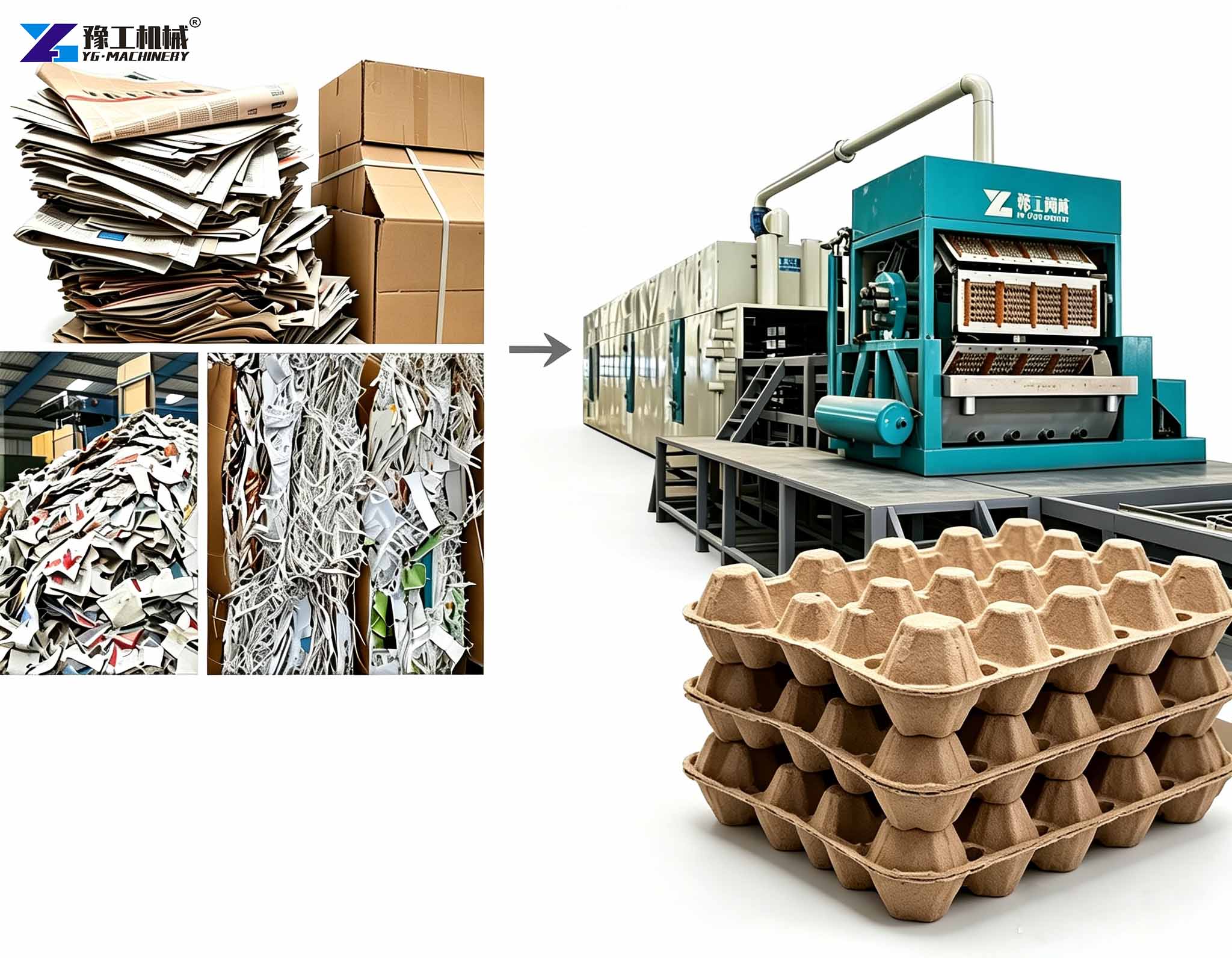
Calculate how much waste paper you need based on your machine’s capacity. For example, producing 1000 egg trays usually requires about 100-120 kg of waste paper. Make sure your supply chain can meet this demand consistently. The cost and availability of raw materials can greatly affect your profitability.
Planning Your Production Workshop
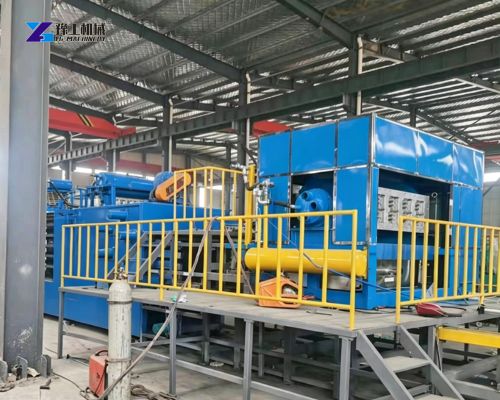
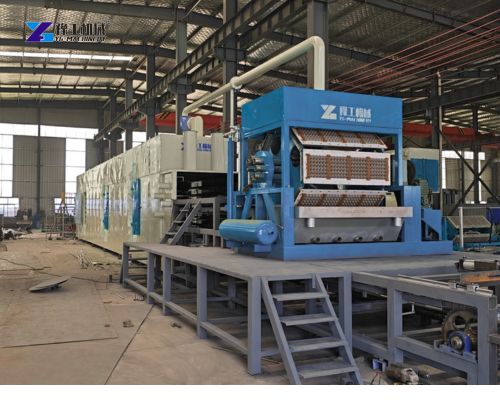
The physical space for your egg tray production machine is another critical factor. Your workshop needs to accommodate the machine, raw materials, and finished goods. It also needs to fit your chosen drying system. Here are the key space requirements:
- Machine Area: This is where your egg tray manufacturing machine sits. It needs a solid, level floor. Allow space around the machine for maintenance and operation.
- Pulping Area: You need space for the hydrapulper, pulp tanks, and pumps. This area can be messy, so good drainage is important.
- Drying Area: The drying method you choose will determine how much space you need.
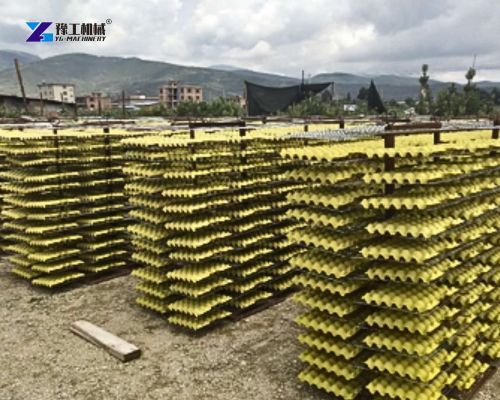
- Natural Drying: This needs a very large yard, either outdoors or in a greenhouse. Sunlight and air circulation are crucial.
- Brick Kiln Drying: This requires space for a long drying tunnel. It is more compact than natural drying but needs a heat source.
- Metal Drying: This is the most space-efficient method. The dryer is compact and integrated with the production line.
- Storage Area: You need a dry, covered area to store your raw materials (waste paper) and your finished products.
Good planning of your workshop layout ensures a smooth workflow. It minimizes the movement of materials and workers, which increases efficiency. You should also ensure easy access to water and electricity.
Share Your Workshop Size – We’ll Help You Plan the Layout
Making Smart Choices For Your Business
Choosing the right egg tray production machine involves many decisions. Beyond capacity, you need to think about automation, drying, and after-sales support. These choices impact your daily operations and long-term costs.
Automation: Balancing Cost And Labor
The level of automation in your egg tray manufacturing machine is a key decision. More automation means less manual labor, but the initial cost is higher. Here is a breakdown:
- Manual & Semi-Automatic: These machines require more workers. For a 4-side machine, you might need 2-3 operators. For an 8-side machine, you may need 4-6 people. They are cheaper to buy but can have higher labor costs over time.
- Fully Automatic: These systems use a PLC (Programmable Logic Controller) to run. They need fewer workers, mainly for monitoring and maintenance. The initial investment is higher, but the long-term savings on labor can be significant. Automatic systems also offer more consistent product quality.
Consider the cost of labor in your area. If labor is expensive, a fully automatic egg box making machine is a wise investment. If labor is cheap, a semi-automatic option might be more cost-effective.
Drying: The Key To Quality And Speed
Drying is a crucial step. The method you choose affects the quality of your trays and the speed of production. Let’s compare your options:
| Natural Drying | Slow (1-2 days) | Very Large | Very Low | Small outputs, sunny climates |
| Brick Kiln Drying | Medium | Large | Medium | Medium to large outputs, traditional setups |
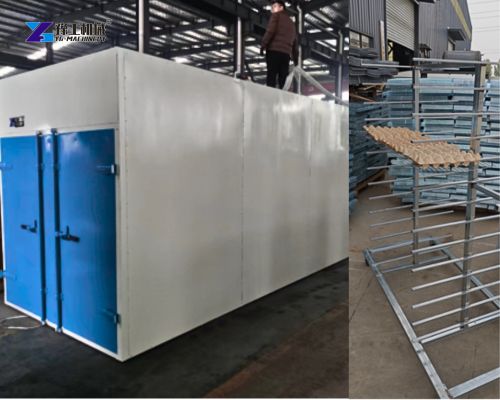
| Multi-layer Metal Drying | Fast (20-30 mins) | Compact | Higher | Large outputs, all climates, high efficiency |
For a modern and efficient setup, a metal drying system is often the best choice. It ensures consistent drying regardless of the weather. This is very important for maintaining a steady supply to your customers. Your egg crate making machine will produce better quality products with a reliable drying system.
Compare Drying Systems – Get Expert Advice for Your Climate
Understanding Key Machine Components
Your egg tray manufacturing machine is made of several critical parts. Understanding them helps you maintain the machine and ensure its longevity:
- The Mold: This is the core of your egg tray production machine. Molds are usually made from aluminum or plastic with a stainless steel mesh. The mesh is a consumable part that you will need to replace occasionally. Always keep spare meshes in stock.
- The Vacuum Pump: This part creates the suction that forms the tray. It also removes water from the pulp. A high-quality vacuum pump is essential for efficient production. Check its performance regularly.
- The Air Compressor: This provides the air blast that releases the wet tray from the mold. Proper air pressure is needed to prevent trays from tearing.
- The Cleaning Device: An automatic cleaning system is a valuable feature. It cleans the mold after each cycle, preventing build-up and ensuring each tray is perfect.
Choosing a machine with a robust warranty is a wise move. Many reputable manufacturers offer a one-year warranty on the whole machine and a longer warranty on key parts like the mold and main bearings. This protects your investment and gives you peace of mind.
Operations And Troubleshooting
Once your egg tray manufacturing machine is installed, the real work begins. Smooth operations depend on good daily practices. You also need to know how to handle common issues quickly.
Daily Operation And Maintenance
A well-maintained egg tray production machine runs efficiently and lasts longer. Here is a simple daily checklist for your operators:
- Check the Pulp: Ensure the pulp consistency is correct. Too thick or too thin pulp will cause defects.
- Inspect the Molds: Look for any wear on the mesh or damage to the mold itself. Clean any debris.
- Monitor the Vacuum and Air Pressure: Keep an eye on the gauges. If the pressure drops, it is a sign of a potential problem.
- Lubricate Moving Parts: Follow the manufacturer’s guide for lubrication. Proper lubrication reduces wear and tear.
- Clean the Work Area: A clean workshop is a safer and more efficient workshop. Keep the floor clean and dry to prevent accidents.
Regular maintenance is just as important as daily checks. Schedule a weekly or monthly inspection. This should include a more thorough check of the electrical system, bearings, and pumps. Having a maintenance log is very helpful for tracking the machine’s condition over time.
Starting Up Your First Production
Starting your egg tray manufacturing machine for the first time can be exciting. Here are some tips to ensure a smooth startup:
- Do a Dry Run: Before feeding any pulp, run the machine empty. Check that all motors, pumps, and conveyors are working correctly.
- Prepare the Pulp: Mix your pulp to the right consistency. This is a learned skill, so start with a standard recipe.
- Start Slow: Begin production at a slower speed. This lets you check the quality of the trays as they are formed.
- Check the Dryer: If you are using a metal dryer, set the temperature to the correct level. Let it heat up fully before putting wet trays through.
- Inspect the First Batch: The first trays produced might not be perfect. Adjust the pulp consistency or machine settings until you get the quality you want.
Be patient. It may take some time to get everything dialed in perfectly. Keep a record of the settings that work best. This will be a valuable reference for your operators.
Building A Successful Operation
Your egg tray manufacturing machine is a tool. Your success comes from how you use it. Here are some simple rules to follow:
- Know Your Market: Who will buy your trays? Egg farms, packaging companies, and grocery stores are your main customers.
- Ensure Quality: Make sure your trays are clean, strong, and consistent. Good quality builds a good reputation.
- Manage Your Costs: Keep track of your raw material, labor, and energy costs. Finding ways to reduce these increases your profit.
- Stay Safe: Train your staff on safety procedures. A safe workplace is a productive workplace.
Starting an egg tray business is a solid business opportunity. The demand for egg packaging is constant. With careful planning, a good egg tray manufacturing machine, and hard work, you can build a successful and sustainable manufacturing business. Remember, the goal is to turn a simple raw material—waste paper—into a valuable product.
Ready to Build Your Egg Tray Business – Get a Complete Project Proposal
Turn Your Plan Into Production – Talk to Us Today
Choosing the right egg tray manufacturing machine is the first step to a successful business. We are here to guide you from planning to full operation.