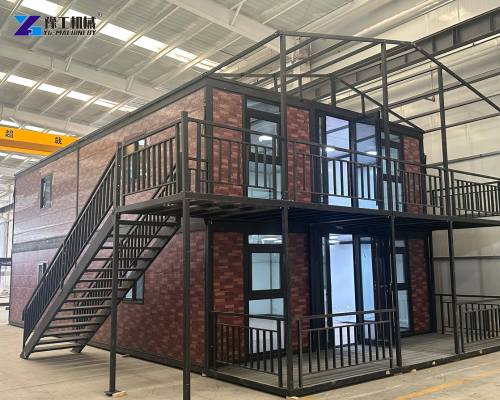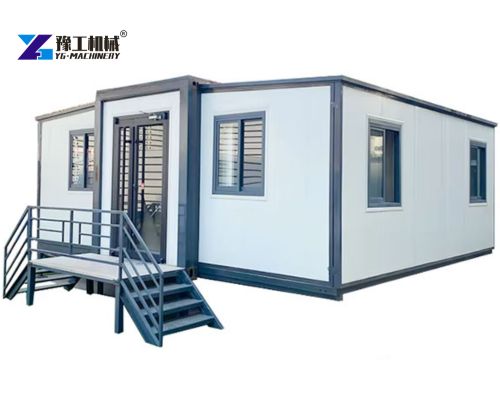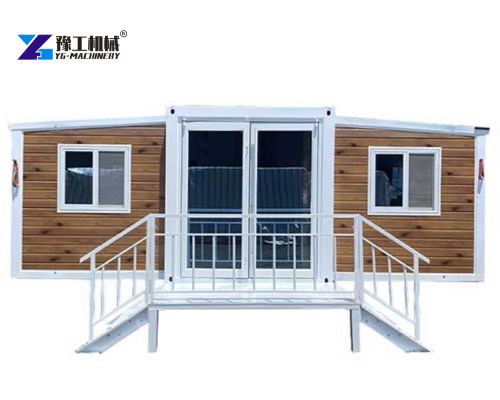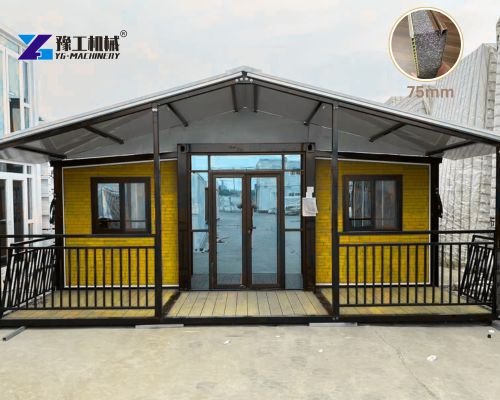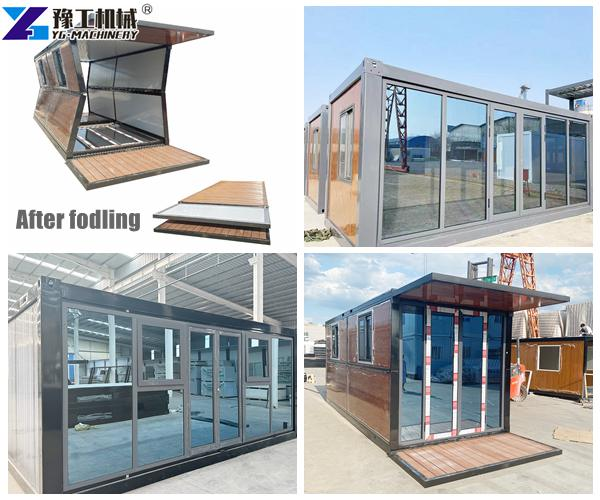
A container dormitory is a living space built from a shipping container frame. It is designed to house workers, students, or staff in remote or temporary locations. The structure uses a steel frame with insulated wall panels. Inside, it has beds, lighting, power outlets, and sometimes a private bathroom.
A container dormitory is different from a regular shipping container. The walls are insulated to keep the interior comfortable in hot or cold weather. The windows and doors are installed at the factory. This means the unit is ready to use as soon as it is placed on site.
There are two main types of container dormitories. The standard type ships as a complete unit. The folding type folds flat for cheaper shipping. Both are popular choices for modular temporary housing.
YG Multi-layer Container Dormitory Specifications-OEM Support
When you choose a container dormitory, check these specifications carefully. They determine how comfortable and durable the unit will be.
| Specification | Standard Unit | Detail |
| External Size (20ft) | 5900 x 6260 x 2480 mm | Approx. 18m² floor area |
| External Size (40ft) | 1180 x 61600 x 2480 mm | Approx. 23m² floor area |
| Wall Panels | 50mm thick sandwich panel | Steel sheets + insulation core |
| Insulation Core | EPS, Rockwool, or PU foam | Rockwool is fireproof (Class A) |
| Frame Material | Galvanized steel | Q235B or equivalent |
| Flooring | Vinyl composite or plywood | 18mm thick |
| Roof Bearing | 0.5-1.0 kN/m² | For snow loads |
| Seismic Grade | Up to Level 8 | Important for earthquake zones |
| Wind Resistance | Up to Level 10 | For coastal areas |
The 50mm thick insulated panels are important for temperature control. In hot climates, they keep the interior cooler. In cold climates, they keep the warmth inside. For mining camps or high-altitude projects, a rockwool core offers better fire protection.
5 Main Applications of Modular Temporary Housing
Container dormitories are used in many industries. Here are the most common use cases for modular temporary housing:
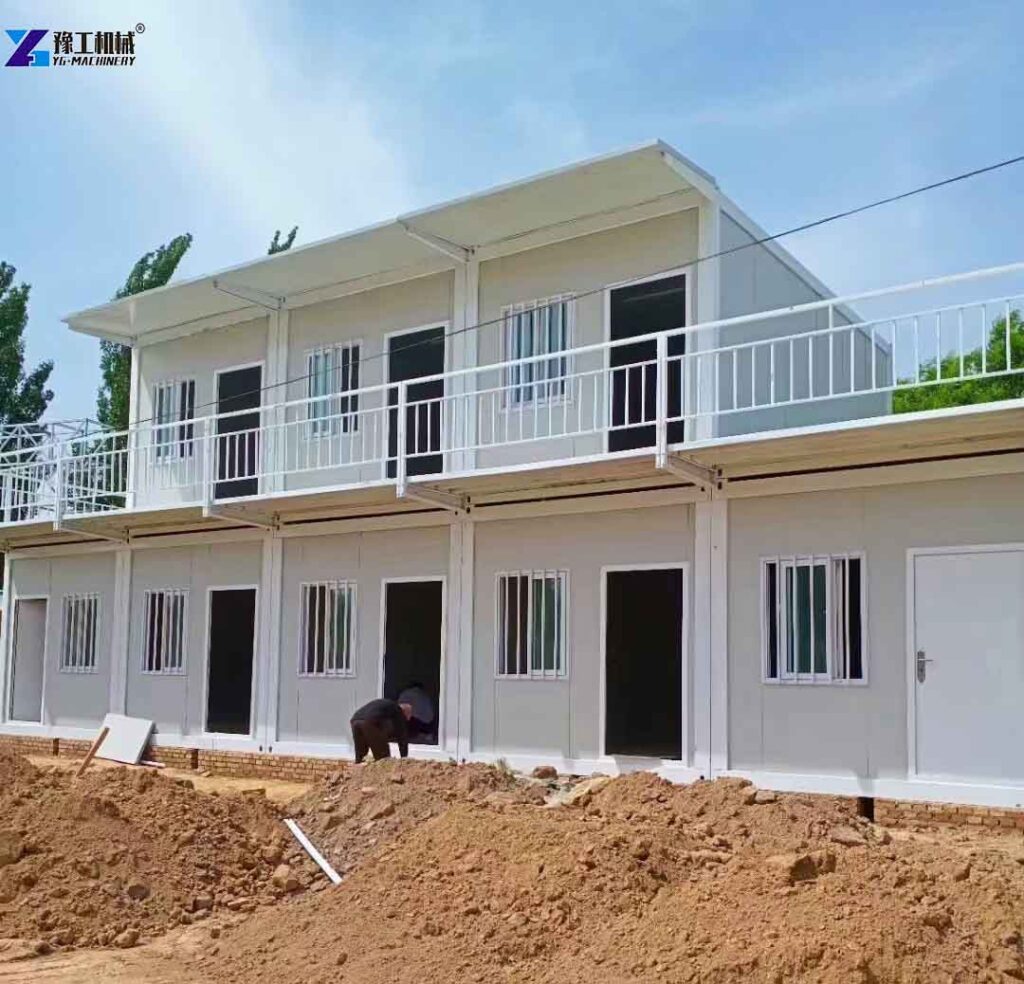
- Construction Sites – Workers need a safe place to sleep near the project. Container dorms can be set up quickly on site. They can be moved when the project is complete.
- Mining and Oil Fields – These locations are often far from cities. Container van dormitory units provide comfortable housing for crews working long shifts.
- Student Housing – Some schools use container dorms to handle growing enrollment. They are faster to build than traditional dorms and cost less. A project in the US used 36 containers to house 54 students.
- Disaster Relief – After earthquakes or floods, people need shelter fast. Folding container dormitories can be shipped in large quantities and assembled in 30 minutes.
- Remote Project Camps – Infrastructure projects like roads, pipelines, and railways need temporary worker housing. Container dorms are portable and reusable.
For construction sites, a 4-person unit with two bunk beds and a private bathroom is a common choice . For student housing, single rooms with shared common areas work better.
Types of Container Dormitories: Choose the Right One
There are several types of container dormitories. Each has its own benefits.
1. Standard Detachable Unit
This type ships as a complete box. It is ready to use after placement. Installation requires a crane. The unit can be stacked up to three floors high. Service life is typically 5-8 years.
2. Folding Container Dormitory
This type folds flat for transport. The folded height is about 41cm. A 40ft shipping container can hold 10-12 folded units. On-site assembly takes about 30 minutes with a crane and 2 workers. Unfolding the unit creates a full-size living space. This is a great choice for prefab temporary housing that needs to be moved often.
3. Expandable Unit
This type expands on site to create more floor space. A 40ft unit can fold out to about 6.8m x 6m and sleep 8 persons.
| Type | Shipping Volume | Assembly Time | Best For |
| Standard | Full container size | 1-2 days | Long-term camps |
| Folding | 41cm folded height | 30 minutes | Frequent relocation |
| Expandable | Standard 40ft size | 1-2 hours | Maximizing floor space |
6 Features that Make a Container Dormitory Comfortable
A good container dormitory should have these features:
- Insulated Walls – 50mm or thicker panels with steel outer layers. EPS is cost-effective. Rockwool is fire-resistant. PU foam offers the best thermal performance.
- Durable Flooring – Vinyl composite or magnesium oxide board. It should withstand foot traffic and cleaning.
- Pre-installed Electricals – LED lights, power outlets, and switch panels installed at the factory. This saves time on site.
- Secure Doors and Windows – Steel entry doors with locks. Windows with fly screens for ventilation.
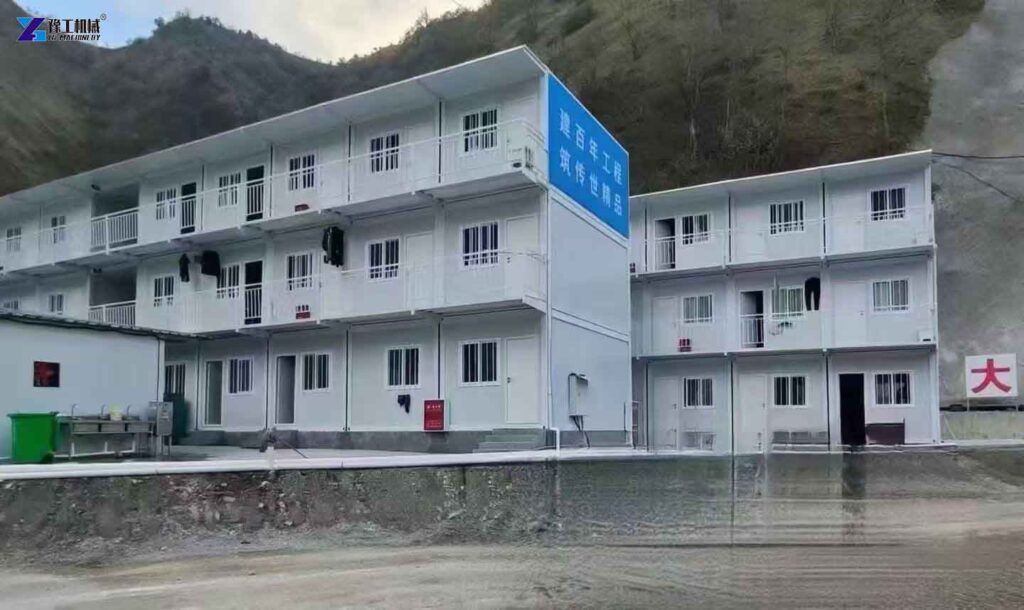
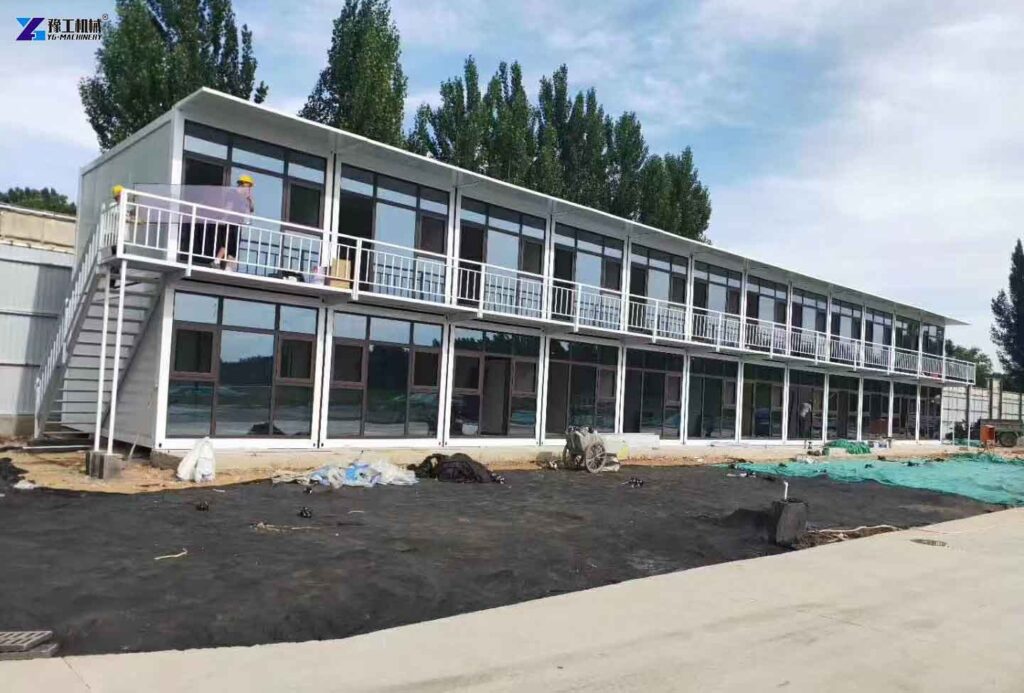
- Stacking Capability – The frame should allow stacking to save ground space. Multi-storey container complexes can house dozens of workers.
- Furniture Options – Bunk beds, mattresses, lockers, and worktables can be included. This makes the unit move-in ready.
For worker housing, a private bathroom (toilet, sink, shower) is a valuable feature. It saves time in the morning and provides privacy.
Installation and Setup: How Fast Can You Deploy?
Installation speed is a key advantage of a container dormitory.
For a standard unit:
- Prepare a level foundation (concrete slab or gravel pad).
- Use a crane to position the unit on the foundation.
- Connect water and electricity to the pre-installed utility points.
- The unit is ready for occupancy within a few hours.
For a folding unit:
- Unload the folded unit from the shipping container using a forklift.
- Use a crane to lift and unfold the unit.
- Tighten the connecting bolts (about 8 screws).
- Connect utilities.
- Assembly takes about 30 minutes with two workers.
Folding container dormitories are especially popular for prefab temporary housing because they reduce shipping costs. A standard 40ft container can carry 6 flat-pack units, but 10-12 folding units. This means lower logistics costs for large projects.
Frequently Asked Questions
1. What is a container dormitory?
A container dormitory is a living space built from a shipping container frame with insulated walls, windows, doors, and interior fittings. It is used for worker housing, student housing, and emergency shelter.
2. How many people can sleep in a container dormitory?
A 20ft unit typically sleeps 2-4 people. A 40ft unit can sleep 4-8 people. Custom layouts can fit more or fewer beds depending on your project needs.
3. Can container dormitories be stacked?
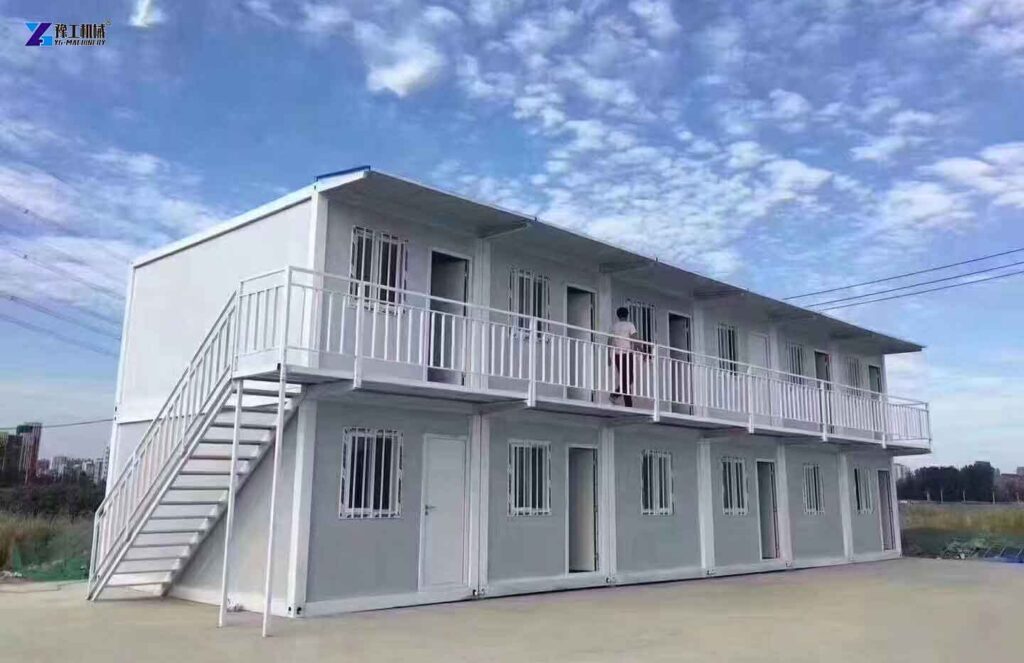
Yes. Most units are designed for stacking up to 2 or 3 floors. This saves space on crowded sites. Staircases and corridors can be added for multi-storey layouts .
4. How long does a container dormitory last?
With proper maintenance, a container dormitory can last 5-8 years or more. The steel frame and insulated panels are durable. Regular checks on doors, windows, and electricals extend the service life.
5. Do you ship internationally?
Yes. We ship worldwide. For folding units, we can pack 10-12 units in a 40ft container. For standard units, shipping is calculated per unit. Contact us with your project details for a shipping quote.