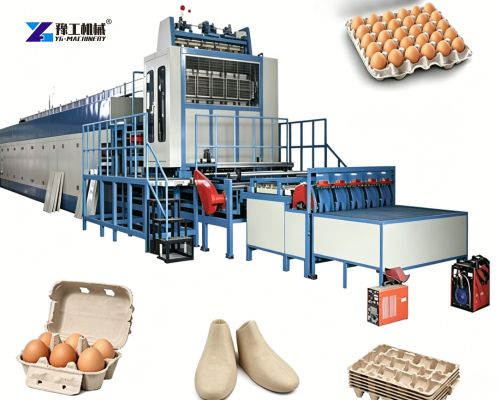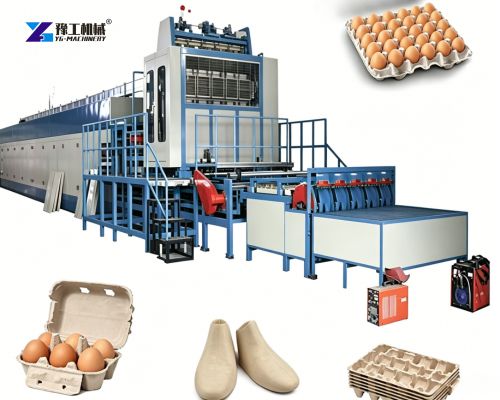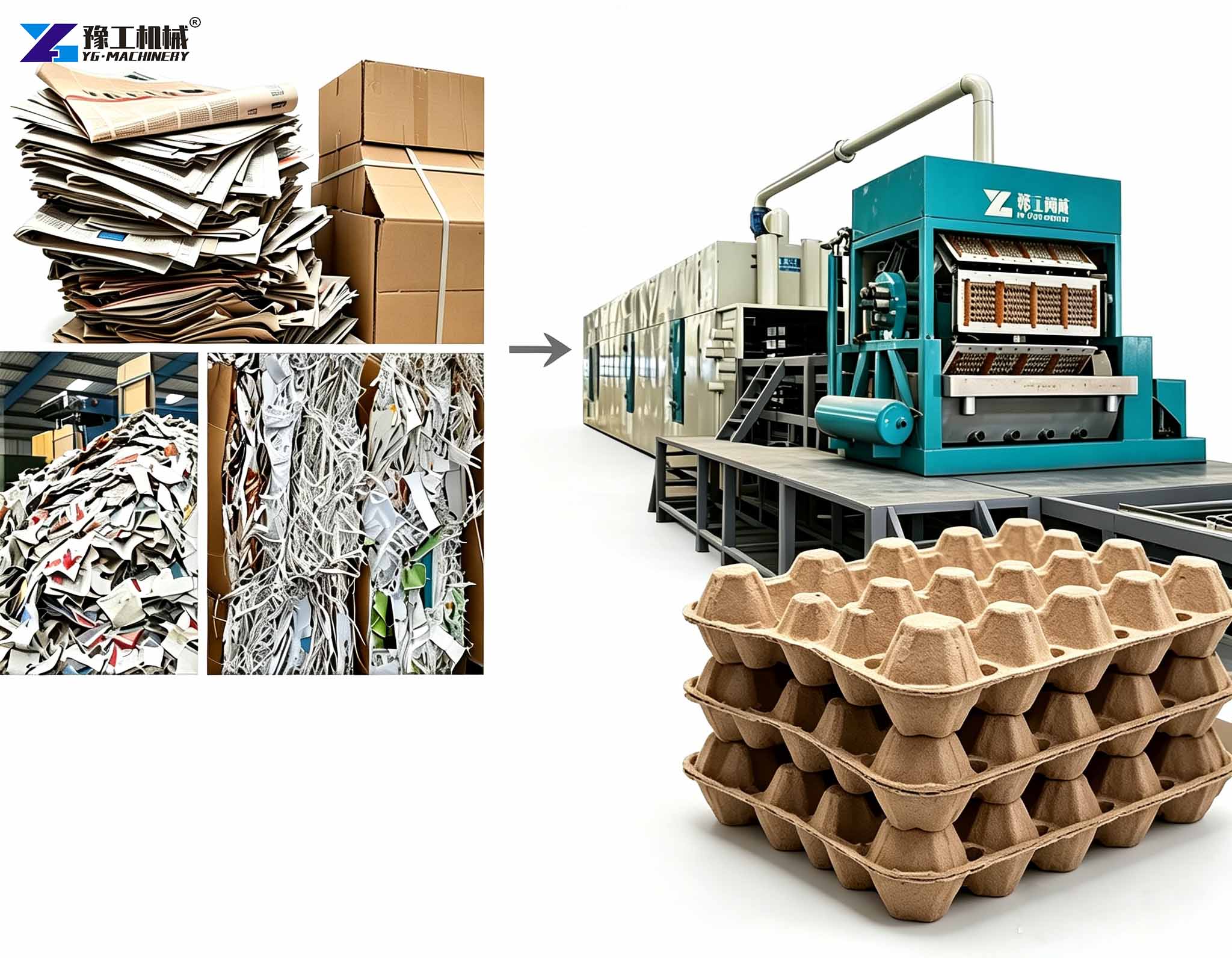
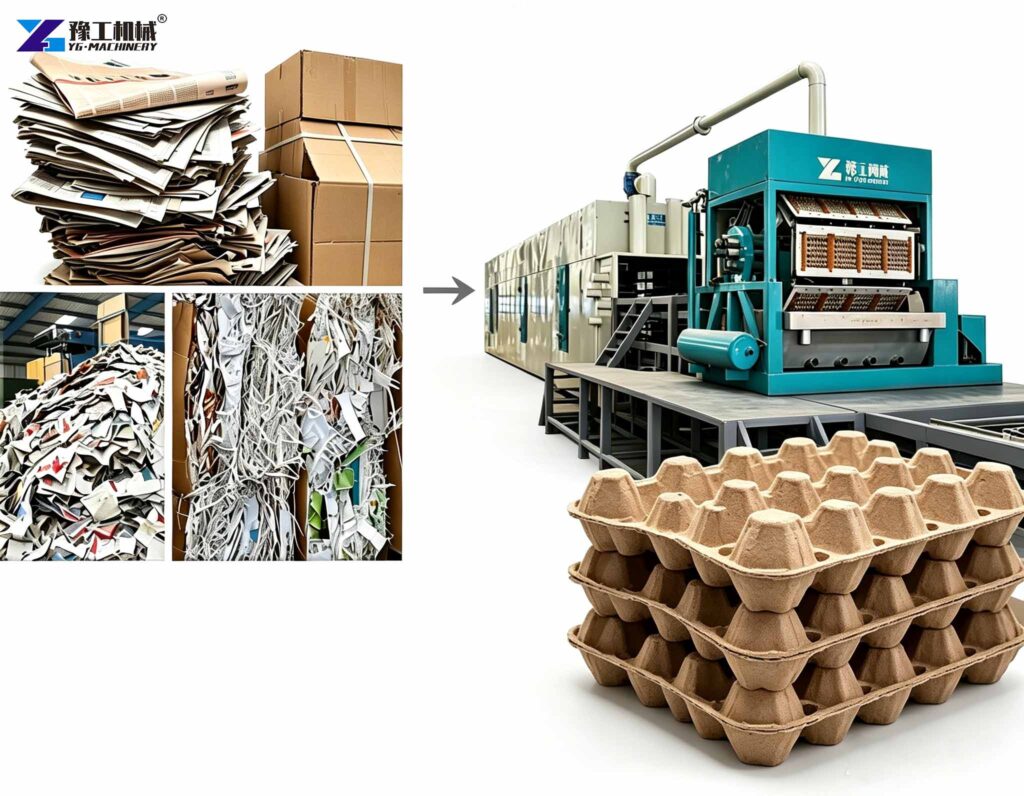
Waste paper is often treated as low-value material, but egg tray machines can turn it into useful molded pulp packaging. By combining pulping, forming, transfer, and drying, these machines produce egg trays from newspapers, cartons, and other recyclable paper. For poultry farms, recycling companies, and packaging suppliers, this process can reduce dependence on purchased packaging while creating a marketable product from locally available materials. 【WhatsApp/WeChat/Skype/Phone】+86 159 3715 2330
Request Egg Tray Machines Pricing
Why Egg Tray Machines Are Used for Waste Paper Recycling
The basic idea is simple: waste paper becomes pulp, pulp becomes molded packaging, and molded packaging becomes a sellable product.
This makes egg tray production attractive to businesses that have access to low-cost waste paper. Common raw materials include:
- Old newspapers
- Waste cartons and cardboard
- Office paper
- Paper mill waste
- Other suitable recycled paper fibers
The finished trays are lightweight, stackable, recyclable, and suitable for protecting eggs during handling and transportation.
For buyers, the key advantage is not simply recycling. It is the ability to turn an inexpensive raw material into a standardized packaging product.
How an Egg Tray Making Machine Converts Paper into Trays
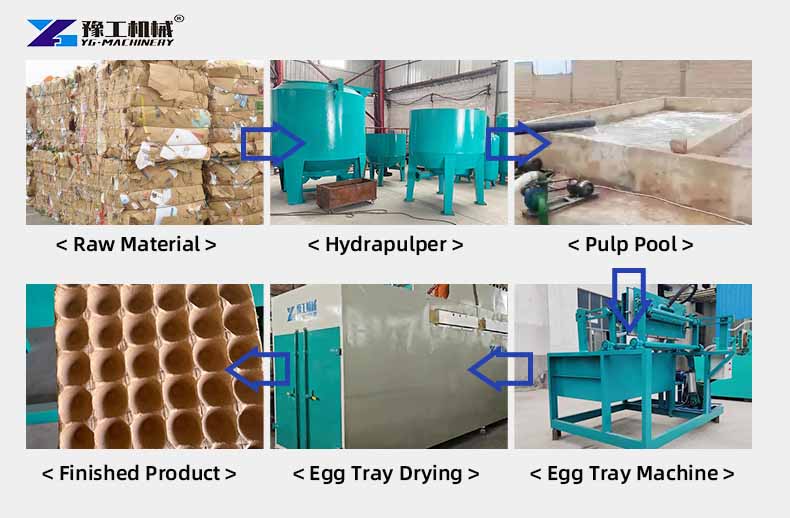
An egg crate making machine normally works through several connected stages.
1. Pulping
Waste paper is mixed with water inside a hydrapulper. Mechanical action breaks the paper down into individual fibers and produces a pumpable pulp mixture.
2. Screening and Refining
The pulp is screened to remove unwanted materials. Refining helps create a more consistent fiber mixture for molding.
3. Pulp Molding
The prepared pulp enters the forming section. A vacuum draws pulp fibers onto the egg tray mold, creating the shape of the tray.
4. Transfer
A transfer mold removes the wet tray from the forming mold and places it onto a conveyor, rack, or drying system.
5. Drying
The molded trays still contain considerable moisture after forming. Depending on the project, buyers can select natural drying, trolley drying, brick kiln drying, or multi-layer hot-air drying.
6. Stacking
After drying, finished trays are collected, stacked, inspected, and prepared for storage or delivery.
Waste Paper → Pulping → Screening → Molding → Transfer → Drying → Stacking
This complete workflow is why buyers should evaluate the entire production line, rather than purchasing only the forming machine.
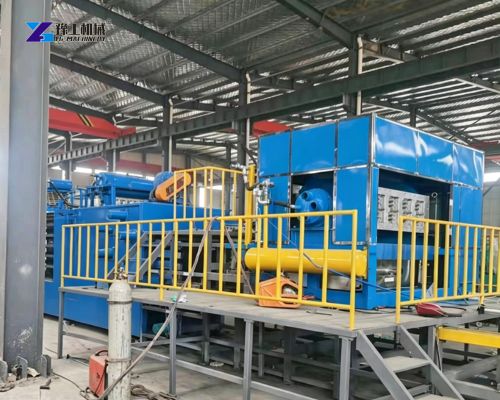
What an Egg Tray Molding Machine Actually Does
The core function of an egg tray molding machine is to transform wet pulp into a consistent three-dimensional product.
During forming, vacuum pressure pulls the pulp fibers onto the mold surface. The mold determines the number, shape, and arrangement of egg cells.
A good result depends on several factors:
- Pulp consistency
- Fiber quality
- Mold design
- Vacuum performance
- Forming cycle
- Drying conditions
For example, if the pulp is too diluted, the tray may be too thin. If the fiber mixture is inconsistent, some areas of the tray may be weaker than others.
This is why buyers should ask the manufacturer about raw-material testing and mold compatibility before placing an order.
Ask YG to Recommend the Right Mold
Egg Tray Machines: Capacity and Production Options
YG offers several production configurations for different output requirements. Current published specifications range from 1,500 to 7,000 pcs/h across the listed models.
| Model | Capacity | Power | Paper Consumption | Water Consumption |
|---|---|---|---|---|
| YG-1500–4X1 | 1,500 pcs/h | 38 kW | 120 kg/h | 240 kg/h |
| YG-2500–3X4 | 2,500 pcs/h | 55 kW | 200 kg/h | 400 kg/h |
| YG-3000–4X4 | 3,000 pcs/h | 60 kW | 240 kg/h | 480 kg/h |
| YG-4000–4X8 | 4,000 pcs/h | 95 kW | 320 kg/h | 640 kg/h |
| YG-5000–5X8 | 5,000 pcs/h | 95 kW | 400 kg/h | 800 kg/h |
| YG-7000–6X8 | 7,000 pcs/h | 120 kW | 480 kg/h | 960 kg/h |
These figures are machine specifications rather than guaranteed daily output. Actual production can change according to mold configuration, pulp condition, drying method, product size, and operating efficiency.
For example, a 3,000 pcs/h machine has a theoretical output of 24,000 trays during an 8-hour shift. At 90% effective production time, the practical calculation would be about 21,600 trays per shift.
This is a more useful way to estimate capacity than simply looking at the maximum catalog number.
Request a Production Capacity Calculation
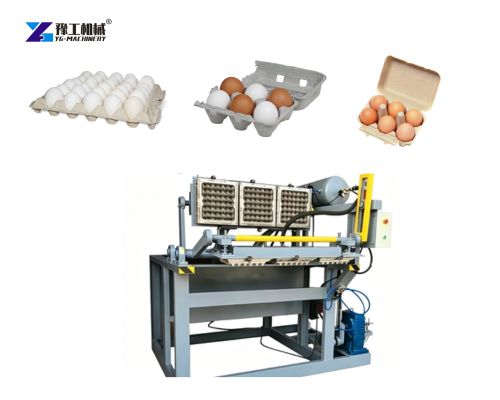
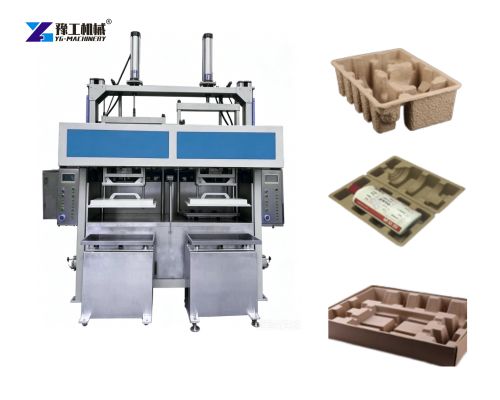
Where Egg Tray Machines Create Business Value
The equipment can be used by several types of businesses.
Poultry Farms
Large poultry farms can manufacture their own trays instead of relying entirely on outside suppliers. This can help stabilize packaging availability.
Egg Packaging Companies
Packaging companies can produce trays in bulk and supply poultry farms, wholesalers, and distributors.
Recycling Businesses
Recycling companies can add a downstream production process and convert waste paper into a finished packaging product.
Fruit Packaging Producers
By changing molds, the same pulp molding technology can also be used for fruit trays and other protective packaging.
Industrial Packaging
Molded pulp can also be used for certain cushioning and protective packaging applications, depending on the mold and product requirements.
The important point is to identify your target products and customers before selecting the machine configuration.
How to Choose the Right Egg Tray Making Machine
Choosing the largest machine is not always the right approach. Start with your actual business requirements.
1. Calculate Your Required Output
Estimate your expected orders per day and month. Then select a machine with reasonable production capacity and some room for future growth.
2. Check Your Waste Paper Supply
A high-capacity machine needs a reliable supply of suitable paper. Compare local paper availability and purchasing costs before investing.
3. Compare Drying Methods
Drying can strongly affect production speed, energy consumption, and factory space.
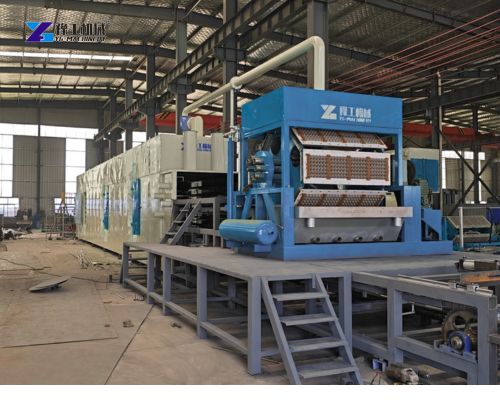
Natural drying may work for smaller operations in suitable climates. Automatic multi-layer drying is more suitable when continuous production and faster drying are important. YG lists several drying options for its egg tray production lines.
4. Confirm Mold Requirements
If you plan to produce different tray designs or molded pulp products later, ask whether additional molds can be installed.
5. Check Factory Conditions
Before ordering, confirm:
- Available workshop area
- Electricity supply
- Water supply
- Drying space
- Labor availability
- Transportation access
Get a Customized Egg Tray Production Line Plan
Why Buy Egg Tray Machines from a Manufacturer?
For overseas buyers, purchasing the forming machine is only one part of the project.
A manufacturer can help match the equipment to your capacity, raw materials, tray design, drying method, and factory conditions.
YG’s published equipment information includes complete production solutions covering pulping, forming, drying, and related equipment. The company also provides layout planning, installation guidance, operator training, and spare-parts support for overseas projects.
Before requesting a quotation, prepare your target output, tray type, raw material, working hours, and destination country. This gives the manufacturer enough information to recommend a practical configuration.
FAQ About Egg Tray Machines
1. What raw materials can Egg Tray Machines use?
Common materials include waste newspapers, cardboard, office paper, and other suitable recycled paper. The exact raw material should be tested because fiber quality affects pulp performance and final tray strength.
2. How many egg trays can an Egg Tray Machine produce per hour?
It depends on the model and production configuration. YG’s published models range from 1,500 to 7,000 pcs/h, while actual output depends on operating conditions.
3. Do egg tray machines need a drying system?
Yes, molded trays need to be dried after forming. Depending on the production scale and local conditions, buyers can consider natural drying, trolley drying, kiln drying, or automatic multi-layer drying.
4. Can one machine produce different molded pulp products?
Yes, suitable machines can use different molds to produce products such as egg trays, fruit trays, and other molded pulp packaging. Mold compatibility should be confirmed before purchasing.
5. How do I choose the right Egg Tray Machine?
Start with required output, available raw materials, tray specifications, drying method, factory space, power supply, and automation level. Then ask the manufacturer to calculate the complete production configuration.
Conclusion
Egg Tray Machines provide a practical way to turn waste paper into useful packaging products. The process combines recycling with pulp molding, creating trays that can be supplied to poultry farms, packaging companies, and other businesses.
For buyers, the most important decision is not simply machine capacity. Consider the complete production process, including pulping, molding, drying, energy use, raw materials, molds, and future demand.