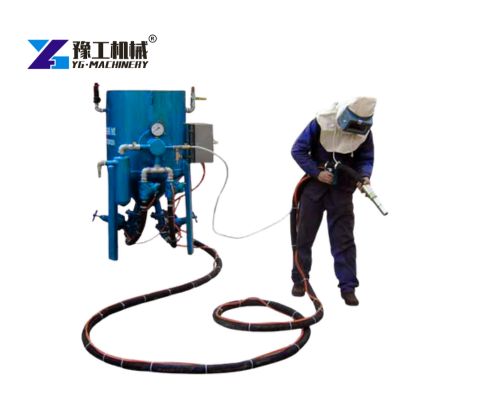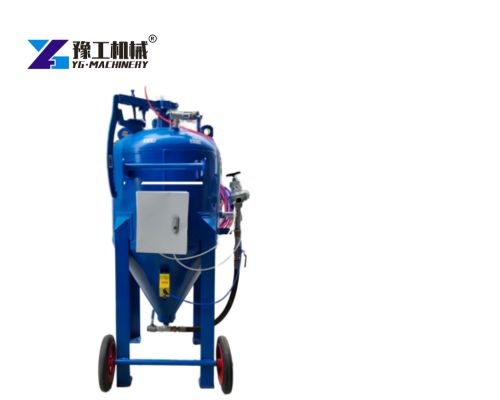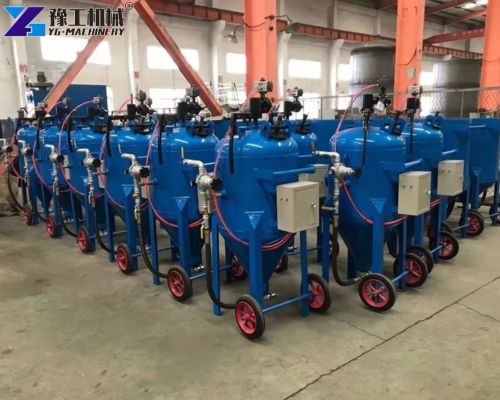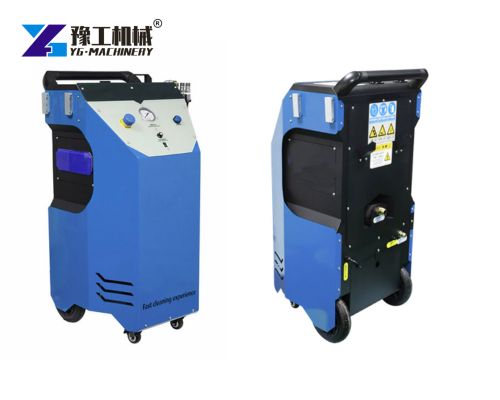
Portable sandblasting equipment helps you remove rust, paint, and scale quickly. These machines use compressed air to blast abrasive media at high speed. The impact cleans and prepares surfaces for new coatings. A portable sandblasting equipment unit is easy to move between job sites. You can take it to workshops, construction sites, or outdoor locations.
Most units work with standard air compressors. They are simpler to set up than large stationary systems. For automotive repair, building maintenance, and metal restoration, portable sandblasting equipment offers a practical solution. It handles tough cleaning jobs without needing a permanent workshop setup.
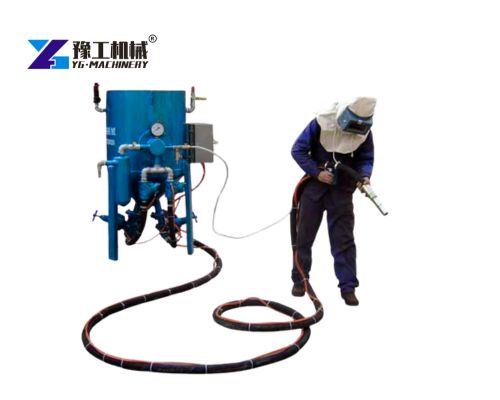
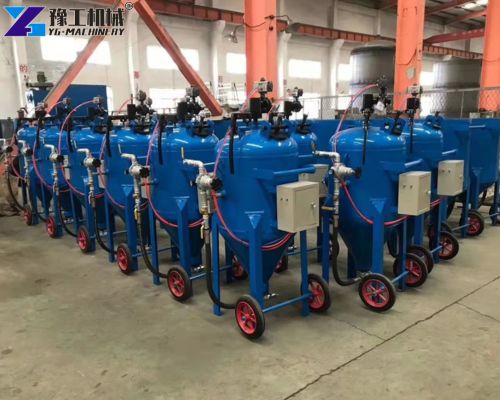
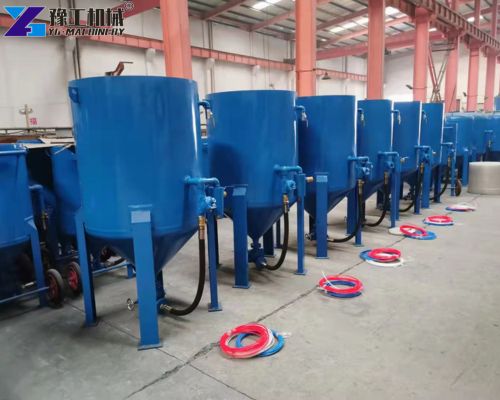
Portable Sand Blaster Machine Specifications
| Model | Tank Diameter (mm) | Tank Height (mm) | Plate Thickness (mm) | Volume (L) | Abrasive Capacity (kg) | Air Requirement (m³/min) |
| YG-400 | 400 | 1100 | 5 | 100 | 150-200 | 2-3 |
| YG-500 | 500 | 1200 | 5 | 150 | 250-300 | 3-4 |
| YG-600 | 600 | 1350 | 6 | 250 | 400-500 | 4-6 |
| YG-700 | 700 | 1500 | 6 | 400 | 600-800 | 6-8 |
| YG-800 | 800 | 1600 | 6 | 600 | 900-1100 | 8-10 |
| YG-900 | 900 | 1700 | 8 | 800 | 1200-1500 | 10-12 |
| YG-1200 | 1200 | 1900 | 8 | 1500 | 2000-2500 | 15-20 |
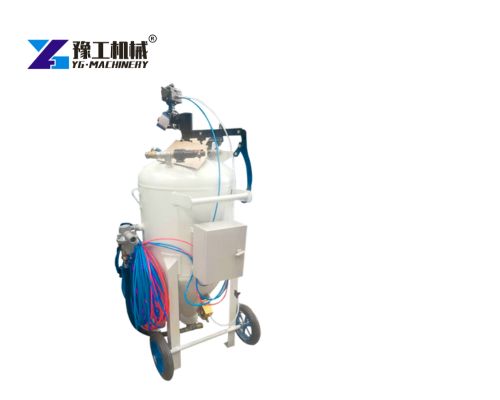
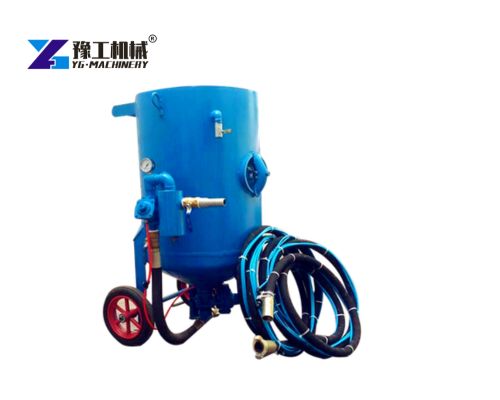
How a Portable Sandblaster Works
Portable sandblasting equipment uses two main methods: pressure blasting and siphon feeding. Pressure blasters are 3 to 5 times faster than siphon units. They pressurize the tank with air and media. When you open the valve, the mixture blasts out with great force.
The small sandblasting machine uses a gun or nozzle to direct the blast. You aim the nozzle at the surface you want to clean. The abrasive media hits the surface and removes rust, paint, or dirt. Gravity-feed designs keep media flowing steadily. This makes the small portable sand blaster easy to control.
Applications for Portable Sandblasters
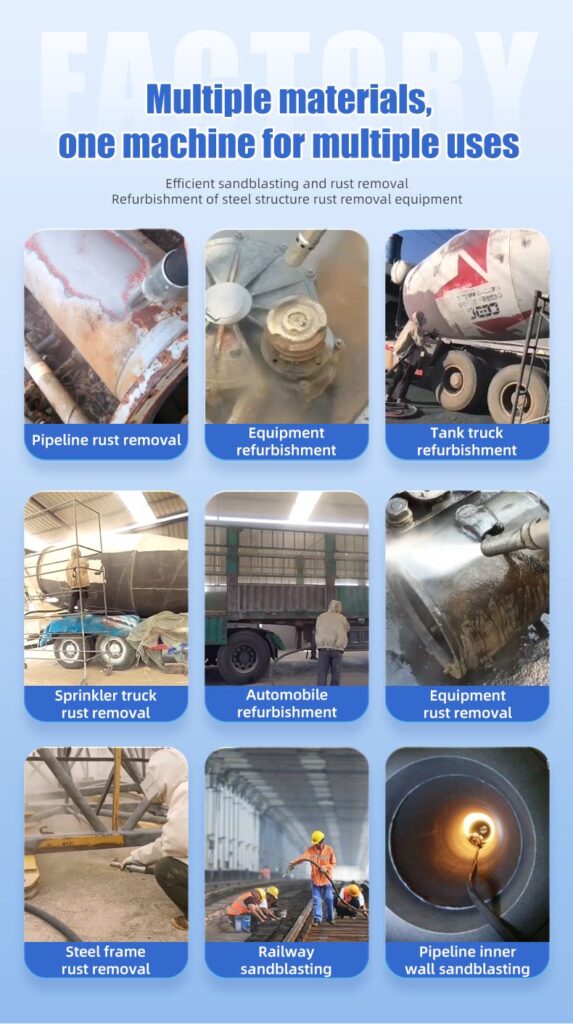
Portable sandblasting equipment works on many materials and surfaces. Here are common uses for this equipment.
Typical Jobs for Portable Sandblasting Equipment
- Automotive Repair: Clean rust from car frames, chassis, and body panels. Prepare surfaces for paint or coating .
- Industrial Maintenance: Remove corrosion and scale from equipment and structures .
- Graffiti Removal: Clean metal, concrete, and stone surfaces .
- Marine Refinishing: Prepare boat hulls and marine parts for new coatings .
- Glass Etching: Create designs on glass surfaces .
A portable sandblasting equipment unit is versatile. It cleans metal, concrete, wood, and even plastic surfaces . This makes it a valuable tool for many trades.
Compatible Abrasive Media Types
You can use various media with portable sandblasting equipment. The right media depends on your surface and job type. Here are common options.
Abrasive Media Choices
- Glass Beads: Good for cleaning without damaging the base material. Works well on aluminum and fiberglass.
- Steel Grit: Aggressive cleaning for heavy rust and scale removal. Best for steel surfaces.
- Aluminum Oxide: Hard and sharp. Works for etching and aggressive cleaning.
- Walnut Shells: Soft media for delicate surfaces. Used for cleaning wood and engine parts.
- Coal Slag: Economical option for large jobs. Works on concrete and steel.
Most small portable sand blaster units work with dry media only. Make sure your abrasive is dry. Wet media can cause clogging in the nozzle.
Safety Features and Operation Tips
Operating portable sandblasting equipment requires proper safety measures. Good units include safety features to protect you.
Safety Features to Look For
- Deadman Valve: This stops media flow when you release the handle. It prevents accidental blasting.
- Dust Collection: Some units have systems to reduce airborne dust. This keeps the work area cleaner.
- Pressure Gauge: Shows you the operating pressure. Helps you stay within safe limits.
- Safety Cable: Prevents hose disconnection during operation.
Always wear proper safety gear. This includes a respirator, gloves, and eye protection. Some jobs may require a breathing air system. Check your unit’s manual for specific safety instructions.
Choosing the Right Portable Sandblaster
Picking the right portable sandblasting equipment depends on your work. Think about these factors before buying.
Selection Guide for Portable Sandblasting Equipment
- Assess Your Job Size: Small tanks (10-12lbs capacity) work for small projects. Larger tanks (50lbs+) handle bigger jobs.
- Check Your Air Compressor: Make sure your compressor can supply enough CFM. Most units need 6-25 CFM.
- Consider Portability: Look at weight and wheel design. Units with rubber wheels are easier to move.
- Evaluate Nozzle Options: Ceramic nozzles resist wear better than metal. Check nozzle size options.
- Review Media Compatibility: Some units work with all media types. Others have restrictions.
Following these steps helps you choose the best small sandblasting machine. The right choice saves time and gives better results.
Maintenance Tips for Long Life
Good maintenance keeps your portable sandblasting equipment working well. Simple care extends the life of your unit.
- Check Daily: Inspect hoses and connections for wear. Look for cracks or leaks.
- Clean After Use: Remove old media from the tank. Clean the nozzle opening.
- Use Dry Media: Store abrasive in a dry place. Wet media causes blockages.
- Replace Nozzles: Nozzles wear out over time. Replace them when you notice reduced performance.
- Check Seals: Inspect seals and gaskets for damage. Replace worn parts.
Proper maintenance prevents unexpected downtime. It keeps your small portable sand blaster ready for the next job.
Why Choose Pressure Blasting
Pressure blasting portable sandblasting equipment offers clear advantages. The tank pressurizes air and media together. This gives a more powerful blast than siphon systems.
- Faster Cleaning: Pressure blasting is 3-5 times faster.
- Better Performance: Consistent media flow for even results.
- More Media Options: Works with heavier grit materials.
- Less Clogging: Pressurized system reduces nozzle blockages.
For contractors and workshops, a portable sandblasting equipment unit with pressure blasting is a smart investment. It gets work done faster and with better quality.
FAQ – Frequently Asked Questions
1. What size air compressor do I need for portable sandblasting equipment?
Most units need a compressor with at least 5HP (6-25 CFM). Check the specific CFM requirement for your unit before buying .
2. Can I use the same portable sandblaster for different jobs?
Yes. You can switch abrasive media types to match different surfaces. Use glass beads for delicate cleaning, steel grit for heavy rust .
3. How long does a tank of abrasive last?
A 10-gallon tank gives about 15-30 minutes of continuous blasting. This depends on pressure and nozzle size.
4. What’s the difference between pressure and siphon blasters?
Pressure blasters are 3-5 times faster. They pressurize the tank, giving a stronger blast. Siphon units pull media by vacuum, which is slower.
5. Is portable sandblasting equipment safe to use indoors?
Use caution indoors. Some units have dust collection for safer operation. Always wear a respirator and ensure good ventilation.