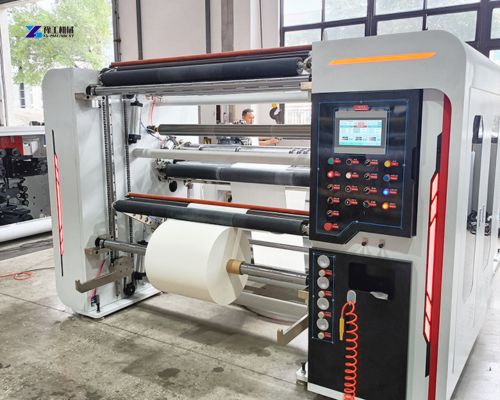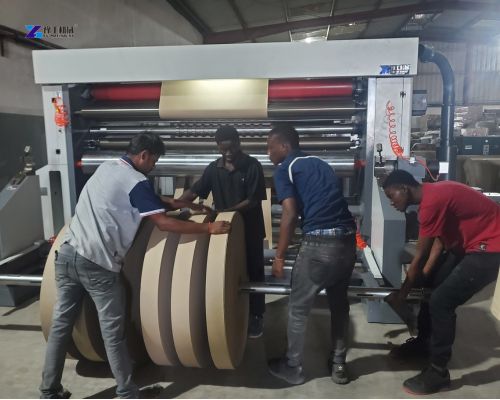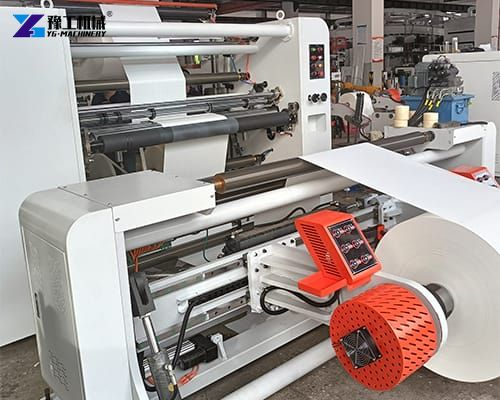
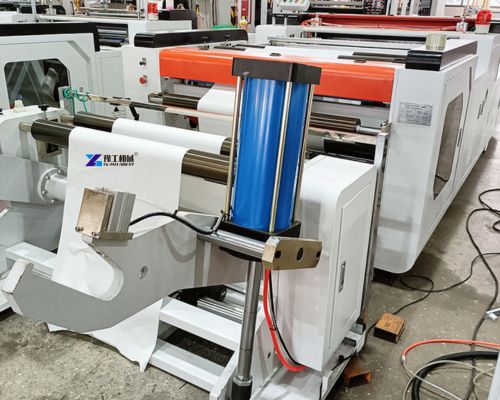
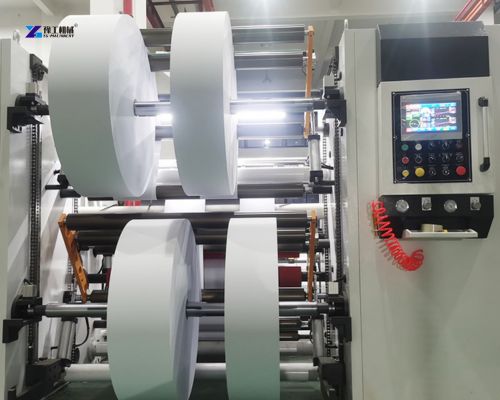
A slitter rewinder machine turns wide parent rolls into narrower, clean, and accurately wound rolls for flexible packaging and converting. For overseas buyers, the right machine is not simply the one with the highest speed. Material type, web width, slit width, tension control, rewind diameter, and cutting method all affect the final result. YG models support working widths of 1,300–1,800 mm, minimum slitting widths of 30 mm, rewind diameters up to 1,000 mm, and speeds up to 350 m/min. 【WhatsApp/WeChat/Skype/Phone】+86 159 3715 2330
Get Slitter Rewinder Machine Price
What Does a Slitter Rewinder Machine Do?
A slitter rewinder combines three main operations: unwinding, slitting, and rewinding.
A large parent roll enters the machine from the unwind section. The web is guided through rollers, divided into narrower strips by cutting blades, and then rewound onto individual cores.
The basic process is:
Jumbo Roll → Unwinding → Web Guiding → Slitting → Tension Control → Rewinding → Finished Rolls
This makes the equipment an important converting machine between large-scale material production and downstream packaging operations.
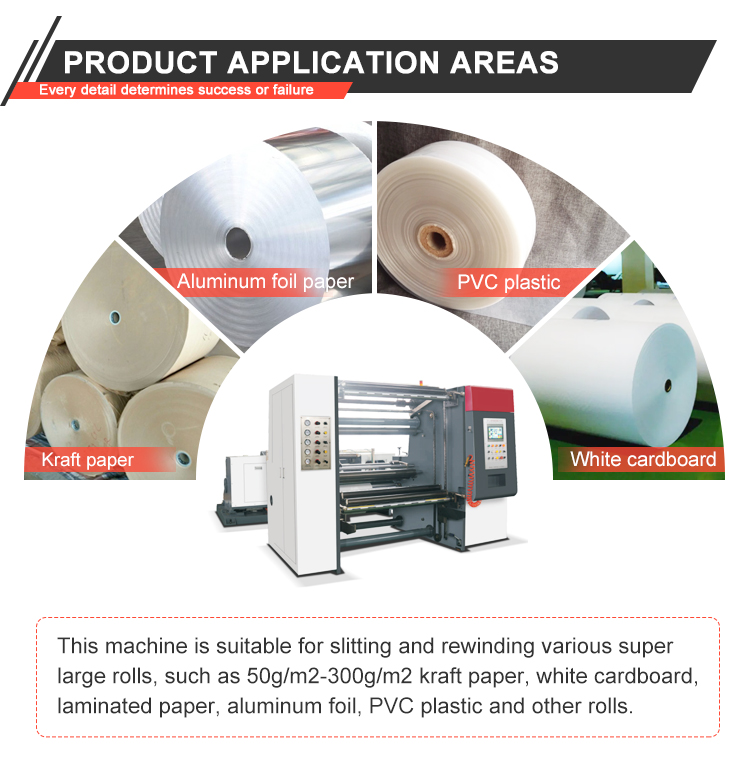
Depending on the configuration, it can process materials such as:
- Kraft paper
- Coated and thermal paper
- BOPP film
- PET film
- PVC film
- Aluminum foil
- Laminated materials
- Release paper and label stock
YG’s current paper slitting equipment supports paper, film, foil, and several specialty flexible materials.
Get a Slitter Rewinder Machine Quote
How a Slitting Line Machine Works
A modern slitting line machine needs to control more than just cutting. The material must remain aligned and under appropriate tension throughout the process.
1. Unwinding the Parent Roll
The jumbo roll is loaded onto the unwind station. The machine releases the material at a controlled speed while the tension system prevents sudden pulling or slack.
The maximum unwind diameter is an important specification because it determines what size parent rolls you can process.
2. Web Guiding and Tension Control
Before cutting, the material passes through guiding rollers and sensors.
An edge-position control system can make small corrections when the web moves away from the desired position. Proper tension also helps reduce wrinkles, stretching, and uneven winding.
3. Precision Slitting
The web then reaches the cutting station.
Different materials may require different cutting methods. Shear cutting is suitable for many thicker materials, while razor slitting can be used for thinner films and flexible webs.
Blade condition and positioning directly affect edge quality.
4. Rewinding the Finished Rolls
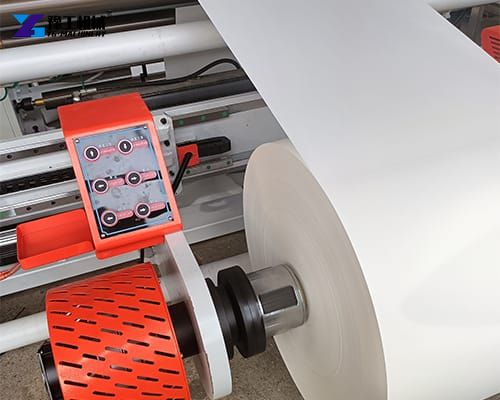
After slitting, each strip is wound onto its own core.
The goal is a roll that is tight, even, and stable, without excessive telescoping, loose edges, or wrinkles.
For packaging converters, consistent rewinding is just as important as accurate cutting.
Ask YG to Recommend the Right Cutting System
Key Features to Look for in a Slitter Rewinder Machine
When comparing machines, look beyond the advertised speed. The following features have a direct effect on daily production.
| Feature | Why It Matters |
|---|---|
| Tension control | Helps maintain stable roll quality |
| Web guiding | Reduces material misalignment |
| Precision blades | Produces cleaner slit edges |
| PLC control | Simplifies operation and parameter setting |
| Automatic counting | Helps control production length |
| Stable rewinding | Reduces loose or telescoping rolls |
| Adjustable slit width | Supports different customer orders |
| Safety protection | Reduces operating risks |
YG’s automatic models use PLC control, web guiding, tension regulation, and servo-driven blade positioning. The current range can reach 350 m/min, depending on the material and production conditions.
For a buyer, these functions matter because they can reduce setup errors and make repeated production orders easier to manage.
Slitting Machine for Sale: How to Choose the Right Model
Searching for a slitting machine for sale often produces many machines with similar-looking specifications. The better approach is to start with your actual production requirements.
Match the Machine to Your Material
First identify the material you will process.
Paper, BOPP film, PET, aluminum foil, and laminated film have different thickness, tension, and cutting requirements.
Before ordering, provide the manufacturer with the material type and thickness range. A machine designed mainly for paper may need a different configuration for thin film.
Check Working Width
Working width determines the maximum parent roll width.
YG’s current models include:
| Model | Max. Width | Max. Unwind Diameter | Max. Rewind Diameter | Speed |
|---|---|---|---|---|
| YG-1300 | 1,300 mm | 1,400 mm | 1,000 mm | ≤350 m/min |
| YG-1600 | 1,600 mm | 1,400 mm | 1,000 mm | ≤350 m/min |
| YG-1800 | 1,800 mm | 1,400 mm | 1,000 mm | ≤350 m/min |
The minimum listed slitting width is 30 mm. Power ranges from 24 kW to 30 kW across these three models.
Choose a working width based on your actual parent rolls, rather than automatically selecting the largest model.
Look at Real Production Speed
A machine rated at 350 m/min has a theoretical web travel of:
350 × 60 = 21,000 meters/hour
But this is not the same as finished-product output.
Real production is affected by roll loading, material changes, blade adjustment, web breaks, acceleration, deceleration, and other downtime.
For this reason, compare usable production speed, not only the maximum number shown on a specification sheet.
Request a Customized Slitting Machine Configuration

Slitter Rewinder Machine Applications in Flexible Packaging
A slitter rewinder is useful whenever wide material needs to be converted into narrower rolls.
Common applications include:
Food Packaging
BOPP, PET, PE, and laminated films can be slit into widths required for snack, food, and daily-use packaging.
Pharmaceutical Packaging
Packaging converters may process specialized films, paper, foil, and laminated structures into narrower rolls for subsequent printing or forming.
Labels and Release Materials
Self-adhesive materials and release liners require accurate width control and stable rewinding.
Paper Packaging
Kraft paper and coated paper can be divided into smaller rolls for bags, wrapping, printing, and other packaging processes.
YG reported a 2026 Russian kraft paper project using a YG-1600 machine. The customer needed to convert 1,600 mm parent rolls into 300 mm, 400 mm, and 500 mm finished rolls. The machine has a rated speed of up to 350 m/min, a 1,000 mm maximum rewind diameter, and 26 kW total power.
This case shows why width compatibility and finished-roll requirements should be confirmed before purchasing.
Slitter Rewinder Machine Specifications Buyers Should Confirm
Before requesting a quotation, prepare the following information:
- Material type
- Material thickness or GSM
- Maximum parent-roll width
- Maximum parent-roll diameter
- Required slit widths
- Core diameter
- Required finished-roll diameter
- Target production speed
- Daily or monthly output
- Available power supply
For example, if you need 300 mm, 400 mm, and 500 mm rolls from a 1,600 mm parent roll, tell the manufacturer these exact widths.
This allows the supplier to evaluate blade arrangement, material utilization, trim waste, and winding configuration before recommending a model.
Send Your Material and Roll Specifications to YG
How to Improve Results with a Slitter Rewinder Machine
Even a well-built machine needs the correct operating settings.
Keep Blades in Good Condition
Dull or damaged blades can create rough edges, dust, tearing, or inconsistent cuts. Inspect blades regularly and replace them when necessary.
Set Tension According to Material
Do not use the same tension setting for every material. Thin film may stretch under excessive tension, while heavier paper may require stronger control.
Check Web Alignment
Misalignment at the beginning of the process can become a significant width error after multiple meters of production.
Inspect Finished Rolls
Check:
- Roll hardness
- Edge straightness
- Roll width
- Telescoping
- Wrinkles
- Core alignment
Record Successful Settings
For repeat orders, save the successful speed, tension, blade arrangement, and rewind settings. This can reduce setup time when the same product is manufactured again.
Why Choose YG Slitter Rewinder Machine?
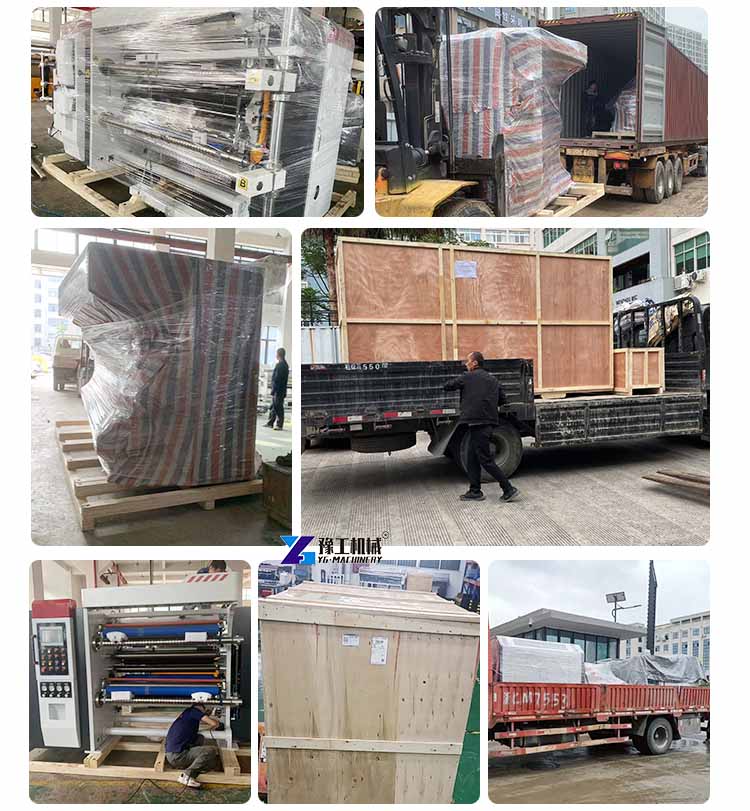
YG provides slitting and rewinding equipment for paper, film, foil, fabric, and other roll materials.
The current YG paper slitting series covers 1,300–1,800 mm working widths, with OEM customization available for different production requirements.
For overseas buyers, YG can help evaluate:
- Material compatibility
- Machine working width
- Cutting method
- Finished-roll requirements
- Tension-control configuration
- Production capacity
- Factory installation conditions
The goal is to select a configuration that matches the buyer’s actual production rather than simply selling the largest available machine.
Talk to a YG Slitting Machine Engineer
FAQ About Slitter Rewinder Machine
1. What materials can a Slitter Rewinder Machine process?
Depending on the machine configuration, it can process paper, BOPP, PET, PVC, aluminum foil, laminated materials, release paper, and label stock. Material thickness and mechanical properties should be confirmed before purchase.
2. What is the difference between slitting and rewinding?
Slitting divides one wide web into narrower strips. Rewinding winds those strips onto separate cores. A slitter rewinder performs both operations in one continuous production process.
3. How do I choose the right slitting width?
Start with your customer’s finished-roll requirements. Then check whether those widths can be efficiently arranged across your parent-roll width while keeping trim waste under control.
4. Is a higher machine speed always better?
Not necessarily. A higher rated speed only matters if your material can run reliably at that speed. For many buyers, stable tension, clean edges, low waste, and consistent roll quality are more important than maximum speed.
5. What information should I provide when requesting a quotation?
Provide your material, thickness, parent-roll width and diameter, required slit widths, core size, finished-roll diameter, expected output, and power supply. With these details, the manufacturer can recommend a more accurate configuration.