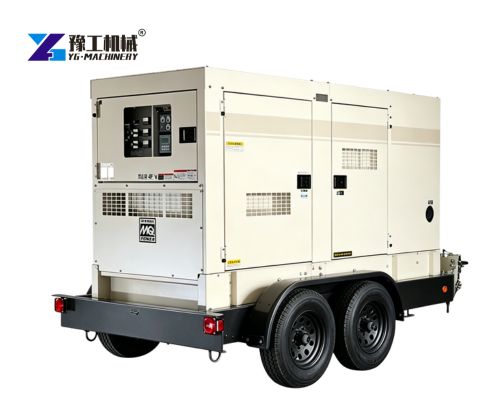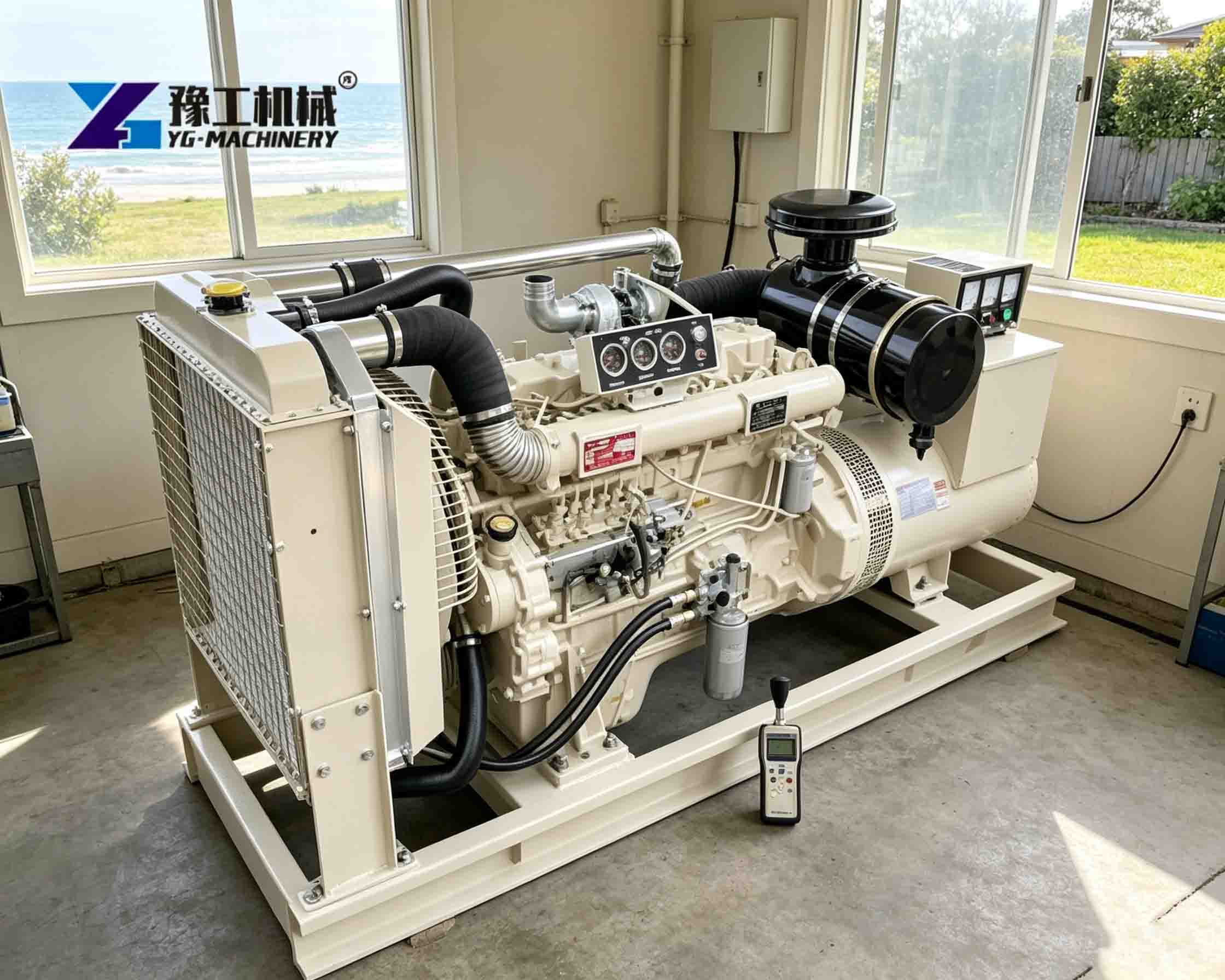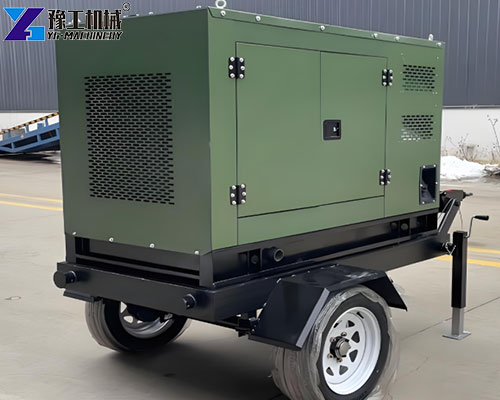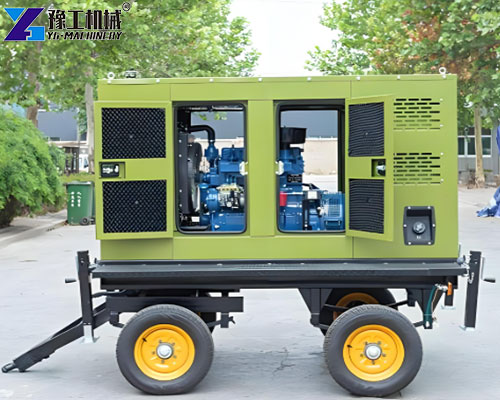
For procurement managers and project engineers, the search for small diesel generators for sale is not just about choosing a brand—it is about balancing power density, fuel logistics, and equipment lifecycle. When your project demands continuous uptime in environments where the grid is either unstable or nonexistent, the efficiency of your diesel unit becomes the foundation of your operational budget.
This guide focuses on the technical variables that define a high-performance generator, helping you cut through marketing noise to find the hardware that matches your specific site requirements.
Click Here To Discuss Your Project Requirements With Our Engineers
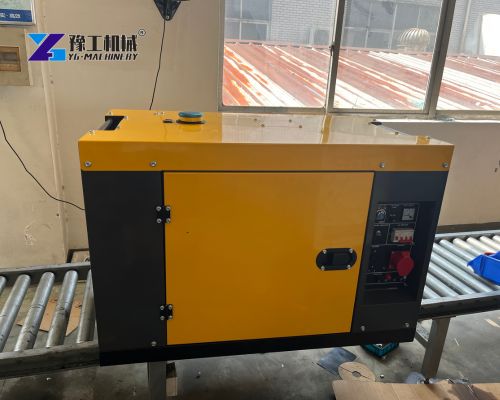
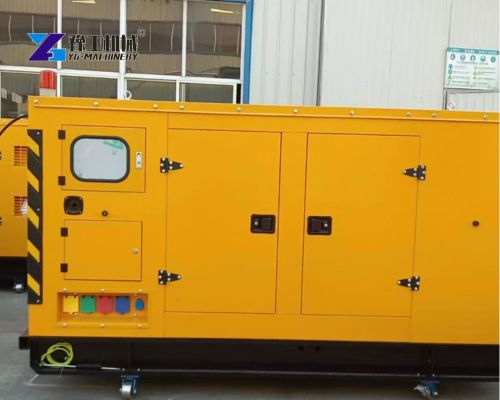
Small Diesel Generator Specifications
| Power | 10kw | 15kw | 20kw | 24kw |
| cylinders | 1 cylinder | 1 cylinder | 1 cylinder | 1 cylinder |
| voltage | 400/230V | 400/230V | 400/230V | 400/230V |
| Frequency Range | 50HZ | 50HZ | 50HZ | 50HZ |
| Rotating speed | 1500rpm | 1500rpm | 1500rpm | 1500rpm |
| Cylinder diameter *stroke (mm) | 115*115 | 115*115 | 125*120 | 130*120 |
| Rated current | 18A | 27A | 36A | 43.2A |
| Phase | Three-phase four-wire | Three-phase four-wire | Three-phase four-wire | Three-phase four-wire |
Why choose diesel over other energy sources for mobile power?
It comes down to thermal efficiency and power curves. A diesel engine generates higher torque at lower RPMs compared to gasoline engines.
For your operations, this means:
- Load Response: When heavy inductive loads (like motor-driven tools or HVAC systems) start up, a diesel generator handles the initial current surge without dropping frequency or voltage.
- Continuous Runtime: Diesel fuel has higher energy density, meaning smaller tanks can achieve longer runtimes, reducing the frequency of refueling intervals for your field team.
- Mechanical Simplicity: Modern, simplified injection systems on high-quality units reduce the number of electronic failure points, making them easier to field-repair.
Selection Criteria For A Diesel Portable Generator for Sale
When you are vetting a diesel portable generator for sale, the “portability” factor must be balanced with structural integrity. A portable generator that is too light often sacrifices the thickness of the frame and the quality of the alternator windings.
Look for these critical engineering specifications before you buy:
- Alternator Winding Material: Always prioritize 100% copper windings over aluminum. Copper offers superior thermal conductivity and longer lifespan under heavy load.
- AVR Accuracy: Check that the Automatic Voltage Regulator maintains stability within $\pm$ 5%. This is essential for protecting sensitive electronic testing equipment or office hardware.
- Frame Load Distribution: Ensure the generator’s center of gravity is low. A bottom-heavy design prevents tipping on uneven terrain, a common issue on active construction sites.
Click Here To Download Our Technical Data Sheet
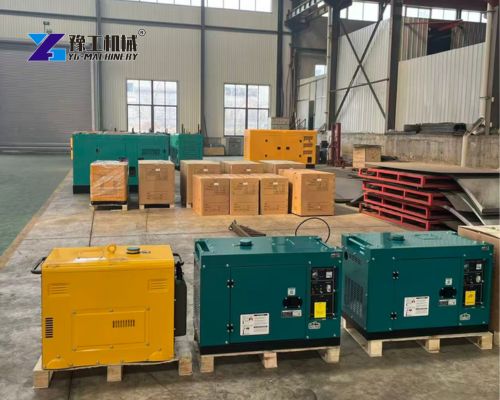
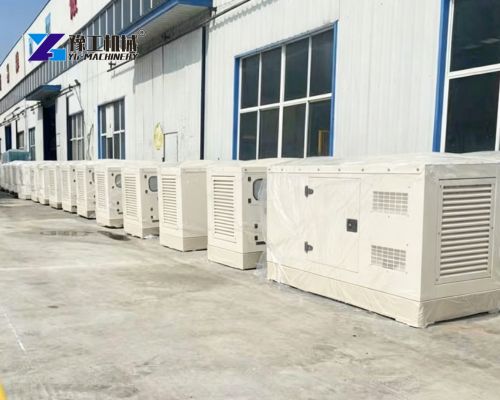
Evaluating Small Diesel Generators For Home Use
When transitioning small diesel generators for home use, the focus shifts from “raw power” to “ambient impact.” The challenge for homeowners is achieving silence without sacrificing the engine’s ability to “breathe” (ventilation).
Key integration factors for residential projects:
- Noise Attenuation: Look for multi-stage mufflers and sound-insulating foam density. An effective unit should operate below 75dB at a distance of 7 meters.
- Cold Start Capability: Ensure the model includes a pre-heat function or an efficient glow-plug system, which is vital for reliable starting in cooler climates.
- Auto-Transfer Capability: Consider if the generator has a terminal for an Automatic Transfer Switch (ATS). This allows the generator to take over automatically when the grid goes down, providing a hands-off experience.
Decoding Small Diesel Generator Prices And Total Cost Of Ownership
The mistake most buyers make is focusing solely on the purchase price. Small diesel generator prices are just the entry point. A truly “cost-effective” generator is one that minimizes Total Cost of Ownership (TCO).
Focus your financial analysis on these three areas:
- Maintenance Interval (MTBF): How many hours can the engine run before needing an oil change? A unit that requires maintenance every 100 hours is much more expensive to operate than one that runs for 250 hours.
- Part Standardization: Are the filters (oil, air, fuel) standard sizes available in your local market? Proprietary parts can triple your long-term maintenance costs.
- Fuel Consumption Rate: Calculate the specific fuel consumption (g/kWh). A difference of even 10% in fuel efficiency can result in thousands of dollars in savings over the generator’s 5,000+ hour lifespan.
Click Here To Get A Custom Quote Based On Your Application
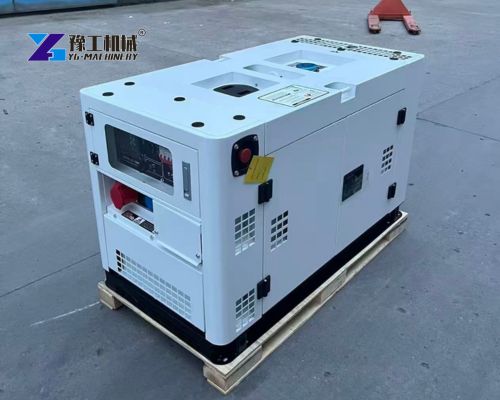
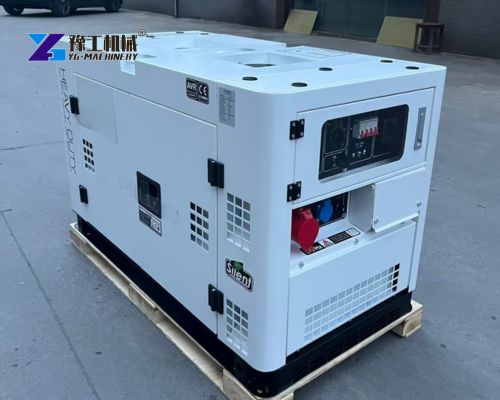
Engineering Best Practices For Longevity
A generator is a high-precision mechanical system. Treat it as such, and it will return the favor with years of reliable output.
Follow these engineering standards:
- Load Shedding: Never run a diesel generator at less than 30% of its rated capacity for long periods. Low-load operation causes “wet stacking,” where unburnt fuel accumulates in the exhaust system.
- Cooling System Hygiene: Ensure the cooling fan path is free of dust. Overheating is the primary cause of stator insulation failure.
- Storage Protocols: If the unit will be stored for more than 30 days, treat the fuel with a stabilizer to prevent algae growth and pump clogging.