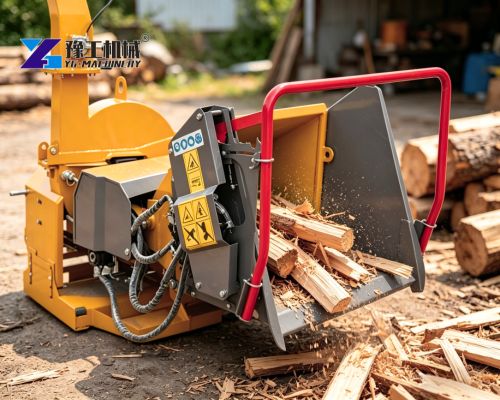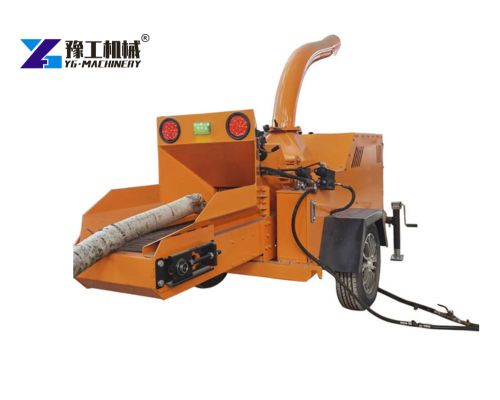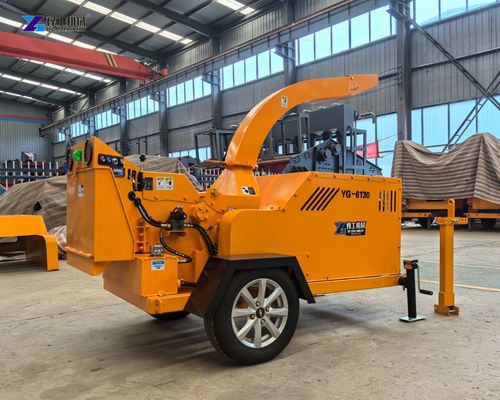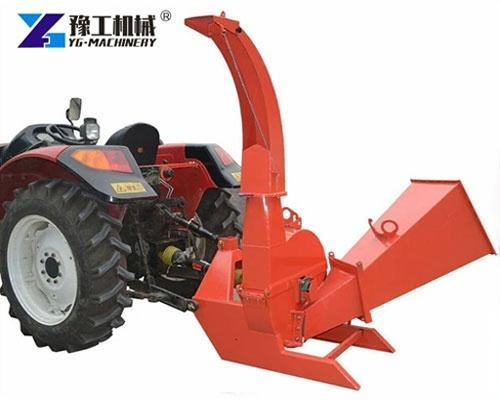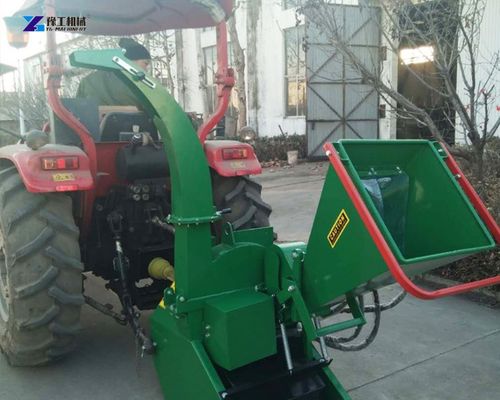
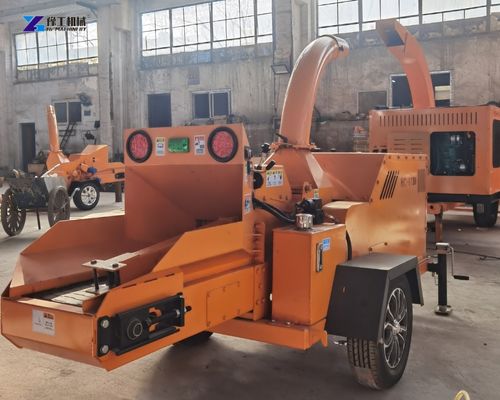
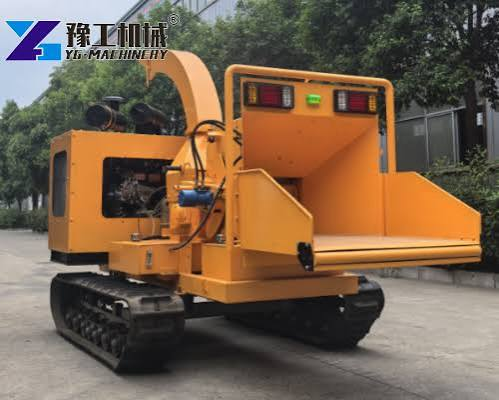
A brush wood chipper is a machine that turns tree branches, brush, and yard waste into small wood chips. It uses sharp blades to cut and grind the material. This equipment is commonly used for landscaping, property maintenance, and storm cleanup. The chips produced can be used for garden mulch, walking paths, or composting. If you need to clean up your property efficiently, contact YG for more product information.

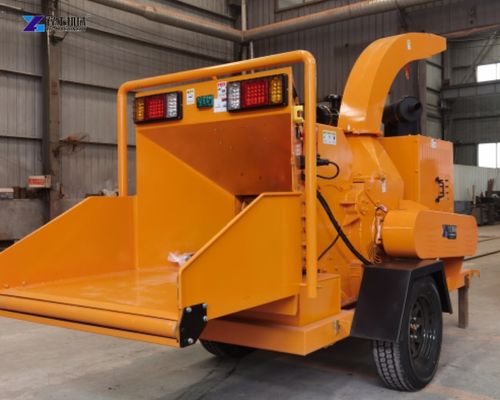
YG Brush Wood Chipper Parameters-OEM Support
Understanding the specifications helps you choose the right machine for your needs. Here are typical parameters to check:
| Model | YG-6130 | YG-6145 |
| Motor Type | Diesel motor, electric start | Diesel motor, electric start |
| Capacity | 2 tons/hour | 5 tons/hour |
| Dimensions | L2300*W1300*H1800 | L3200*W1700*H2400mm |
| Knife Roller Diameter | 300 mm | 500 mm |
| Equipped with power | 23.6KW diesel engine | 75KW (102 hp) diesel engine |
| Host speed | 2600r/min | 2500r/min |
| Number of blades | 4 moving knives, 1 stationary knife | 4 moving knives, 1 stationary knife |
| Maximum broken branch diameter | 130mm | 250mm |
| Feed throat size mm | 300*180 | 450*380 |
| Outlet direction | The 360-degree quick adjustment device | 360-degree quick adjustment device, outlet angle adjustment, outlet nozzle, height adjustment |
These numbers affect what the machine can handle. A larger engine processes thicker branches. Bigger wheels make it easier to move across rough ground. Choose based on your typical yard waste size.
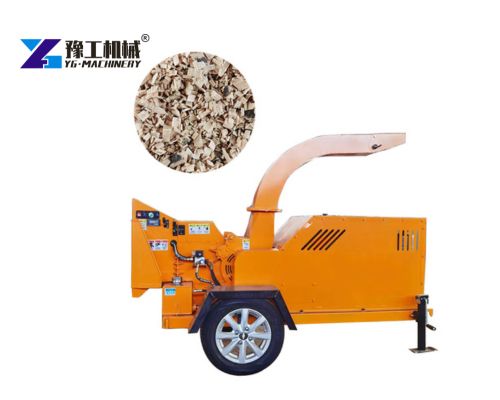
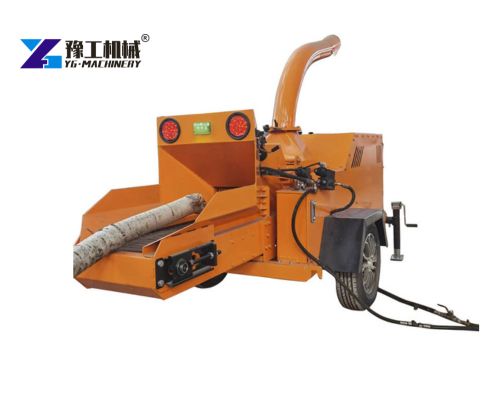
Best Small Wood Chipper Applications
A garden shredder wood chipper can be used in many settings. Here are the most common uses:
Residential Yard Cleanup
Homeowners use brush wood chippers to clear fallen branches after storms. They also prune trees and shrubs regularly. Chipping the waste creates mulch for flower beds.
Landscaping and Gardening
Landscapers use wood chippers on job sites. They clean up after tree trimming and create mulch for their clients. This saves the cost of buying mulch from suppliers.
Farm and Ranch Use
Farmers maintain shelterbelts and fence lines. A brush wood chipper handles the branches and brush easily. The chips can be used for animal bedding or compost.
Commercial Tree Care
Tree service companies use larger brush wood chippers daily. They remove trees and process the branches on site. This saves trips to the dump and reduces disposal costs.
Municipal Maintenance
Cities use brush wood chippers for park maintenance and road clearing. They also use them after storms to clear fallen trees from public areas.
Choosing the Best Small Wood Chipper
When looking for the best small wood chipper for your needs, consider these factors:
Material Size
What size branches do you usually deal with? A 3-inch capacity machine handles most residential debris. For farm or commercial work, choose a 6-inch or larger model. Processing bigger material requires more power.
Power Source
Gas engines are common and powerful. They are good for remote locations without electricity. Electric models are quieter and require less maintenance. Diesel engines are more fuel-efficient for heavy use.
Portability
How will you move the machine around? Smaller units have wheels and can be moved by hand. Larger models need to be towed behind a vehicle. Consider your storage space too.
Frequency of Use
For occasional home use, a smaller engine is fine. For daily commercial work, invest in a larger, more durable machine. The initial cost is higher but saves money in the long run.
Budget
Prices range from $600 for basic models to over $10,000 for commercial units. Set a budget that matches your needs. Remember that quality machines last longer and need fewer repairs.
Ask yourself: What is my typical project size? How often will I use the machine? Where will I store it? Answer these questions to make the right choice.
Operating Cost Breakdown
Knowing the costs helps you budget for your brush wood chipper. Here is a typical breakdown:
Fuel Costs
Gas engines use about 0.5-1 gallon per hour. At current prices, this is roughly $2-4 per hour. Larger engines use more fuel. Diesel engines are more efficient per hour of operation.
Maintenance Costs
Regular maintenance includes oil changes, blade sharpening, and filter replacements. Plan for $100-300 per year for a small machine. Commercial units cost more to maintain but are built for heavy use.
Blade Replacement
Blades dull over time. Replacing them costs $50-150 per set, depending on the model. Dull blades reduce performance and can damage the machine. Sharpen blades regularly to extend their life.
Labor Costs
One person can run the machine. Labor cost depends on your region. For a full day of work, this is a significant but controllable expense.
Cost Per Hour
Total operating cost is about $5-15 per hour for a small machine. This includes fuel, maintenance, and blade wear. Larger machines cost more but process material faster.
Safety Tips for Using a Brush Wood Chipper
Safety is important when using any brush wood chipper. Follow these simple rules:
- Wear safety glasses and hearing protection.
- Keep hands and feet away from the infeed hopper.
- Do not wear loose clothing or jewelry that could get caught.
- Use a push stick for short branches.
- Never feed material that is too large for the machine.
- Shut off the engine before clearing jams.
- Keep the work area clear of bystanders, especially children.
A safe operator works faster and avoids injuries. Take the time to learn proper operation before starting.
Common Problems and Solutions
| Problem | Possible Cause | Solution |
| Engine won’t start | Low fuel or bad spark plug | Check fuel level; replace spark plug |
| Chips are large or uneven | Dull blades | Sharpen or replace blades |
| Material not feeding | Feed rollers slipping | Check roller tension; clean debris |
| Engine bogs down | Feeding too fast or wet material | Slow down; let engine recover |
| Chute clogs | Wet or green material | Run drier material to clear jam |
Regular inspection prevents most issues. Keep spare blades and spark plugs on hand. For persistent problems, contact YG for support.
Request YG Brush Wood Model and Price
YG Brush Wood Chipper Real-World Usage Case
Homeowner Example
A homeowner with a large yard buys a brush wood chipper. He prunes trees each spring. The machine turns the branches into mulch. He saves $200 per year on bought mulch. The machine pays for itself in three years.
Landscaper Example
A landscaping company adds a garden shredder wood chipper to their trailer. They use it on every job. Cleaning up takes less time. They sell the chips to clients as mulch. The machine generates extra income.
Farmer Example
A farmer clears fence lines each fall. The brush wood chipper processes the branches quickly. The chips go into the compost pile. The compost improves the soil in the fields.
Frequently Asked Questions
Q1: What size branches can this machine handle?
Small models handle branches up to 3 inches in diameter. Larger commercial machines can handle up to 6 inches or more. Check the specifications for your model.
Q2: Can I chip wet or green wood?
Yes, but dry wood chips better. Wet or green wood can clog the chute. Mix dry material with wet to keep the machine running smoothly.
Q3: How often do I need to sharpen the blades?
It depends on usage. For occasional home use, sharpen once a year. For commercial use, check every week. Dull blades produce large, uneven chips.
Q4: Is the machine easy to move around?
Most small units have wheels and are easy to move by hand. Larger models are towable. Choose a model that fits your mobility needs.
Q5: What is the warranty on YG machines?
YG offers a 1-year warranty on core components. We also provide spare parts and technical support. Contact us for specific warranty details.