The global demand for decentralized water sources is skyrocketing. Whether for agricultural irrigation, domestic use, or remote industrial sites, choosing the right equipment is the difference between a profitable operation and a logistical nightmare. Should you go small and agile, or large and powerful? This comprehensive guide breaks down the technical specifications, operational costs, and ideal use cases for both small and large water well drilling rigs.
Small vs. Large Water Well Drilling Rigs
Before diving into the “which,” we must define the “what.” While both machines serve the same end goal—accessing groundwater—their engineering philosophies are worlds apart.
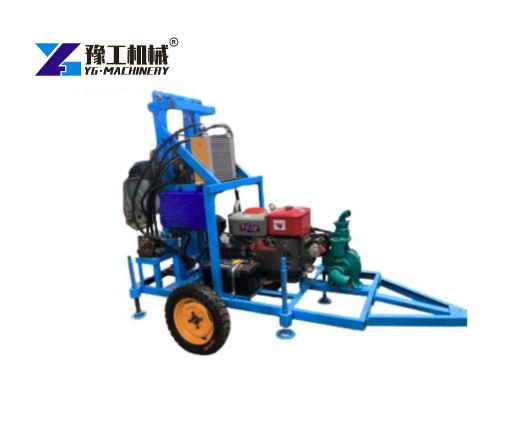
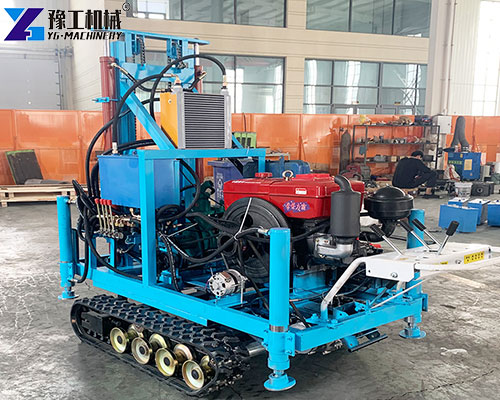
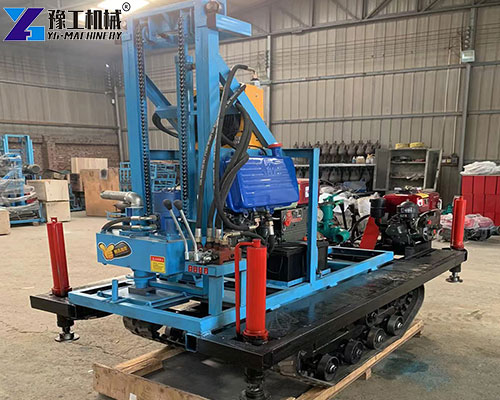
Small Water Well Drilling Rigs
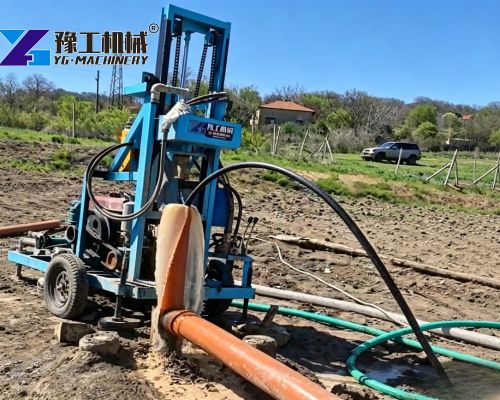
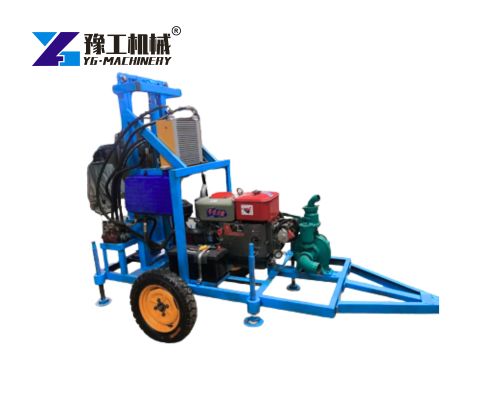
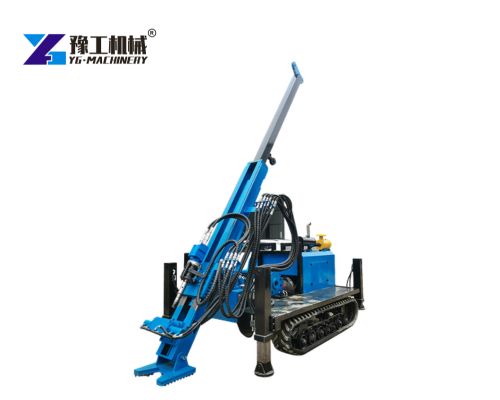
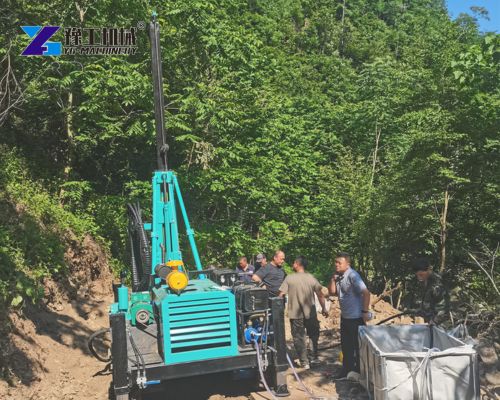
Small water drilling rigs often referred to as “portable” or “compact” rigs, these machines are designed for accessibility. They typically utilize rubber tracks or trailer mounts and are engineered to navigate tight residential gates or rugged, narrow mountain paths.
- Drilling Depth: Generally up to 100–150 meters.
- Power Source: Often powered by compact diesel engines or even electric motors for indoor/basement use.
- Method: Frequently use mud circulation or simple DTH (Down-the-Hole) hammers.
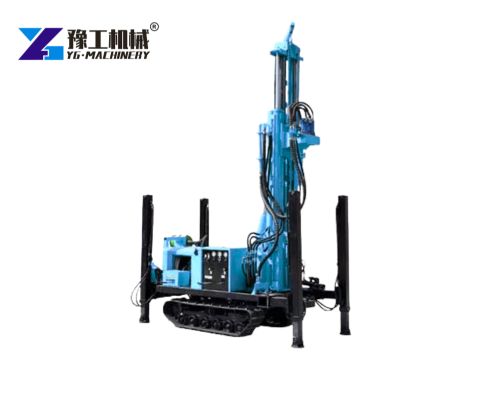
Large Water Well Drilling Rigs
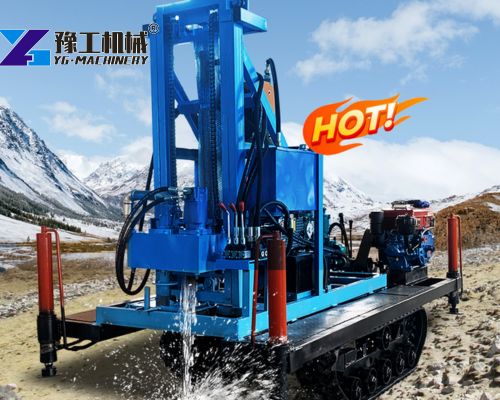
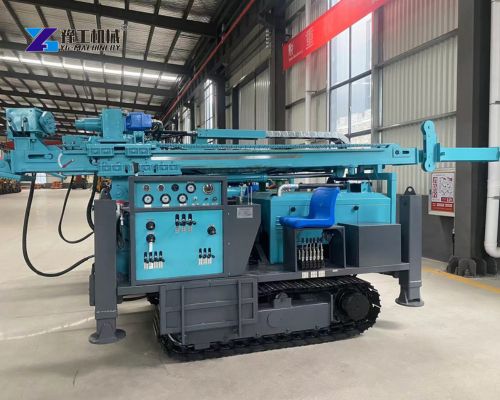
Large water drilling rigs are the titans of the industry. Usually truck-mounted or heavy-duty crawler-based, these rigs are built for high-torque, deep-bore applications in challenging geological strata.
- Drilling Depth: Can easily exceed 300–600 meters.
- Power Source: High-horsepower turbocharged diesel engines.
- Method: Advanced air compressor integration, heavy-duty mud pumps, and telescopic masts.
Deep Dive: Comparison of Key Factors
| Feature | Small Drilling Rigs | Large Drilling Rigs |
| Mobility | High (can fit through a standard yard gate) | Low (requires wide roads/permits) |
| Setup Time | 30–60 Minutes | 3–6 Hours |
| Labor Requirement | 1–2 Operators | 3–5 Skilled Technicians |
| Drilling Depth | Typically 10 – 120m | 200-1000m |
Why Small Water Well Drilling Rigs are Perfect for Residential Projects
As a manufacturer specializing in compact units, we’ve seen a massive shift toward “micro-drilling.” Here is why small rigs are dominating the domestic market:
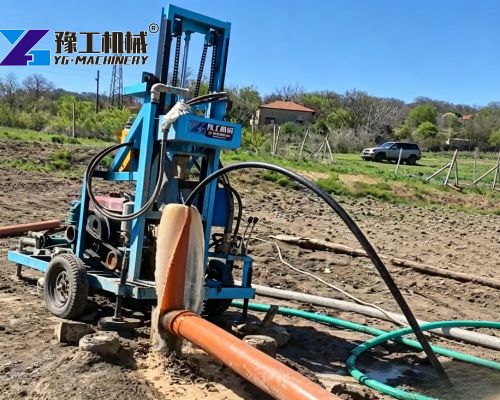
Related Case:Small Water Well Drilling Rigs for Sale in Bulgaria
Accessibility and Footprint
Large rigs require a massive “swing radius” and stabilized leveling. A small rig can be tucked into a backyard, a narrow alleyway, or a greenhouse without destroying the surrounding landscape or requiring the removal of fences.
Lower Operational Overhead
Small rigs consume significantly less fuel. Furthermore, the Consumables ROI (drill pipes, bits, and mud additives) is much higher for shallow wells. For a contractor starting a business, a small rig offers a faster path to debt-free operation.
Simple Logistics
You don’t need a heavy-duty CDL (Commercial Driver’s License) or a multi-axle trailer to transport a small rig. A standard pickup truck or a small flatbed is often sufficient, reducing transportation insurance and fuel costs.
When to Choose Large Water Well Drilling Rigs
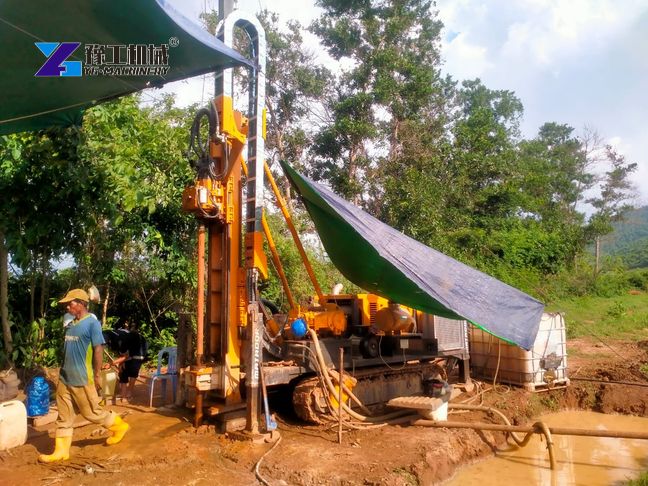
- Drilling through hard rock formations: When working with solid granite, basalt, or highly compacted strata, large rigs provide the necessary torque, weight, and pull-down force to keep the bit advancing efficiently.
- Reaching deep aquifers (300m+): Small rigs lack the winch capacity and lifting power to safely handle hundreds of meters of heavy steel drill pipe in deep boreholes.
- Constructing high-volume commercial wells: For city water supplies or large-scale industrial farms, large rigs can drill wide-diameter boreholes to accommodate high-capacity submersible pumps.
- Conducting mineral/geotechnical exploration: Full hydraulic core rigs are purpose-built for precise wireline coring, delivering continuous, high-quality samples for geological analysis.
ROI Analysis: Water Well Drilling Rig Costs and Profitability
When choosing a rig, don’t just look at the sticker price; look at the Cost Per Meter (CPM).
- Small Rigs: Low entry barrier. Ideal for “High-Frequency, Low-Depth” jobs. You can complete three 50-meter wells in the time it takes a large rig to simply set up and tear down.
- Large Rigs: High entry barrier. Ideal for “Low-Frequency, High-Value” jobs. While the setup is slow, the revenue from a single 400-meter deep-rock well can equal ten smaller jobs.
Geological Considerations
The soil doesn’t care about your budget.
- Soft Soil/Sand/Clay: Small rigs with mud pumps thrive here.
- Mixed Gravel/Pebbles: Both can struggle, but the higher torque of a large rig helps prevent the bit from getting “stuck” in collapsing gravel.
- Hard Rock: Large rigs using high-pressure air compressors (DTH drilling) are the gold standard.
Ready to Pick the Right Rig for Your Project?
Choosing between a small and large water well drilling rig doesn’t have to be complicated—and you don’t have to decide alone. At YG Machinery, our goal is simple: to help you choose the right rig to maximize efficiency, minimize costs, and get your project done right the first time. From quick-setup small water well drilling rigs to heavy-duty hydraulic core rigs built for the toughest terrain, every piece of equipment we offer is engineered for reliability. Send us your project requirements now, and let our specialists help you pick the perfect rig for your water well or exploration needs.