
In the construction industry, efficiency, precision, and cost control determine whether a project finishes on time and on budget. Among the many pieces of equipment that shape a job site, the concrete pump has become one of the most valuable investments a contractor can make. Whether you run a small residential building company or a large-scale commercial operation, owning a concrete pump instead of renting one can transform the way you work.
This article breaks down the key benefits of owning a mini concrete pump, from faster placement and lower labor costs to better quality finishes and long-term profitability.
Get a Mini Concrete Pump Quote
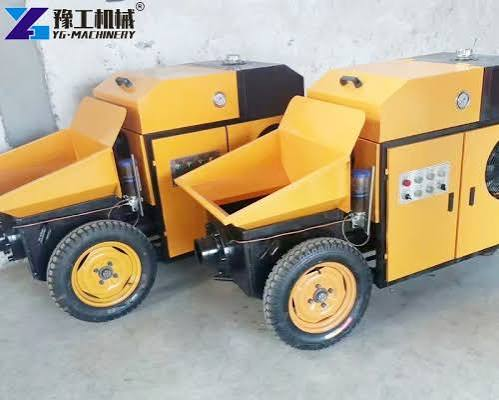
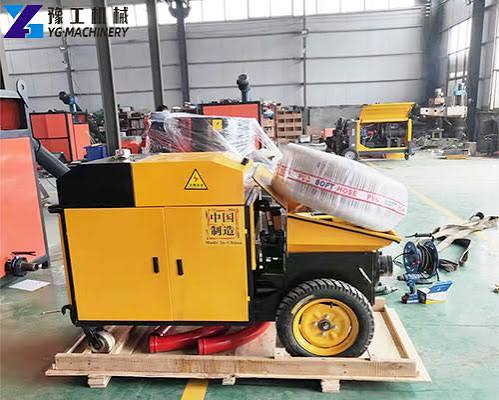
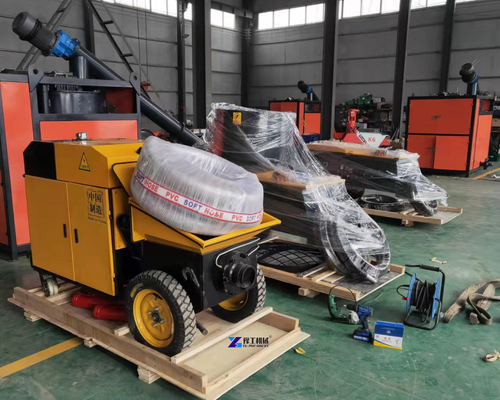
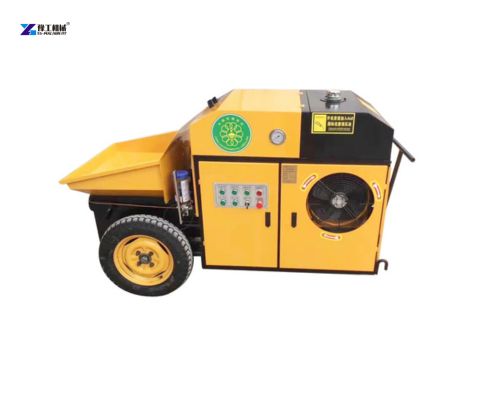
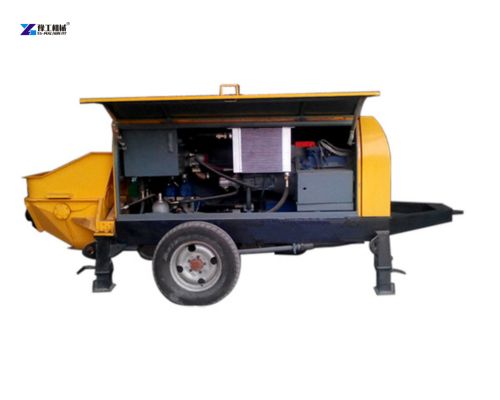
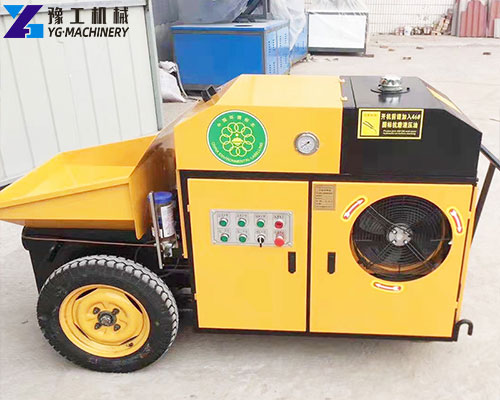
YG Small Concrete Pump Specifications
Here are our standard models. Every unit ships with electric or diesel engine options.
| Model | YG-10 | YG-20 | YG-30 | YG-40 |
| Engine | Electric/Diesel | Electric/Diesel | Electric/Diesel | Electric/Diesel |
| Power | 15kw | 22kw | 37kw | 45kw |
| Max. aggregate size | 15mm | 20mm | 30mm | 40mm |
| Conveying Capacity | 6m³/h | 10-15m³/h | 15-30m³/h | 30-40m³/h |
| Horizontal conveying distance | 100-120m | 100-120m | 150-200m | 200-350m |
| Vertical conveying distance | 20-50m | 50-60m | 80-100m | 120-140m |
| Pipe diameter | 80-100mm | 80-100mm | 80-100-125mm | 80-100-125mm |
| Outlet diameter | 80mm | 100mm | 125mm | 125-150mm |
| Material tank diameter | 100mm | 120mm | 140-160mm | 160-180mm |
| Dimension | 1.8×0.7×1.1m | 2.8×1.1×1.3m | 4*1.4*1.5m | 4*1.5*1.5m |
| Weight | 600kg | 900kg | 1800kg | 2500kg |
Get a Mini Concrete Pump Quote
1. Dramatically Faster Concrete Placement
The most obvious advantage of a mini concrete pump is speed. Manual concrete placement using wheelbarrows and chutes is slow, labor-intensive, and limited by how far workers can physically move material. A concrete pump, by contrast, can move large volumes of concrete quickly and continuously.
- Boom pumps can reach over 30 meters and place concrete directly where it is needed.
- Trailer pumps can push concrete hundreds of meters horizontally through pipelines.
- Line pumps are ideal for smaller residential jobs and tight access areas.
For a typical foundation, slab, or multi-story pour, a pump can cut placement time by 50% or more. That saved time translates directly into lower labor costs and the ability to take on more projects each month.
2. Significant Labor Cost Savings
Concrete work is one of the most labor-heavy phases of construction. Without a pump, you may need a large crew of workers to move, pour, and spread concrete. With a pump, a much smaller team can handle the same volume.
Typical labor savings include:
- Fewer workers needed for placement and spreading
- Less overtime during large pours
- Reduced need for temporary chutes, buggies, and conveyor systems
- Faster cleanup after the pour
Over the course of a year, these savings can easily cover the cost of the machine itself, especially for contractors who pour concrete regularly.
Get a Mini Concrete Pump Quote
3. Better Concrete Quality and Consistency
A mini concrete pump delivers material in a steady, controlled flow. This consistency helps prevent cold joints, segregation, and uneven curing. Because the concrete is placed continuously, the finished surface is more uniform and structurally reliable.
Key quality benefits include:
- Consistent mix delivery — no stopping and starting that weakens the pour
- Reduced segregation — aggregate stays evenly distributed
- Better compaction — continuous flow reduces air pockets
- Smoother finishes — less manual spreading and leveling
For projects that require high-strength or architectural concrete, this level of control is essential.
4. Access to Hard-to-Reach Areas
One of the biggest advantages of mini concrete pumps is their ability to place concrete in locations that would otherwise be extremely difficult or impossible to reach.
Examples include:
- High-rise floors and elevated decks
- Basements and underground structures
- Areas behind buildings or in tight urban lots
- Tunnels, bridges, and infrastructure projects
- Sites with limited truck access
Boom pumps and line pumps eliminate the need for ramps, cranes, and temporary conveyors, reducing both cost and risk on complex job sites.
5. Reduced Material Waste
When concrete is moved manually, spills, over-pouring, and leftover material are common. A pump delivers concrete precisely where it is needed, which reduces waste and keeps the site cleaner.
Less waste means:
- Lower material costs
- Less cleanup labor
- Fewer disposal fees
- A safer, more organized job site
On large projects, even a small reduction in waste can represent significant savings.
6. Improved Safety on the Job Site
Concrete placement is physically demanding and carries real safety risks. Workers moving heavy wheelbarrows, operating chutes, or handling hoses are exposed to strains, slips, and accidents. A pump reduces the number of workers needed in dangerous positions and minimizes manual handling.
Safety benefits include:
- Fewer workers exposed to heavy lifting
- Less risk of slips and falls from wet concrete
- Reduced fatigue during long pours
- Better control of concrete flow and placement
A safer site also means fewer delays, lower insurance claims, and better morale.
7. Greater Scheduling Flexibility
When you rent a mini concrete pump, you are tied to the rental company’s availability. During peak construction season, pumps may be booked out for days or weeks, forcing you to delay pours or reschedule entire projects.
Owning a pump gives you full control over your schedule. You can:
- Pour when the weather and site conditions are right
- Respond quickly to urgent or emergency jobs
- Avoid rental wait times during busy periods
- Coordinate multiple pours without depending on outside vendors
This flexibility is a major competitive advantage, especially for contractors who want to grow their business.
Get a Mini Concrete Pump Quote

8. Long-Term Cost Efficiency
Although the upfront cost of a mini concrete pump is significant, the long-term economics often favor ownership. Consider the following:
- Rental fees add up quickly on repeated projects
- Owned equipment builds equity instead of disappearing as an expense
- Maintenance costs are predictable and controllable
- The pump can be used across many jobs and even rented out to others
For contractors who pour concrete regularly, the break-even point often arrives within a few years. After that, every pour becomes more profitable.
9. Business Growth and Competitive Edge
Owning a mini concrete pump allows you to bid on larger and more complex projects. Many general contractors prefer to work with subcontractors who have their own equipment, because it reduces scheduling risk and demonstrates professionalism.
A concrete pump can help you:
- Take on bigger pours and higher-value contracts
- Offer faster turnaround times
- Expand into new markets such as infrastructure or high-rise work
- Build a reputation for reliability and efficiency
In competitive bidding situations, the ability to self-perform concrete placement can be the difference between winning and losing a job.
10. Versatility Across Many Project Types
Modern concrete pumps are available in a range of sizes and configurations, making them suitable for almost any application.
Common uses include:
- Residential foundations, slabs, and driveways
- Commercial buildings and parking structures
- Bridges, tunnels, and dams
- Industrial floors and warehouses
- Swimming pools and decorative concrete
With the right pump and accessories, one machine can serve many different project types, maximizing your return on investment.
Get a Mini Concrete Pump Quote

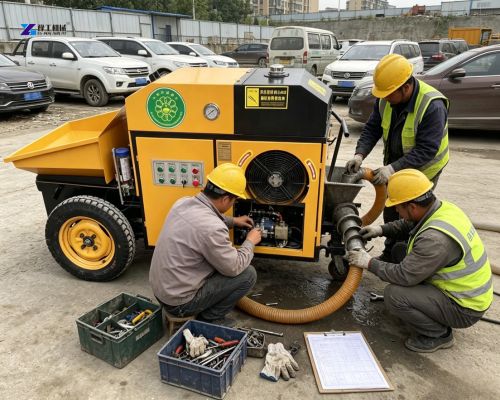
Mini Concrete Pump for Sale-YG Machinery
Owning a concrete pump is more than a equipment purchase — it is a strategic investment in your company’s efficiency, safety, and profitability. From faster placement and lower labor costs to better quality, greater scheduling control, and the ability to take on bigger projects, the benefits touch every part of a construction business.
For contractors who pour concrete regularly, the question is not whether a concrete pump pays for itself, but how quickly it can start paying you back.
If you are ready to explore concrete pump options for your business, contact a reputable manufacturer or dealer to discuss the right model, capacity, and configuration for your projects.